Creating Plant-Based Meat Alternatives: The Science Behind the Texture and Taste
Plant-based meat alternatives require careful selection of ingredients and advanced processing techniques to replicate the texture and flavor of traditional meat.

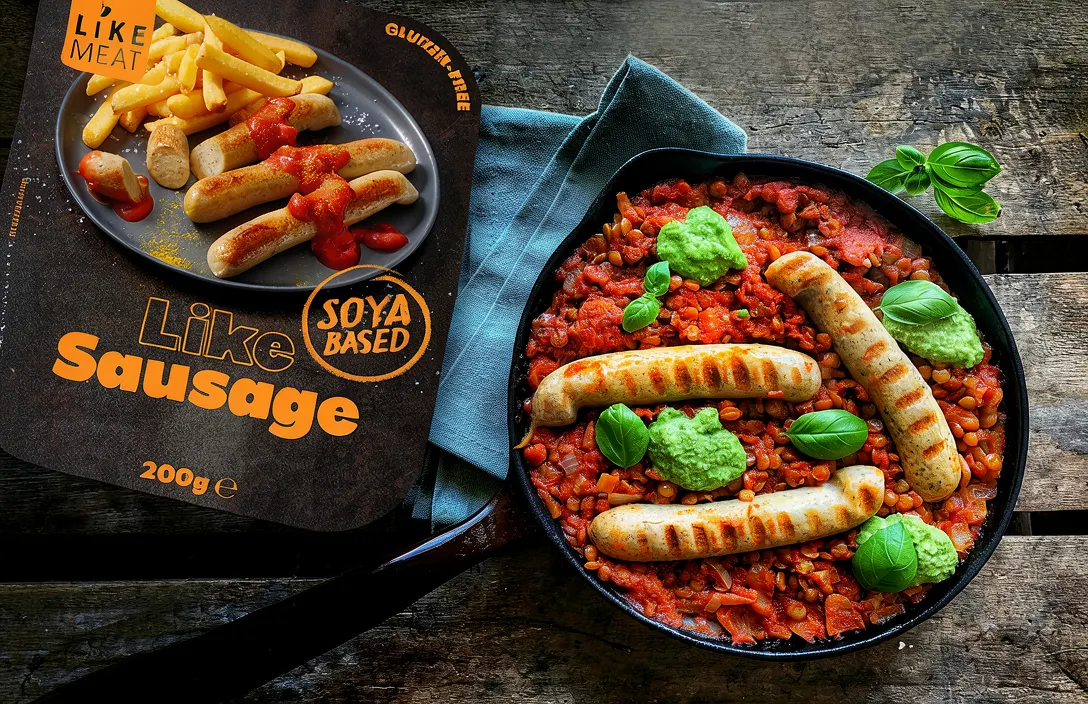

Plant-based meat alternatives have become a significant part of the food industry, driven by sustainability concerns and the need for alternative protein sources. According to a life-cycle assessment, plant-based patties had a 77% lower climate impact than Brazilian beef patties, although the results varied depending on production systems and environmental measures considered (Evidence 1). This highlights the environmental benefits of plant-based alternatives, but also underscores the complexity of their development. [1]
Creating plant-based meat alternatives involves more than simply replacing animal protein with plant protein. Plants such as soybeans, peas, and wheat contain proteins that can be extracted and used in food products, but they behave differently during processing. Some plant proteins absorb more water, while others bind fat or form structures that hold ingredients together (Evidence 1). These properties influence the texture of the final product, making it crucial to understand how plant proteins behave during processing. [1]
To replicate the texture of meat, food scientists use techniques such as extrusion, which involves mixing protein-rich ingredients with water and applying heat and pressure to create fibrous structures resembling meat. High-moisture extrusion, in particular, produces fibrous products with a more meatlike texture (Evidence 1). These methods help align plant proteins into structures that mimic the firmness and chewiness of traditional meat, although achieving the desired texture remains a challenge. [1]
Flavor is another critical factor in making convincing plant-based meat alternatives. Fat contributes to juiciness and carries flavor compounds, while heating creates familiar roasted and savory aromas. Manufacturers often add fats, starches, flavorings, and other ingredients to improve the eating experience (Evidence 1). Small changes in formulation or processing can significantly affect the final product’s texture, moisture retention, and overall appeal. [1]
Advertisement
Making convincing plant-based meat alternatives involves more than just replacing animal protein with plant protein. Food scientists use techniques such as extrusion, which involves mixing protein-rich ingredients with water and applying heat and pressure to create fibrous structures resembling meat. This process helps organize proteins into structures that more closely resemble muscle, a key component of meat texture. According to a report from Medical Xpress, this method is widely used in the development of plant-based meat alternatives (Source ID: 1). [1]
Flavor is another critical factor in making convincing plant-based meat alternatives. Fat adds juiciness and carries flavor compounds, while heating creates familiar roasted and savory aromas. A convincing meat alternative must bring together the right ingredients and processing conditions to reproduce these qualities. Medical Xpress notes that flavor matters significantly in the development of plant-based meat alternatives, as it contributes to the overall eating experience (Source ID: 1). [1]
Researchers are also exploring new methods such as 3D food printing to create plant-based meat alternatives. This technique allows for precise control over the arrangement of ingredients, potentially leading to more realistic textures and structures. Medical Xpress highlights that recent research on the 3D printing of plant-protein-based meat analogs shows how formulation and printing conditions influence the final product's accuracy and structure (Source ID: 1). [1]
Plant-based meat alternatives require more than simply replacing animal protein with plant protein. Food scientists use techniques such as extrusion to create fibrous structures that resemble meat. This process involves mixing protein-rich ingredients with water and applying heat and pressure to form structures that mimic the texture of animal muscle. According to a study from Medical Xpress, extrusion helps unfold proteins and organize them into aligned, fibrous structures similar to those found in meat (source ID: 1). [1]
Advertisement
Flavor is a critical factor in making convincing plant-based meat alternatives. Fat contributes to juiciness and carries flavor compounds, while heating produces familiar roasted and savory aromas. Medical Xpress highlights that achieving the right flavor profile involves careful selection and processing of ingredients to replicate the sensory experience of eating meat (source ID: 1). [1]
Researchers are exploring innovative methods such as 3D food printing to create plant-based meat alternatives with precise textures and structures. This technique allows for the layer-by-layer deposition of edible materials according to a digital design, enabling the controlled arrangement of ingredients. Medical Xpress notes that developing the right formulation for 3D printing is challenging, as the material must be fluid enough to print but still firm enough to retain its shape (source ID: 1). [1]
Sources
Prepared with AI assistance from the cited sources.
The Cali Reporter newsletter
The stories worth your time.
California, the country, and what comes next. Join our free newsletter for reporting that keeps you informed.
More in Health & Medicine
- Understanding Fascia and the Evidence Behind Fascia Release
Fascia is a connective tissue that plays a structural role in the human body, but evidence supporting specific exercises or tools for 'fascia release' remains limited.
- Antidepressant Effectiveness and Long-Term Use
A new review suggests that some antidepressants may be more effective than others in helping people manage depression symptoms over the long term, according to a study published in The Lancet Psychiatry.
- Experimental Weight-Loss Drug Shows Promise for Knee Osteoarthritis Pain
A new study suggests that an experimental weight-loss drug, retatrutide, may significantly reduce knee pain in people with osteoarthritis and obesity.