Coyote Creek Cleanup Tests a Bay Area Nonprofit's Regional Case
A first San Jose cleanup reported 4,000 pounds removed and 30 volunteers; the nonprofit's leader urges shared responsibility, while expansion and outcome data remain unresolved.

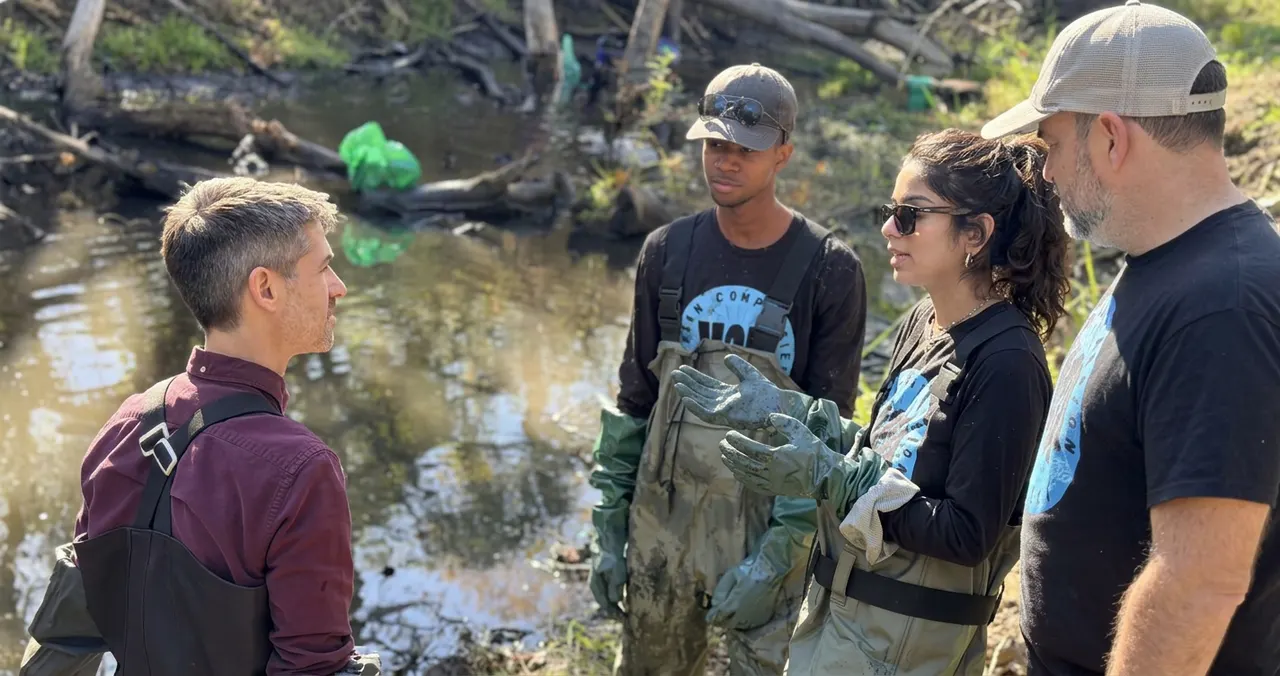
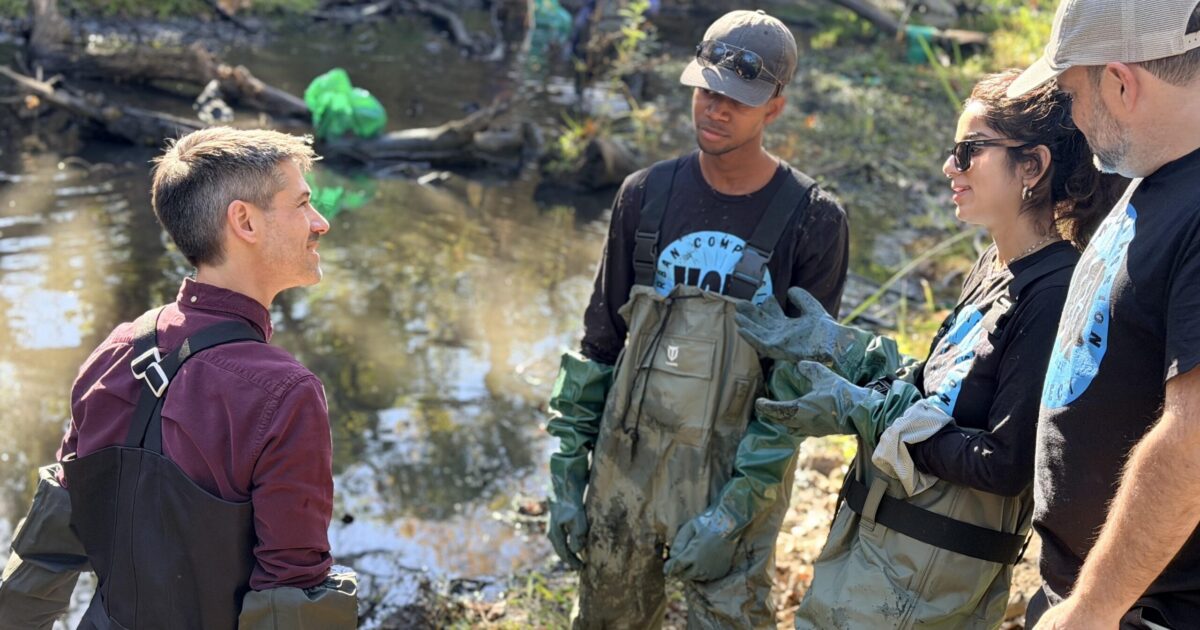
The Urban Compassion Project held its first San Jose cleanup on Nov. 7, 2026, according to an account by its executive director, Supriya Golas, published by San Jose Spotlight. The account reports that 30 volunteers wearing bright blue vests removed 4,000 pounds of dumped material from Coyote Creek. It says San Jose Mayor Matt Mahan spoke with Golas and UCP team members at the site, and that the Coyote Mudlarks and San Jose Conservation Corps welcomed the volunteers. Those details come from the organization's leader; the supplied evidence contains no independent audit or separately reported assessment. [1]
Golas writes that the crew used ropes on a steep, slick slope to reach the creek and pull out shopping carts, car jacks and refrigerators. She puts the work at three hours. In her telling, the event was meaningful partly because volunteers served a city they did not call home. The account uses that detail to argue that municipal borders do not contain shared problems or shared duties. [1]
The most concrete figures are 30 volunteers, three hours and 4,000 pounds. A snapshot, however, is not a trend. The supplied account does not say whether UCP plans another Coyote Creek event, whether the site had been cleaned before, or how quickly dumping returns. It also does not state how the weight was measured or whether the material was sorted. Those omissions matter because the cleanup is being presented as a possible model for other cities. [1]
Golas also challenges the way public discussion often bundles homelessness with illegal dumping. She says the two are too frequently treated as the same issue. In her account, restoring public spaces and attending to broader conditions that can make life precarious are compatible goals. That is her argument about framing, not an independently tested research finding. The account does not lay out specific enforcement or housing policies; its focus is how the issues are described and who is asked to respond. [1]
Advertisement
She presents compassion and accountability as complementary rather than competing. In her view, the burden should not fall only on volunteers and nonprofits. She assigns roles across society: funders can put resources in, people with influence can draw notice to neglected problems, and residents can turn concern into service. The account does not rank those roles or say which should lead. It is an attributed call for shared responsibility, not a plan with assigned duties. [1]
The account asks what happens after volunteers leave. Golas says durable change needs steady involvement, ongoing resources and joint attention to the conditions that produce neglected places. She does not specify what city agencies, counties or private funders would be expected to contribute. The tension she identifies is between a visible three-hour haul and the recurring conditions behind dumping. The account offers no timeline for closing that gap. It does not specify whether a follow-up cleanup is scheduled, who would fund recurring work or how success would be measured beyond waste removed and volunteers mobilized. [1]
The account supplies UCP's organizational history. The group began in 2021, with illegal dumping and environmental neglect as its focus. It describes itself as independent and community-led, with a Bay Area-wide mission to restore public places and support vulnerable people. Since 2025, UCP reports removing more than 1.75 million pounds of waste and drawing a volunteer network described as more than 5,000 people. The supplied evidence does not include an audit or independent confirmation of those totals. It also does not break them down by city, material or period beyond the starting year. [1]
Compassion Threads is described as a free clothing store in downtown Oakland that turns excess inventory into community benefit. Since August, the account reports, it has served 841 people, given away 5,011 clothing and accessory items, and kept 3,281 pounds of such goods out of landfills. UCP says its work with Bay Area Community Services and Family Bridges links visitors to caseworkers for housing, jobs and health care. The account gives no outcome data on how many people received services or what results followed. [1]
Advertisement
Golas says UCP has spent years building an Oakland approach that goes past trash removal to services and neighborhood revival. She writes that she sees no reason the same approach could not be extended to San Jose and other cities, in cooperation with groups already doing work there. That is an expressed intention, not a confirmed expansion plan. The account reports no timetable, budget, formal San Jose partnership or commitment from city government. [1]
If the account is accurate, the event shows a Bay Area nonprofit can draw volunteers across city lines and attract attention from a local official. It also shows how a cleanup can carry a broader argument about regional responsibility. The account reports no policy commitments or funding pledges from the mayor or the city. It also does not describe any formal agreement between UCP and San Jose agencies or local organizations. [1]
Scale is hard to judge. The 4,000-pound result is concrete, but the larger reported total since 2025 suggests UCP presents itself as a regional operation. The account does not compare the Coyote Creek haul with the waste that may remain or estimate how often repeat cleanups will be needed. It does not say whether the site is public or private, what kinds of waste dominate, or whether dumping there is chronic. Without that context, the long-term effect is uncertain. [1]
The social-service link has implications. Compassion Threads is described as both a waste-diversion effort and a free store, while the relationships with Family Bridges and Bay Area Community Services are said to connect people to housing, jobs and care. That combination could appeal to cities seeking visible environmental action alongside human services. The account does not report whether referrals led to stable housing, employment or treatment, so the model's social results remain unmeasured in the supplied evidence. [1]
Advertisement
Verification remains open. The account does not say whether an independent party confirmed the 4,000-pound figure, the 1.75 million-pound total, the 5,011 distributed items or the 3,281 pounds diverted. It also does not detail how the creek waste was weighed or how volunteer time was counted. The historical claims are supported by the account—founding year, reported totals, and the August start of Compassion Threads—but they remain organizational statements. No third-party evaluation is supplied. [1]
Attribution matters. Golas is the executive director writing a first-person account. Her statements about the mayor's welcoming spirit, the meaning of the experience and the value of UCP's model are her characterizations. A photo caption identifies Mahan with UCP team members during the cleanup, but the supplied evidence contains no independent interviews or separate news report. The photo caption is the only supplied corroborating detail beyond Golas's text. Readers can separate dated event details from broader performance claims and weigh them accordingly. [1]
Expansion questions are unresolved. Will UCP return to San Jose, or was this a one-time cross-city effort? Is there a formal plan to establish San Jose operations? Would the group seek city funds, philanthropy or corporate sponsors? How would it coordinate with local groups and neighborhood associations? The account expresses willingness but does not answer these operational questions. It also does not say who would decide whether the approach travels well. [1]
Outcome questions matter as well. How many Compassion Threads visitors were referred to case managers, and how many obtained housing, work or health care? How does UCP measure landfill diversion? What happens to volunteers after a cleanup, and how does the organization retain them? Does the approach depend on one leader, or can it be copied? The account describes intentions but lacks outcome data for a full assessment. [1]
Advertisement
A related question is measurement. If UCP expands, how would it compare results across cities? Would it use pounds removed, the size of its volunteer network, items distributed, or connections to caseworkers through partner organizations? The account reports a waste total since 2025 and a volunteer network of more than 5,000, describes a clothing-distribution count, and says partnerships connect individuals with caseworkers, but it does not give counts for volunteer recruitment or referrals completed. It also does not define a single outcome measure, and the supplied evidence contains no independent verification of the totals it reports. Larger totals could show a bigger footprint without showing whether conditions improved or whether services connected people to stable outcomes. Funding and accountability questions are also open. What sustained resources would the model require? Who would track results? How would repeat dumping be monitored? Would city or county agencies participate, and on what terms? These are questions raised by the account's call for shared responsibility, not predictions about what will happen. [1]
Possible signals to watch include any UCP announcement about repeat San Jose cleanups or a wider Bay Area expansion. Also watch whether San Jose officials or other cities respond with funding, policy support or partnerships, and whether companies and grantmakers make commitments. Another signal would be comment from the mayor's office or local groups about future coordination. More detailed data on waste, volunteers, clothing and referrals would also matter. These are possibilities to monitor, not predicted outcomes. [1]
A further question is whether Compassion Threads spreads to other cities and whether its referrals produce measurable results. Follow-up reporting on Coyote Creek could show whether dumping returns and whether cleanup efforts are sustained. The account's central claim is that challenges do not stop at city limits and neither should compassion, advocacy or commitment. Whether that claim becomes durable regional action remains an open question. [1]
Sources
Prepared with AI assistance from the cited sources.
The Cali Reporter newsletter
The stories worth your time.
California, the country, and what comes next. Join our free newsletter for reporting that keeps you informed.
More in San Jose
- Proposition 1 Bond Measure Passes, Aiding Affordable Housing in Silicon Valley
Proposition 1, an affordable housing bond measure approved by state voters on Nov. 3, 2026, will enable more below-market rate housing to be constructed, offering relief to many in need.
- Nvidia CEO Resigns Amid Controversy, Stock Plummets
Nvidia announced the resignation of its CEO, Jensen Huang, following revelations about an extramarital relationship, triggering a sharp decline in the company's stock price.
- San José Council Takes Up Winter Flood Preparations
The November 10 City Council agenda included a flood preparedness report and a proposed local emergency resolution.