

Conviction tossed in $1 million Bay Area COVID fraud case over juror bias
A California appeals court overturned Atilla Colar’s 44-felony conviction in a $1 million Bay Area COVID relief fraud case because one juror admitted bias against parolees, exposing how easily high-stakes trials collapse on procedural grounds.
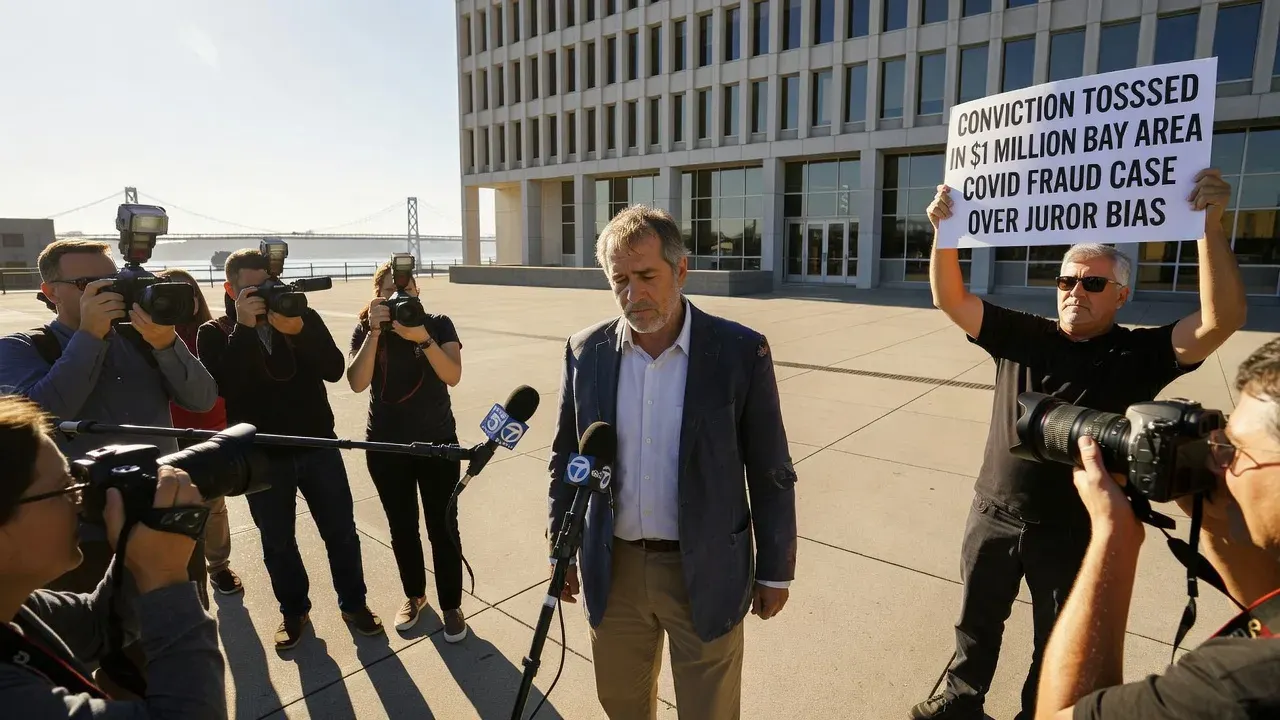
A single juror’s admitted prejudice against parolees was enough to erase Atilla Colar’s conviction on 44 felony counts tied to a $1 million COVID benefit fraud scheme at a Bay Area parolee rehabilitation program.
The appeals court tossed the verdict not because prosecutors failed to prove the fraud, but because the juror disclosed during deliberations that she could not fairly judge someone with a criminal record. That revelation turned a lengthy trial into a do-over, handing Colar a fresh start on charges that once carried the weight of systemic abuse of pandemic aid.
Court records show the juror’s bias emerged explicitly when fellow panelists pressed her on whether Colar’s parolee status influenced her vote. Her response left the verdict vulnerable on appeal, a detail buried in post-trial motions that ultimately swayed the higher court.

The original case centered on allegations that Colar orchestrated fraudulent claims for unemployment and other COVID relief funds funneled through the rehabilitation nonprofit. Prosecutors built a mountain of documentary evidence over months of investigation, yet one biased voice unraveled the outcome in a system already strained by backlogged courts and pandemic-era caseloads.
California’s appellate ruling underscores a quiet reality: even convictions involving large-scale public fund theft can be vacated on juror misconduct alone, leaving victims, taxpayers, and parolee program participants wondering whether justice will ever be final.
Now prosecutors must decide whether to retry Colar years after the original fraud, while the $1 million in allegedly stolen benefits remains a ledger entry with no resolution. The case reveals how procedural safeguards, designed to protect the innocent, can also shield the guilty when one person on a panel refuses to set aside their preconceptions.
Original reporting: CalMatters.
More in California
- UC Berkeley Lab Proposes New Civic Framework for California’s Next Governor
A research-driven agenda calls for institutionalizing 'co-governance' to address low public trust and lack of resident influence in state decision-making.
- Five Tax Measures on California’s Ballot Aim to Reshape State Finances
Propositions 3, 40–43 would alter income, wealth and local taxation rules—marking the highest number of tax measures on a general election ballot since 1994.
- Catalina Helicopter Crash Highlights Risks of Island Medevac Flights
A medical evacuation chopper carrying Catalina Romero, pilot, and nurse Jessica Devries crashed into the ocean shortly after takeoff, killing all three; federal investigators are assessing causes including night flying, spatial disorientation, and the island’s challenging Pebbly Beach heliport.