Converted Shipping Container Offers Mental Health Relief in South Africa
A repurposed shipping container in Orange Farm, South Africa, has become a unique mental health resource for residents, particularly those in underserved communities.

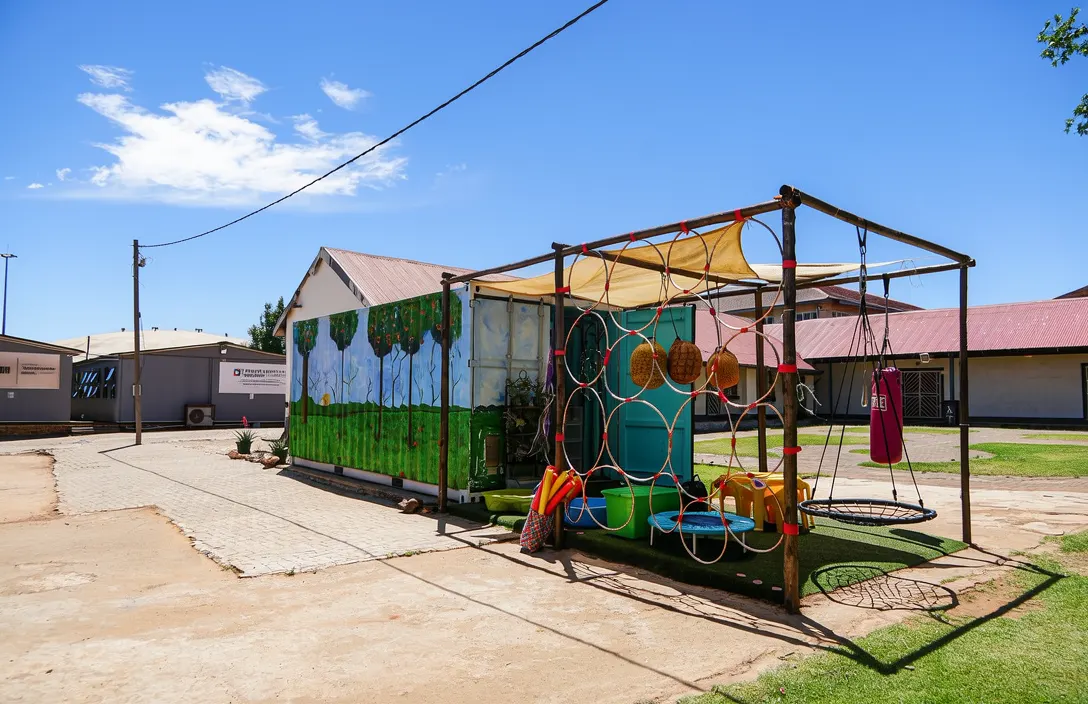

A shipping container converted into a sensory room in Orange Farm, South Africa, has become an unexpected source of mental health support for residents, particularly parents and caregivers of children with developmental conditions (source ID: 1). The facility, opened in April by youth-focused nonprofit Afrika Tikkun, was initially designed for young children but has also provided relief for adults in a neighborhood where professional therapy is scarce. Sisanda Hani, a 40-year-old mother of a teenager with ADHD and epilepsy, described the space as a place where she can release stress and feel less burdened. She initially thought the room was only for children but was encouraged by a social worker to try it, and now she leaves feeling more relaxed and able to communicate calmly with her son. [1]
The sensory room includes an assortment of sights, textures, and interactive elements such as fairy lights, beaded curtains, foil fish, tiny mirrors, a hammock, and a burlap cushion. Outside the container, there are balancing logs, sand and water pits, and a swing (source ID: 1). Locals helped design the space, making sensory items from recycled materials in workshops led by Afrika Tikkun and its partner, Sensory-Space. The facility has been used by 450 schoolchildren aged 6 to 18, 67 young adults, and 56 parents and caregivers, according to usage records. The room offers activities that help users explore sensations and regulate their responses, complementing professional therapy but not replacing it. [1]
Despite the benefits of the sensory room, professional mental health care remains difficult to access in South Africa. In 2023, then-Health Minister Joe Phaahla noted that fewer than 30% of people with mental health problems in the country received treatment (source ID: 1). The government’s 2023–2030 mental health policy acknowledges staff shortages and uneven services across provinces. Across Africa, mental health services remain underfunded and fragmented, particularly in underserved communities, according to the World Health Organization. Afrika Tikkun hopes to expand the initiative, with another sensory space already opened in Cape Town, as demand for such spaces continues to grow. [1]
A shipping container converted into a sensory room in Orange Farm, South Africa, has become an unexpected source of mental health support for residents, particularly parents and caregivers of children with developmental conditions (source ID: 1). The sensory room includes an assortment of sights, textures, and interactive elements such as fairy lights, beaded curtains, foil fish, tiny mirrors, a hammock, and a burlap cushion. Initially designed for young children with developmental conditions, it surprisingly also became a place of relief for parents and caregivers in a neighborhood where professional therapy is hard to find. [1]
Advertisement
Sisanda Hani, a 40-year-old mother of a teenager with ADHD and epilepsy, described the sensory room as a place where she can release stress. She initially thought the room was only for children, but after being encouraged by a social worker, she found that it helped her feel less burdened and better able to communicate with her son. Hani says her son also becomes calmer and more playful during visits to the room (source ID: 1). [1]
Tegan White, an occupational therapist with the program, explains that the room's textures, lights, sounds, and movement help users explore sensations and regulate their responses. For adults under stress, it offers somewhere to settle without having to explain their feelings. The room provides sensory activities beyond therapy appointments but complements professional care (source ID: 1). [1]
Annelize Kruger, an independent occupational therapy lecturer at the University of the Free State, says sensory rooms can help children and adults manage distress, although research remains limited. She distinguishes time spent exploring a sensory room from clinical sensory integration therapy, which involves individually tailored activities guided by an occupational therapist (source ID: 1). [1]
A shipping container converted into a sensory room in Orange Farm, South Africa, has become an unexpected source of mental health support for residents, particularly parents and caregivers of children with developmental conditions (source ID: 1). The sensory room includes an assortment of sights, textures, and interactive elements such as fairy lights, beaded curtains, foil fish, tiny mirrors, a hammock, and a burlap cushion. Sisanda Hani, a 40-year-old mother of a teenager with ADHD and epilepsy, described the sensory room as a place where she can release stress. She initially thought the room was only for children, but after being encouraged by a social worker, she found it to be a place where she could unwind and feel less burdened (source ID: 1). [1]
Advertisement
Tegan White, an occupational therapist with the program, explains that the room's textures, lights, sounds, and movement help users explore sensations and regulate their responses. The ball pit, for example, provides full-body contact that can help users sense where their limbs are. For adults under stress, it offers somewhere to settle without having to explain their feelings. "It doesn't require words. Maybe you aren't ready to talk," White said. The room provides sensory activities beyond her appointments, but she stresses that it complements professional care (source ID: 1). [1]
Annelize Kruger, an independent occupational therapy lecturer at the University of the Free State, says sensory rooms can help children and adults manage distress, although research remains limited. She distinguishes time spent exploring a sensory room from clinical sensory integration therapy, which involves individually tailored activities guided by an occupational therapist. Guidance can help users identify calming strategies to use beyond the room, Kruger said. The room is an assortment of sights and textures, with shapes resembling amoebas and coral covering a wall (source ID: 1). [1]
A shipping container converted into a sensory room in Orange Farm, South Africa, has become an unexpected source of mental health support for residents, particularly parents and caregivers of children with developmental conditions (source ID: 1). The sensory room includes an assortment of sights, textures, and interactive elements such as fairy lights, beaded curtains, foil fish, tiny mirrors, a hammock, and a burlap cushion. The room is designed to provide a space where individuals can explore sensations and regulate their responses, offering a unique form of relief for those in need. [1]
Sisanda Hani, a 40-year-old mother of a teenager with ADHD and epilepsy, described the sensory room as a place where she can release stress. The room's textures, lights, sounds, and movement help users explore sensations and regulate their responses (source ID: 1). Hani initially thought the room was only for children, but after being encouraged by a social worker, she found it to be a space where she could unwind and feel less burdened, allowing her to interact more calmly with her son. [1]
Advertisement
Tegan White, an occupational therapist with the program, explains that the room's textures, lights, sounds, and movement help users explore sensations and regulate their responses. The ball pit, for example, provides full-body contact that can help users sense where their limbs are. For adults under stress, it offers somewhere to settle without having to explain their feelings (source ID: 1). The room provides sensory activities beyond therapy appointments, but it complements professional care, emphasizing the importance of ongoing intervention. [1]
Sources
Prepared with AI assistance from the cited sources.
The Cali Reporter newsletter
The stories worth your time.
California, the country, and what comes next. Join our free newsletter for reporting that keeps you informed.
More in Health & Medicine
- Brain Cells Identified as Key to Regulating Sleep Pressure
Scientists have discovered two groups of brain cells in mice that become more active with prolonged wakefulness, playing a crucial role in generating the need for sleep.
- New Targeted Therapy for Gum Disease Shows Promise in Early Studies
Researchers in Japan have developed a novel treatment for gum disease that selectively targets harmful bacteria while preserving beneficial microbes, according to a study published in the Journal of Translational…
- Brain Mapping Reveals Stages of Hand Ownership Perception
A study from Karolinska Institutet has identified three distinct phases of brain activity linked to the perception that a hand belongs to the body, offering new insights into body perception and potential implications…