China's Emissions Flatline, U.S. Sees Rise Amid Climate Talks
As global leaders meet in Turkey for COP31, China and the U.S. remain the largest emitters, but their climate trajectories diverge significantly.

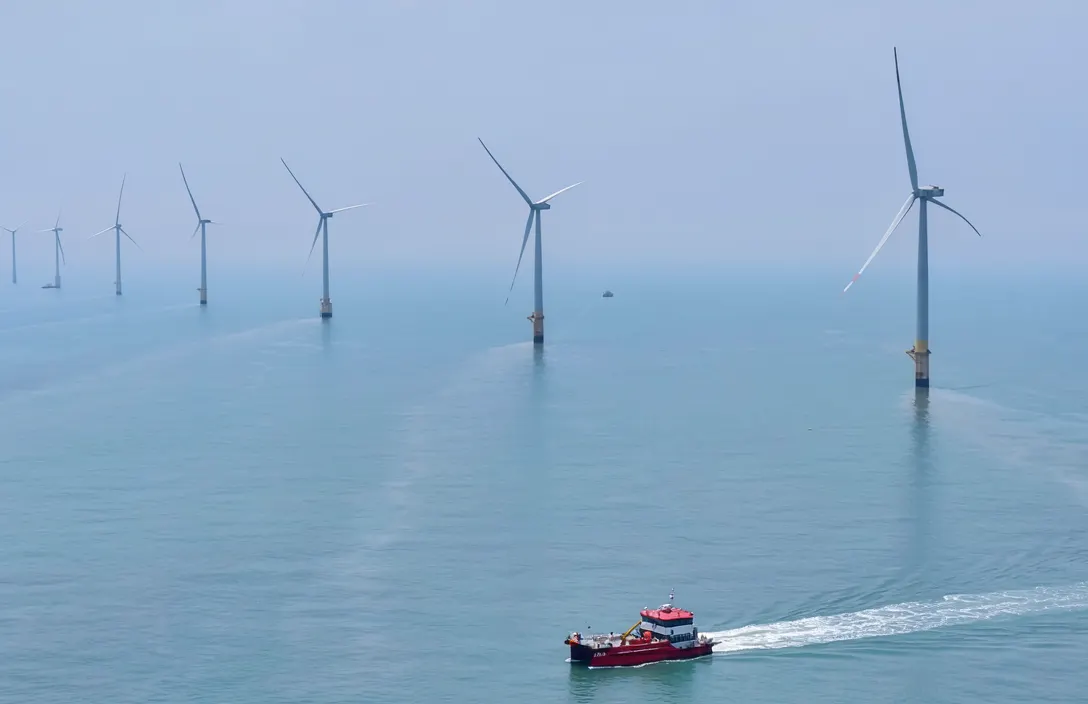

China's greenhouse gas emissions have been flat or falling for the past two and a half years, according to Lauri Myllyvirta, lead analyst at the Centre for Research on Energy and Clean Air. This shift is attributed to increased renewable energy and battery use, which is displacing coal, and the rise of electric vehicles that reduce oil consumption (source ID: 1). [1]
In contrast, U.S. emissions rose in 2025, driven by increased coal use for power and oil and gas for heating, according to a recent report from United Nations scientists. While emissions are projected to fall slightly this year, the U.S. has not scaled up renewable energy and battery deployment as effectively as China (source ID: 1). [1]
China's long-term planning and consistent policy direction have enabled it to build infrastructure that supports clean energy. Five-year plans from the central government helped provinces pivot into the clean energy sector, establishing nationwide supply chains for technologies such as solar panels, batteries, wind turbines, and electric vehicle manufacturing (source ID: 1). [1]
The U.S. has experienced policy inconsistency, with the Trump administration reversing policies that supported renewable energy and electric vehicles, while the Biden administration introduced financial incentives and emissions-cutting policies. This flip-flopping has hindered the U.S. from scaling up clean technologies as effectively as China (source ID: 1). [1]
Advertisement
China's greenhouse gas emissions have been flat or falling for the past two and a half years, according to Lauri Myllyvirta, lead analyst at the Centre for Research on Energy and Clean Air (source ID 1). This shift is attributed to China's increased investment in renewable energy and batteries, which are displacing coal use. Additionally, the rise of electric vehicles in China has contributed to a reduction in oil use. Myllyvirta notes that these reductions are larger than anticipated, highlighting a significant change in China's emissions trajectory. [1]
In contrast, the United States has experienced a different trend. U.S. greenhouse gas emissions rose in 2025 due to increased coal use for power and oil and gas for heating (source ID 1). A recent report from United Nations scientists indicates that the U.S. is the only major economy where planet-warming pollution increased significantly last year. However, emissions in the U.S. are projected to fall slightly this year, although the pace of reduction is not as rapid as in China. Alex Wang, a professor at UCLA Law, notes that the U.S. has not had consistent long-term policy support for climate technologies, unlike China (source ID 1). [1]
China's long-term planning and consistent policy direction have enabled it to build infrastructure that supports clean energy. Five-year plans from the central government helped provinces pivot into the clean energy sector (source ID 1). The government established nationwide supply chains for technologies such as solar panels, batteries, wind turbines, and electric vehicle manufacturing. These efforts have positioned China as the global leader in producing, deploying, and exporting clean energy technologies (source ID 1). [1]
China's greenhouse gas emissions have been flat or falling for the past two and a half years, according to Lauri Myllyvirta, lead analyst at the Centre for Research on Energy and Clean Air (source ID 1). This shift is attributed to China's long-term planning and consistent policy direction, which have enabled the country to build infrastructure that supports clean energy. The growth of renewable energy and battery technologies has displaced coal use, while the rise of electric vehicles has reduced oil consumption. These efforts have led to significant reductions in emissions, with a 3% drop in emissions reported in the most recent quarter (source ID 1). [1]
Advertisement
In contrast, the United States has experienced a different trend. U.S. greenhouse gas emissions rose in 2025, as the country burned more coal for power and oil and gas for heating (source ID 1). A recent report from United Nations scientists notes that the U.S. stands out as the only major economy where planet-warming pollution increased significantly last year. Although emissions in the U.S. are projected to fall slightly this year, the country could reduce its emissions more if it were deploying large-scale renewable energy and batteries like China (source ID 1). [1]
The lack of long-term policy support for clean energy technologies in the U.S. has hindered progress. The Biden administration increased funding for solar, wind, batteries, and electric vehicles, but the Trump administration reduced that funding and created regulatory hurdles for those industries (source ID 1). This policy inconsistency has led to challenges in scaling up climate technologies, making it difficult for the U.S. to match China's progress in reducing emissions (source ID 1). [1]
China's greenhouse gas emissions have been flat or falling for the past two and a half years, according to Lauri Myllyvirta, lead analyst at the Centre for Research on Energy and Clean Air (source ID 1). This change is attributed to China's increased use of renewable energy and batteries, which are displacing coal, as well as the rise of electric vehicles reducing oil use. Myllyvirta notes that these reductions are significant and unexpected. [1]
In contrast, the United States has experienced a different trend. U.S. greenhouse gas emissions rose in 2025, as the country burned more coal for power and oil and gas for heating (source ID 1). A recent report from United Nations scientists notes that the U.S. sticks out as the only major economy where planet-warming pollution increased significantly last year. This year, emissions in the U.S. are projected to fall slightly, but the country could reduce its emissions more if it were deploying large-scale renewable energy and batteries like China. [1]
Advertisement
The problem in the U.S. is the lack of long-term policy support for clean energy technologies, according to Alex Wang, a professor at UCLA Law and an expert on Chinese climate policy (source ID 1). The Biden administration increased funding for solar, wind, batteries and electric vehicles, but the Trump administration reduced that funding and created regulatory hurdles for those industries. This policy inconsistency has hindered the U.S. in scaling up climate technologies. [1]
Sources
Prepared with AI assistance from the cited sources.
The Cali Reporter newsletter
The stories worth your time.
California, the country, and what comes next. Join our free newsletter for reporting that keeps you informed.
More in San Diego
- Community Condemns ICE Enforcement Near Encinitas School
Residents and school officials in Encinitas are expressing deep concern over an ICE arrest near a local elementary school, highlighting the emotional and psychological impact on families and children.
- San Diego Lawmakers Push Immigration Enforcement Reforms
San Diego's Congressional delegation is advocating for changes to immigration enforcement practices following recent arrests that have raised concerns about the impact on families.
- Tide Pool Etiquette and Environmental Impact During King Tides
As king tides bring more visitors to San Diego's coastline, concerns grow over the impact of human activity on tide pool ecosystems. Educators and conservationists are urging visitors to follow responsible practices to…