Children Exposed to Medical Imaging Face Slightly Higher Brain Tumor Risk
A new study has found a correlation between cumulative radiation exposure from medical imaging in children and an increased risk of brain tumors.

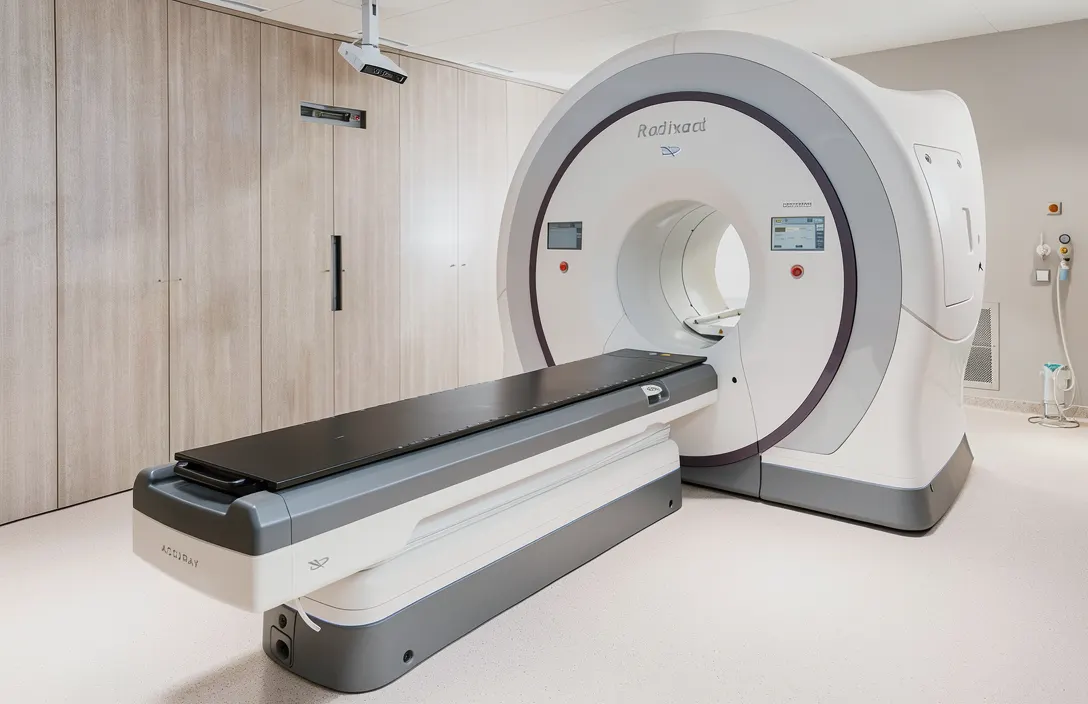

A study led by researchers from UC Davis and UC San Francisco found that higher cumulative radiation dose to the brain from medical imaging during childhood is linked to a greater brain tumor risk in children and adolescents (source ID 1). The study followed more than 3.7 million children in the United States and Ontario, Canada, from birth for an average of 12.3 years, using electronic medical records to evaluate cumulative radiation dose to the brain from all medical imaging that used ionizing radiation (source ID 1). [1]
The findings showed that exposure equivalent to one head CT scan was associated with a 1.8-fold increased risk of brain tumor, with approximately eight additional brain tumors per 10,000 children by age 21 (source ID 1). The researchers estimated that 10.1% of brain tumors in children and adolescents may be attributed to radiation from medical imaging. The study emphasized the importance of careful clinical justification of pediatric imaging and dose optimization when imaging is needed (source ID 1). [1]
Among the 1,536 brain tumors diagnosed during the follow-up period, most (82.5%) were of the aggressive type. More than half (55.7%) were in males, and around two-thirds (64.5%) were diagnosed between the ages of 2 and 10 years (source ID 1). The researchers highlighted the need to balance the immediate benefit of imaging against a small, delayed cancer risk, particularly in situations where imaging may or may not be necessary (source ID 1). [1]
A new large study led by UC Davis and UC San Francisco researchers has found that higher cumulative radiation dose to the brain from medical imaging during childhood is linked to a greater brain tumor risk in children and adolescents (source ID 1). Brain tumors are the second most common childhood cancers and are the leading cause of cancer death among children and adolescents. The study found that the risk of a brain tumor remains small in children exposed to ionizing radiation from medical imaging; however, risk increased with higher radiation exposure (source ID 1). [1]
Advertisement
The study included more than 3.7 million children in the United States and Ontario, Canada. These children were followed from the time they were born for an average of 12.3 years. The researchers studied electronic medical records to evaluate the cumulative radiation dose to the brain from all medical imaging that used ionizing radiation (source ID 1). Among this group, 1,536 brain tumors were diagnosed. More than half (55.7%) were in males. Around two-thirds of cases (64.5%) were diagnosed between the ages of 2 and 10 years (source ID 1). [1]
The study classified the tumors as aggressive or nonaggressive, based on their expected clinical behavior. Most tumors (82.5%) were of the aggressive type. During the follow-up period, 4.3% of children had one head CT, 0.9% had two and 0.4% had three or more. Among children with a brain tumor, 1.6% had two head CTs and 1.2% had three or more (source ID 1). The study found that exposure equivalent to one head CT scan was associated with a 1.8-fold increased risk of brain tumor (source ID 1). [1]
The study also assessed the potential broader impact of radiation from medical imaging. The researchers estimated that 10.1% of brain tumors in children and adolescents may be attributed to radiation from medical imaging (source ID 1). The researchers emphasize that the use of powerful imaging tools should be done responsibly and follow clinical guidelines (source ID 1). [1]
A new large study led by researchers from UC Davis and UC San Francisco found that higher cumulative radiation dose to the brain from medical imaging during childhood is linked to a greater brain tumor risk in children and adolescents (source ID 1). The findings showed that exposure equivalent to one head CT scan was associated with a 1.8-fold increased risk of brain tumor, with approximately eight additional brain tumors per 10,000 children by age 21 (source ID 1). The study included more than 3.7 million children in the United States and Ontario, Canada, and followed them from birth for an average of 12.3 years. [1]
Advertisement
The researchers evaluated the cumulative radiation dose to the brain from all medical imaging that used ionizing radiation by analyzing electronic medical records (source ID 1). Among the 1,536 brain tumors diagnosed during the follow-up period, most (82.5%) were of the aggressive type (source ID 1). The study classified the tumors as aggressive or nonaggressive based on their expected clinical behavior, and the findings showed an increasing brain tumor risk with higher cumulative radiation dose, with a stronger association for aggressive tumors (source ID 1). [1]
The researchers estimated that 10.1% of brain tumors in children and adolescents may be attributed to radiation from medical imaging (source ID 1). The study also assessed the potential broader impact of radiation from medical imaging and emphasized the need for careful clinical justification of pediatric imaging that uses ionizing radiation (source ID 1). The researchers highlighted that the use of powerful imaging tools should be done responsibly and follow clinical guidelines to balance the immediate benefit of imaging against a small, delayed cancer risk (source ID 1). [1]
A study led by researchers from UC Davis and UC San Francisco found that higher cumulative radiation dose to the brain from medical imaging during childhood is linked to a greater brain tumor risk in children and adolescents (source ID 1). The study included more than 3.7 million children in the United States and Ontario, Canada. These children were followed from the time they were born for an average of 12.3 years. The researchers studied electronic medical records to evaluate the cumulative radiation dose to the brain from all medical imaging that used ionizing radiation (source ID 1). [1]
Among the 1,536 brain tumors diagnosed during the follow-up period, most (82.5%) were of the aggressive type. The study found that exposure equivalent to one head CT scan was associated with a 1.8-fold increased risk of brain tumor, with approximately eight additional brain tumors per 10,000 children by age 21 (source ID 1). The findings support the need for careful clinical justification of pediatric imaging that uses ionizing radiation (such as CT scans) and dose optimization when imaging is needed (source ID 1). [1]
Advertisement
The researchers estimated that 10.1% of brain tumors in children and adolescents may be attributed to radiation from medical imaging (source ID 1). The study also assessed the potential broader impact of radiation from medical imaging. The researchers emphasize that the use of powerful imaging tools should be done responsibly and follow clinical guidelines (source ID 1). [1]
Sources
Prepared with AI assistance from the cited sources.
The Cali Reporter newsletter
The stories worth your time.
California, the country, and what comes next. Join our free newsletter for reporting that keeps you informed.
More in Health & Medicine
- Understanding Fascia and the Evidence Behind Fascia Release
Fascia is a connective tissue that plays a structural role in the human body, but evidence supporting specific exercises or tools for 'fascia release' remains limited.
- Antidepressant Effectiveness and Long-Term Use
A new review suggests that some antidepressants may be more effective than others in helping people manage depression symptoms over the long term, according to a study published in The Lancet Psychiatry.
- Experimental Weight-Loss Drug Shows Promise for Knee Osteoarthritis Pain
A new study suggests that an experimental weight-loss drug, retatrutide, may significantly reduce knee pain in people with osteoarthritis and obesity.