Chewable Fish Oil Emulsions May Improve Omega-3 Absorption
A recent clinical trial suggests that chewable fish oil emulsion supplements may enhance the absorption of omega-3 fatty acids compared to traditional soft-gel capsules.

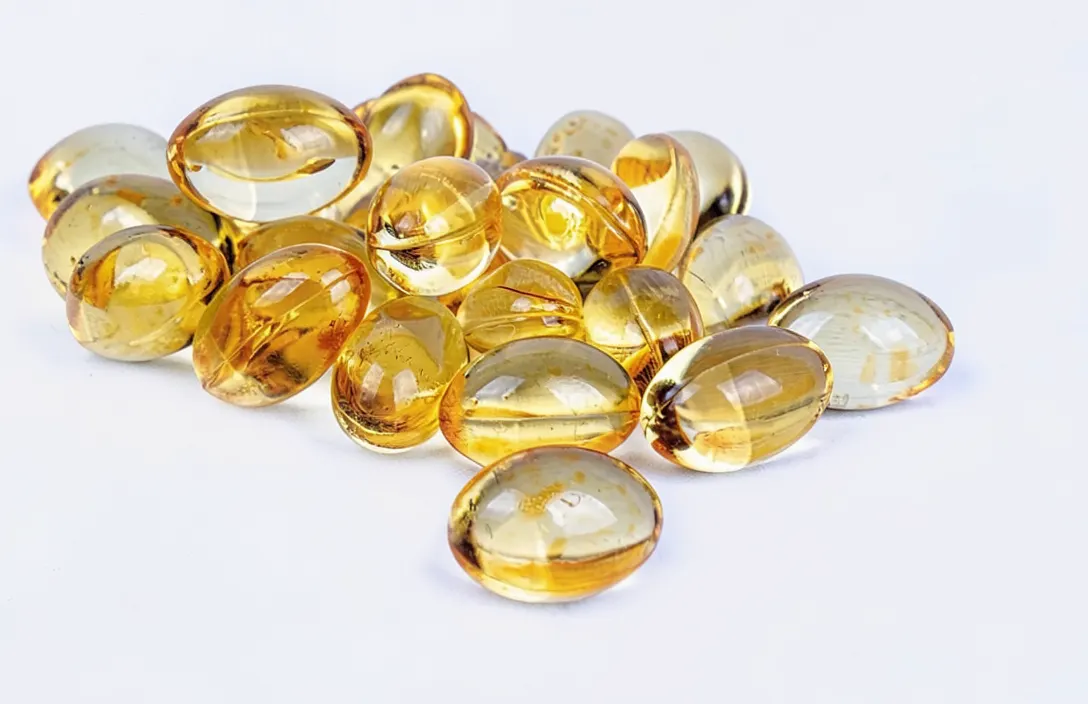

A crossover clinical trial published in the European Journal of Lipid Science and Technology found that a chewable fish oil emulsion supplement may provide higher circulating levels of omega-3 fatty acids compared with a soft gel. The study involved 12 healthy adults who took a single dose of 1.1 g of eicosapentaenoic acid (EPA) plus docosahexaenoic acid (DHA) omega-3 fatty acids from fish oil, either as a chewable emulsion or as a soft-gel capsule, with a one-week washout period between the two preparations (source ID: 1). [1]
The chewable format increased overall uptake of omega-3 fatty acids by 25% and boosted peak levels of EPA and DHA in the blood by 50%, while also reaching these peaks more rapidly. The findings strengthen the evidence that omega-3 emulsions provide faster and more efficient absorption than standard soft-gel capsules (source ID: 1). [1]
The study used a dose similar to what people normally take, and the results are considered highly relevant. The research was conducted by investigators from Wageningen University in the Netherlands, with corresponding author professor Renger Witkamp, Ph.D., highlighting the significance of the findings (source ID: 1). [1]
A crossover clinical trial published in the European Journal of Lipid Science and Technology found that a chewable fish oil emulsion supplement may provide higher circulating levels of omega-3 fatty acids compared with a soft gel. The study involved 12 healthy adults who took a single dose of 1.1 g of eicosapentaenoic acid (EPA) plus docosahexaenoic acid (DHA) omega-3 fatty acids from fish oil, either as a chewable emulsion or as a soft-gel capsule (source ID: 1). [1]
Advertisement
The chewable format increased overall uptake of omega-3 fatty acids by 25% and boosted peak levels of EPA and DHA in the blood by 50%, while also reaching these peaks more rapidly. The study used a dose similar to what people normally take, and the results are considered highly relevant (source ID: 1). [1]
According to the study's corresponding author, professor Renger Witkamp, Ph.D., from Wageningen University, the findings strengthen the evidence that omega-3 emulsions provide faster and more efficient absorption than standard soft-gel capsules (source ID: 1). [1]
A crossover clinical trial published in the European Journal of Lipid Science and Technology found that a chewable fish oil emulsion supplement may provide higher circulating levels of omega-3 fatty acids compared with a soft gel (source ID: 1). The trial involved 12 healthy adults who took a single dose of 1.1 g of eicosapentaenoic acid (EPA) plus docosahexaenoic acid (DHA) omega-3 fatty acids from fish oil, either as a chewable emulsion or as a soft-gel capsule, with a one-week washout period between the two preparations (source ID: 1). [1]
The chewable format increased overall uptake of omega-3 fatty acids by 25% and boosted peak levels of EPA and DHA in the blood by 50%, while also reaching these peaks more rapidly (source ID: 1). According to the study's corresponding author, professor Renger Witkamp, Ph.D., from Wageningen University, the findings strengthen the evidence that omega-3 emulsions provide faster and more efficient absorption than standard soft-gel capsules (source ID: 1). [1]
Advertisement
Because the study used a dose similar to what people normally take, these results are considered highly relevant (source ID: 1). The research was published in the European Journal of Lipid Science and Technology (2026) with the DOI: 10.1002/ejlt.70163 (source ID: 1). [1]
A crossover clinical trial published in the European Journal of Lipid Science and Technology found that a chewable fish oil emulsion supplement may provide higher circulating levels of omega-3 fatty acids compared with a soft gel (source ID: 1). The study involved 12 healthy adults who took a single dose of 1.1 g of eicosapentaenoic acid (EPA) plus docosahexaenoic acid (DHA) omega-3 fatty acids from fish oil, either as a chewable emulsion or as a soft-gel capsule, with a one-week washout period between the two preparations (source ID: 1). [1]
The chewable format increased overall uptake of omega-3 fatty acids by 25% and boosted peak levels of EPA and DHA in the blood by 50%, while also reaching these peaks more rapidly (source ID: 1). According to the study's corresponding author, professor Renger Witkamp, Ph.D., from Wageningen University, the findings strengthen the evidence that omega-3 emulsions provide faster and more efficient absorption than standard soft-gel capsules (source ID: 1). [1]
Because the study used a dose similar to what people normally take, these results are considered highly relevant (source ID: 1). The research highlights the potential benefits of chewable fish oil emulsions in improving the bioavailability of omega-3 fatty acids, which could have implications for dietary supplement formulation and consumer health outcomes (source ID: 1). [1]
Advertisement
The Cali Reporter newsletter
The stories worth your time.
California, the country, and what comes next. Join our free newsletter for reporting that keeps you informed.
More in Health & Medicine
- Understanding Fascia and the Evidence Behind Fascia Release
Fascia is a connective tissue that plays a structural role in the human body, but evidence supporting specific exercises or tools for 'fascia release' remains limited.
- Antidepressant Effectiveness and Long-Term Use
A new review suggests that some antidepressants may be more effective than others in helping people manage depression symptoms over the long term, according to a study published in The Lancet Psychiatry.
- Experimental Weight-Loss Drug Shows Promise for Knee Osteoarthritis Pain
A new study suggests that an experimental weight-loss drug, retatrutide, may significantly reduce knee pain in people with osteoarthritis and obesity.