Chester Zoo Successfully Hatches Endangered Malay Peacock-Pheasant Chicks
Chester Zoo in England has achieved a rare success in hatching endangered Malay peacock-pheasant chicks, marking a significant step in conservation efforts for the species.

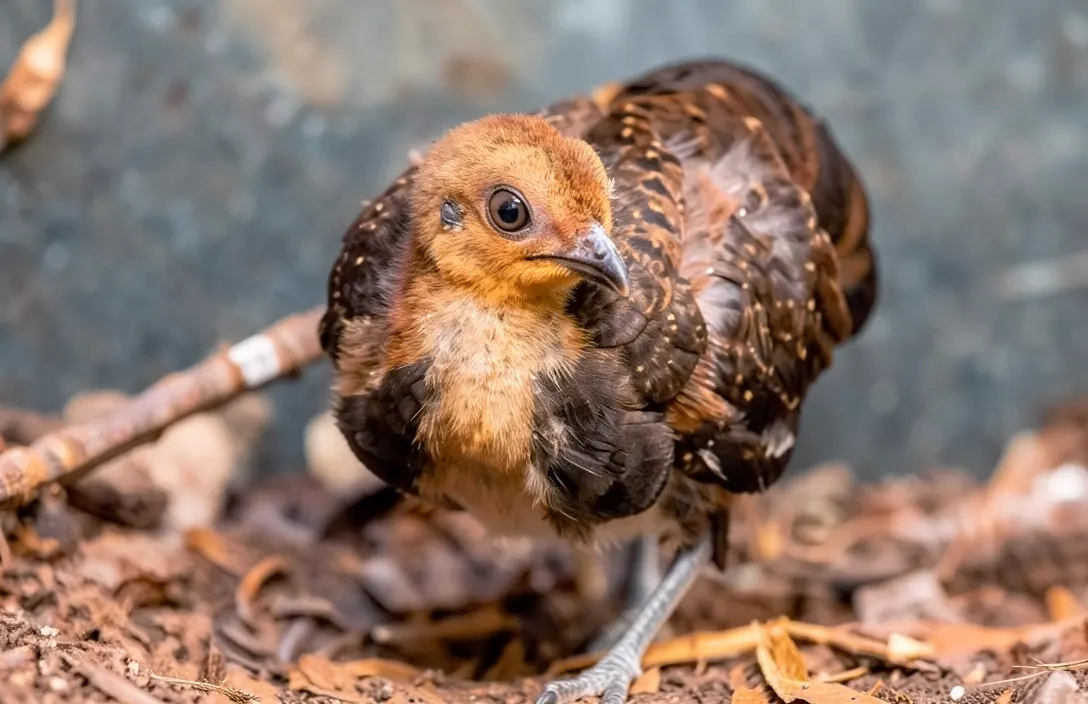
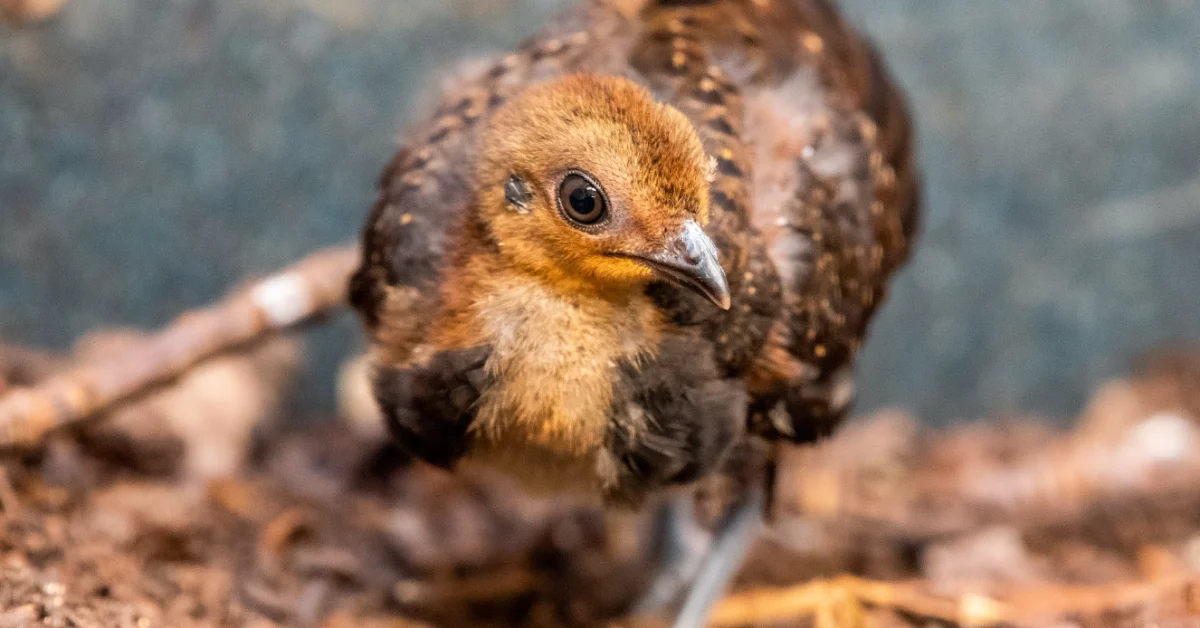
Chester Zoo, based in Cheshire, England, successfully hatched two chicks of the endangered Malay peacock-pheasant, a species native to the lowland rainforests of Malaysia. This achievement marks the only successful hatching of the species in Europe this year, according to Good Good Good. The zoo, which has operated as a nonprofit since 1934, is home to over 30,000 animals and more than 500 species. The Malay peacock-pheasant has been endangered for decades due to large-scale habitat loss from farming plantations (source ID: 1). [1]
The first pair of Malay peacock-pheasants arrived at Chester Zoo in October 2023, with a second pair joining in September 2024. One of the adult females laid an egg but abandoned it shortly after. Zookeepers then paired the egg with a bronze-tailed peacock-pheasant, a similar species, to act as a foster parent. According to Andrew Owen, head of birds at Chester Zoo, this intervention was necessary due to the rarity of the species and the initial failure of the parent bird to care for the egg (source ID: 1). [1]
When the female Malay peacock-pheasant laid a second egg, she successfully incubated it herself. However, shortly after the chick hatched, she left the nest, leaving the chick vulnerable to the cold. To address this, Leanne Lowton, the lead keeper of birds at Chester Zoo, improvised a solution by turning a rubber glove into a temporary hot-water bottle to provide warmth. The chick was then returned to its mother, who accepted it and has since raised it successfully (source ID: 1). [1]
Chester Zoo expressed optimism about the future of the Malay peacock-pheasant breeding program. Andrew Owen noted that the female has now demonstrated maternal instincts, and it is hoped she will continue to rear future chicks independently. The European Association of Zoos and Aquaria reports that only 15 individuals of the species are currently being raised in captivity in European zoos, making the chicks at Chester Zoo crucial additions to the conservation effort (source ID: 1). [1]
Advertisement
Chester Zoo, based in Cheshire, England, successfully hatched two chicks of the endangered Malay peacock-pheasant, a species native to the lowland rainforests of Malaysia. The first pair of Malay peacock-pheasants arrived at Chester Zoo in October 2023, with a second pair joining in September 2024. When the female Malay peacock-pheasant laid a second egg, she successfully incubated it herself. Chester Zoo expressed optimism about the future of the Malay peacock-pheasant breeding program (Source ID: 1). [1]
An adult male Malay peacock-pheasant, possibly the sire of the new chicks, was present at Chester Zoo. The zookeepers paired her egg with a bronze-tailed peacock-pheasant, who stepped in as a 'foster parent.' This decision was made because the female Malay peacock-pheasant abandoned her first egg. According to Andrew Owen, head of birds at Chester Zoo, it is quite normal for young, inexperienced parent birds to not get it quite right on the first attempt (Source ID: 1). [1]
Leanne Lowton, the lead keeper of birds at Chester Zoo, said the foster 'mom' they turned to was a very similar species to the natural parents. The bronze-tailed peacock-pheasant incubated the egg perfectly. However, shortly after the chick hatched, the Malay peacock-pheasant left the nest early, leaving it in the cold. Lowton improvised a solution by turning a rubber glove into a temporary hot-water bottle to keep the baby bird alive (Source ID: 1). [1]
The chick was chilled, so zookeepers needed to provide warmth and energy. They popped the hatchling back with its mother the next morning, and she immediately accepted her chick. Owen is optimistic about the mother's ability to hatch more chicks in the future. More chicks mean a stronger safeguard for the endangered species (Source ID: 1). [1]
Advertisement
Chester Zoo, located in Cheshire, England, successfully hatched two chicks of the endangered Malay peacock-pheasant, a species native to the lowland rainforests of Malaysia (1). The zoo has operated as a nonprofit since 1934 and is home to over 30,000 animals and more than 500 species (1). According to Andrew Owen, head of birds at Chester Zoo, the first pair of Malay peacock-pheasants arrived in October 2023, with a second pair joining in September 2024 (1). [1]
When the female Malay peacock-pheasant laid her first egg, she abandoned it, prompting the zookeepers to pair the egg with a bronze-tailed peacock-pheasant, who served as a foster parent (1). Leanne Lowton, the lead keeper of birds at Chester Zoo, explained that the foster 'mom' was a very similar species to the natural parents, ensuring the chick would learn proper behaviors (1). The bronze-tailed peacock-pheasant incubated the egg perfectly, providing the necessary care for the chick (1). [1]
However, shortly after the second chick hatched, the female Malay peacock-pheasant left the nest early, leaving the chick in the cold (1). In response, Lowton improvised a solution by turning a rubber glove into a temporary hot-water bottle to keep the baby bird alive (1). The chick was chilled, so zookeepers needed to provide warmth and energy, which they did during an intense 24-hour period (1). [1]
Sources
Prepared with AI assistance from the cited sources.
The Cali Reporter newsletter
The stories worth your time.
California, the country, and what comes next. Join our free newsletter for reporting that keeps you informed.
More in Good News
- Black Mapmaking as a Tool for Reclaiming History and Fighting Injustice
Black mapmakers and artists are using cartography to counteract historical erasure and combat systemic racism, as evidenced by various projects across the United States.
- Observing Animal Behavior in the Intertidal Zone
A biology professor shares insights on how paying attention to natural sounds and movements can reveal animal secrets, particularly in the intertidal zone.
- Grandfather Rescues Lost Toddler in Arizona Desert
An Arizona grandfather played a pivotal role in rescuing a missing toddler during a cold desert night, according to local news reports.