Cellphone Bans in Schools May Improve Student Test Scores
A new study suggests that enforcing strict cellphone bans in schools through locked pouches may lead to small but statistically significant improvements in student math and reading scores.

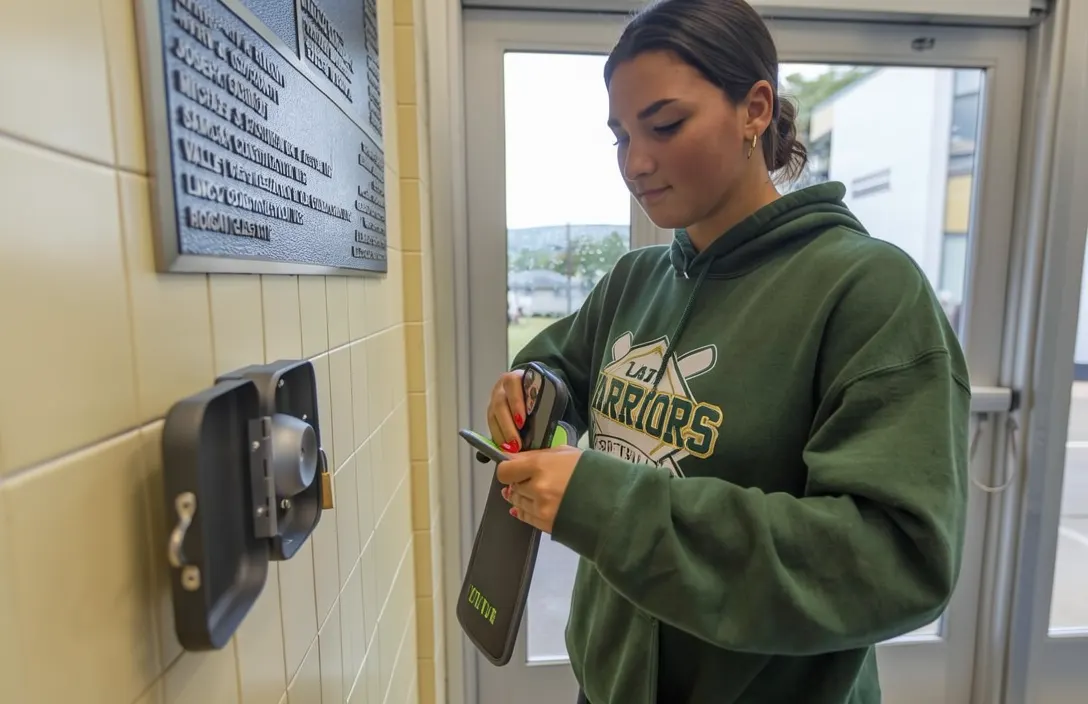

A new study suggests that enforcing strict cellphone bans in schools through locked pouches may lead to small but statistically significant improvements in student math and reading scores. According to the research, which was conducted by Harvard University, Dartmouth College, and NWEA, the implementation of these bans has been associated with learning gains equivalent to 1-2 weeks of learning per year. The study analyzed data from over 3 million students across the U.S. over the past five school years, comparing test scores in schools that adopted phone pouches with those that did not (Source ID: 1). [1]
The findings show that the learning gains from cellphone bans did not fade after the first year of implementation but instead continued for at least three years. However, the study also notes that the results are not universally supported. A separate study from April 2026 found that the impact of these pouches on student test scores was close to zero, with no statistically significant improvements observed (Source ID: 1). [1]
The two studies differ in their methodologies. The April study pooled school-level mean test scores, while the more recent study used student-level data from 844 schools that use both Yondr pouches and NWEA tests. Both studies examined the use of lockable pouches made by Yondr, a for-profit company, and found mixed results. The April study did find statistically significant gains in high school math but noted that these were offset by learning losses in middle school (Source ID: 1). [1]
Despite the mixed results, the researchers of the more recent study argue that even small improvements in test scores could be financially beneficial for schools, as the cost of implementing the pouches is relatively low. However, further research is needed to confirm the long-term effects of these cellphone bans on student achievement (Source ID: 1). [1]
Advertisement
A new study suggests that enforcing strict cellphone bans in schools through locked pouches may lead to small but statistically significant improvements in student math and reading scores. The findings show that the learning gains from cellphone bans did not fade after the first year of implementation but instead continued for at least three years. The study, conducted by researchers from Harvard University, Dartmouth College, and NWEA, analyzed data from over 3 million students across the U.S. (1). [1]
The study's authors argue that even small improvements in test scores could be financially beneficial for schools, as the cost of implementing the pouches is relatively low. According to Tom Kane, one of the co-authors, the cost is roughly $25 per student, which is significantly less than the cost of hiring teachers for an extra week or two of instruction (1). [1]
However, the study's findings are not without contradiction. A separate study from April found that these pouches had "close to zero" impact on student test scores. Brian Jacob, a co-author of that study, stated that there was no evidence of meaningful achievement gains (1). [1]
Despite the mixed results, the researchers of the more recent study argue that the gains in learning may accumulate over time. Tom Kane believes that even small improvements could add up, similar to how the initial declines in academic performance over the years had a cumulative effect (1). [1]
Advertisement
A new study suggests that enforcing strict cellphone bans in schools through locked pouches may lead to small but statistically significant improvements in student math and reading scores. The study's authors argue that even small improvements in test scores could be financially beneficial for schools, as the cost of implementing the pouches is relatively low. The study, led by researchers from Harvard University and Dartmouth College, analyzed test scores from over 3 million students across the U.S. over the past five years, comparing schools that implemented the bans with those that did not. According to the study, the gains in learning did not fade after the first year of implementation but instead continued for at least three years (Source ID: 1). [1]
The findings indicate that strict cellphone bans seem to plug about half of the learning leak that began around 2013, when U.S. students started losing 2-3 weeks of learning each year. This decline put 8th graders almost a year behind in reading and math achievement. The researchers suggest that the small improvements in test scores could add up over time, similar to how the initial declines accumulated (Source ID: 1). [1]
However, the study's findings are not without contradiction. A separate study from April found that these pouches had close to zero impact on student test scores. The April study, which was peer-reviewed, did find statistically significant gains in high school math but noted that these gains were offset by learning losses in middle school. The researchers of both studies acknowledge that the results are not definitive and that more research is needed to understand the long-term effects of cellphone bans on student achievement (Source ID: 1). [1]
A new study suggests that enforcing strict cellphone bans in schools through locked pouches may lead to small but statistically significant improvements in student math and reading scores (1). The findings show that the learning gains from cellphone bans did not fade after the first year of implementation but instead continued for at least three years (1). The study's authors say it is the first nationwide analysis of student-level test scores in math and reading both before and after schools enforced locked-pouch cellphone bans (1). [1]
Advertisement
The study's authors argue that even small improvements in test scores could be financially beneficial for schools, as the cost of implementing the pouches is relatively low (1). Kane, Staiger and their teams analyzed a nationwide sample of more than 3 million elementary-, middle- and high-school students over the past five school years, comparing the test scores in schools that adopted phone pouches to the scores at similar schools that did not (1). [1]
Not only did strict cellphone bans appear to trigger small learning gains, the researchers say, those gains didn't seem to fade out after the first year of implementation. Instead, Kane says, the gains appeared to continue, year after year – at least up to three years after adoption (1). The rise of smartphones in the U.S. coincided with a dramatic slide in K-12 students' reading and math achievement (1). [1]
Sources
Prepared with AI assistance from the cited sources.
The Cali Reporter newsletter
The stories worth your time.
California, the country, and what comes next. Join our free newsletter for reporting that keeps you informed.
More in San Diego
- Community Condemns ICE Enforcement Near Encinitas School
Residents and school officials in Encinitas are expressing deep concern over an ICE arrest near a local elementary school, highlighting the emotional and psychological impact on families and children.
- San Diego Lawmakers Push Immigration Enforcement Reforms
San Diego's Congressional delegation is advocating for changes to immigration enforcement practices following recent arrests that have raised concerns about the impact on families.
- Tide Pool Etiquette and Environmental Impact During King Tides
As king tides bring more visitors to San Diego's coastline, concerns grow over the impact of human activity on tide pool ecosystems. Educators and conservationists are urging visitors to follow responsible practices to…