Cancer Cases Among Transgender People Projected to Rise in England
A study led by Queen Mary University of London estimates that cancer cases among transgender and gender-diverse people in England could more than double over the next decade.

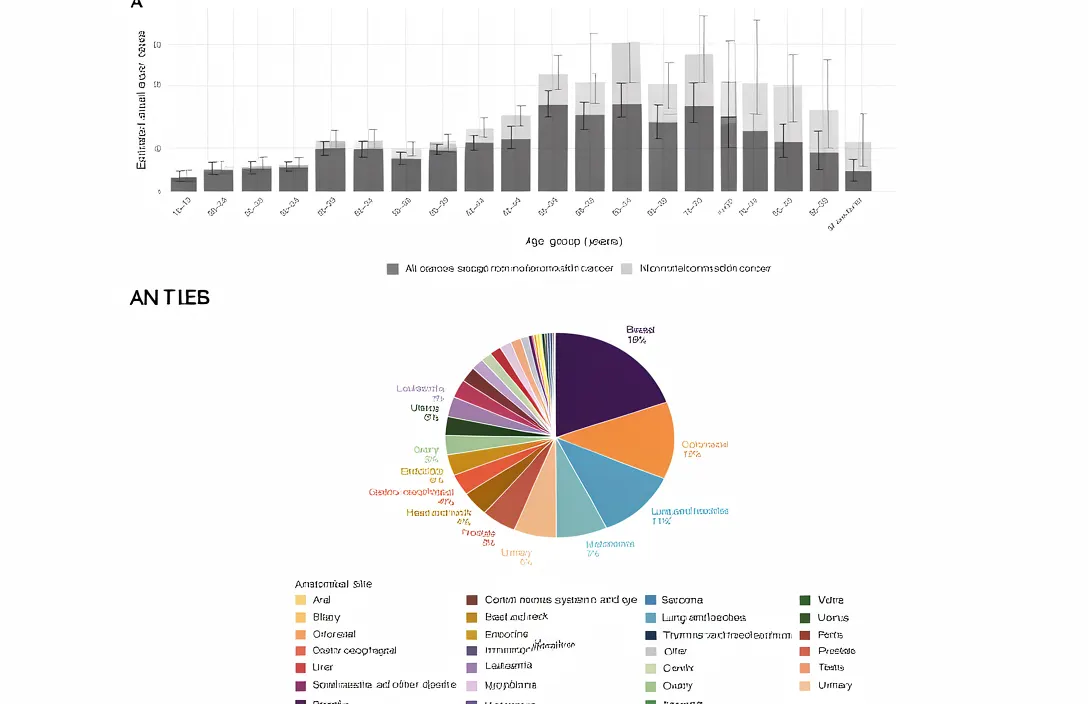

A study led by Queen Mary University of London has found that the number of new cancer cases each year among transgender and gender-diverse people in England could more than double over the next decade. The research, published in eClinicalMedicine, estimates that approximately 965 new cancer cases occur annually among transgender and gender-diverse people in England. This figure is projected to rise to around 1,739 cases in five years and 2,257 cases within 10 years. The researchers indicate that the findings highlight the need for cancer services to prepare for the changing needs of this population, alongside improvements in cancer screening, health care professional training and the collection of patient data. The study, believed to be the first to estimate the annual number of cancer cases among transgender and gender-diverse people in England, combined national cancer statistics, population data and existing research on the potential effects of gender-affirming health care. [1]
Breast cancer was estimated to be the most common cancer in this population, accounting for approximately 19% of cases, followed by colorectal cancer at 12% and lung cancer at 11%. Despite growing recognition of the health care needs of transgender and gender-diverse people, reliable national data on cancer incidence in this population remain limited. Current cancer registration systems do not consistently distinguish between sex characteristics and gender identity, making it difficult to accurately understand cancer patterns and plan appropriate services. [1]
Transgender and gender-diverse people may also face barriers to cancer screening and treatment, including concerns about discrimination, health care environments that do not meet their needs, and uncertainty about eligibility for screening programs. Potential impact of gender-affirming care The researchers also examined how access to gender-affirming care, including hormone treatment and surgery, could influence future cancer cases. Their modeling suggests that if transgender and gender-diverse people were able to access the gender-affirming care they planned to receive, the projected number of annual cancer cases in 10 years could be approximately 11% lower, falling to 2,006. [1]
The study, conducted by Queen Mary University of London, focuses on transgender and gender-diverse (TGD) individuals in England. It estimates that 965 new cancer cases occur annually in this population, with a projected increase to 1,739 cases in five years and 2,257 cases in 10 years. This projection is based on national cancer statistics, population data, and existing research on gender-affirming health care. The research team highlights that current cancer registration systems in England do not consistently distinguish between sex characteristics and gender identity, which limits accurate understanding of cancer patterns in TGD individuals. [1]
Advertisement
Breast cancer is identified as the most common cancer among TGD people in England, accounting for approximately 19% of cases. Colorectal cancer follows at 12%, and lung cancer at 11%. The study notes that breast cancer is more common among trans women receiving feminizing hormone therapy, but the incidence rate is still lower than that for cisgender women. The research also examines how access to gender-affirming care, such as hormone treatment and surgery, could influence future cancer cases, suggesting that such care might reduce the likelihood of developing certain cancers, including breast cancer in trans men and prostate cancer in trans women. [1]
The study is believed to be the first to estimate the annual number of cancer cases among TGD individuals in England. It uses a simulation and projection approach, combining data from national cancer registries with population statistics and existing research on the effects of gender-affirming care. Researchers emphasize that these findings are based on modeling rather than directly observed outcomes. They stress the importance of preparing cancer services to meet the changing needs of the TGD population, improving screening, training healthcare professionals, and collecting more detailed patient data to better understand cancer risks in this group. [1]
A study led by Queen Mary University of London has found that the number of new cancer cases each year among transgender and gender-diverse people in England could more than double over the next decade. The research, published in eClinicalMedicine, estimates that approximately 965 new cancer cases occur annually among transgender and gender-diverse people in England. This figure is projected to rise to around 1,739 cases in five years and 2,257 cases within 10 years (Source ID: 1). [1]
Breast cancer was estimated to be the most common cancer in this population, accounting for approximately 19% of cases, followed by colorectal cancer at 12% and lung cancer at 11%. Despite growing recognition of the health care needs of transgender and gender-diverse people, reliable national data on cancer incidence in this population remain limited (Source ID: 1). [1]
Advertisement
Current cancer registration systems do not consistently distinguish between sex characteristics and gender identity, making it difficult to accurately understand cancer patterns and plan appropriate services. Transgender and gender-diverse people may also face barriers to cancer screening and treatment, including concerns about discrimination, health care environments that do not meet their needs, and uncertainty about eligibility for screening programs (Source ID: 1). [1]
Sources
Prepared with AI assistance from the cited sources.
The Cali Reporter newsletter
The stories worth your time.
California, the country, and what comes next. Join our free newsletter for reporting that keeps you informed.
More in Health & Medicine
- Understanding Fascia and the Evidence Behind Fascia Release
Fascia is a connective tissue that plays a structural role in the human body, but evidence supporting specific exercises or tools for 'fascia release' remains limited.
- Antidepressant Effectiveness and Long-Term Use
A new review suggests that some antidepressants may be more effective than others in helping people manage depression symptoms over the long term, according to a study published in The Lancet Psychiatry.
- Experimental Weight-Loss Drug Shows Promise for Knee Osteoarthritis Pain
A new study suggests that an experimental weight-loss drug, retatrutide, may significantly reduce knee pain in people with osteoarthritis and obesity.