California Spider's Genome Larger Than Human's
A California trapdoor spider named after comedian Stephen Colbert has a genome larger than the human genome, according to a study published in the Journal of Heredity.

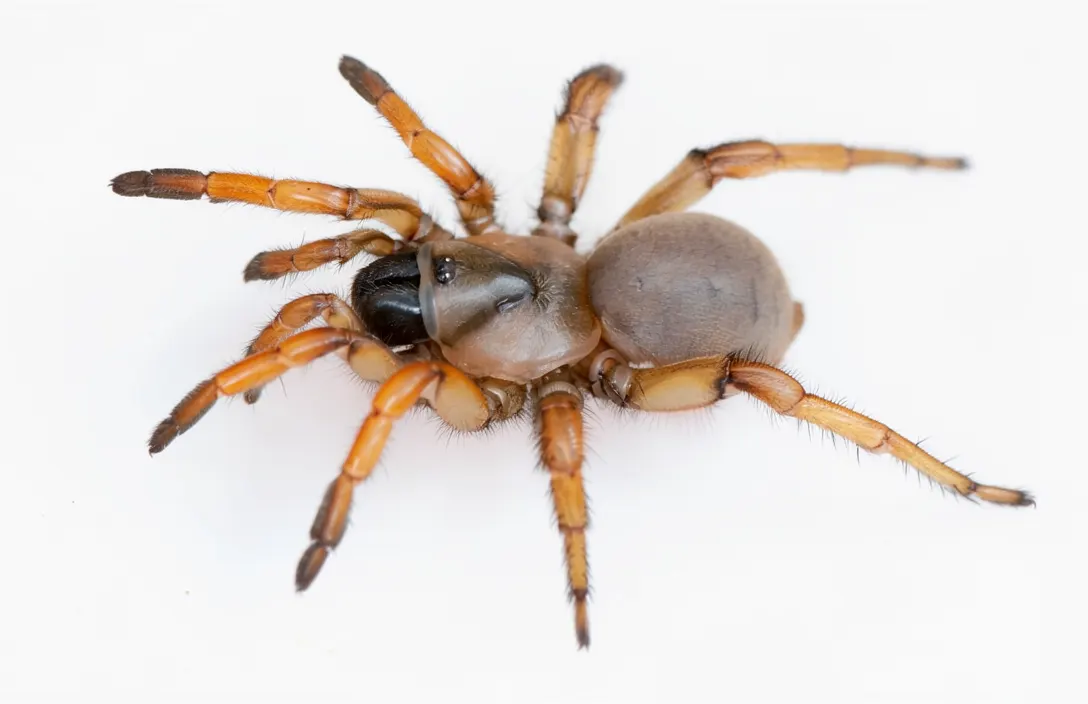
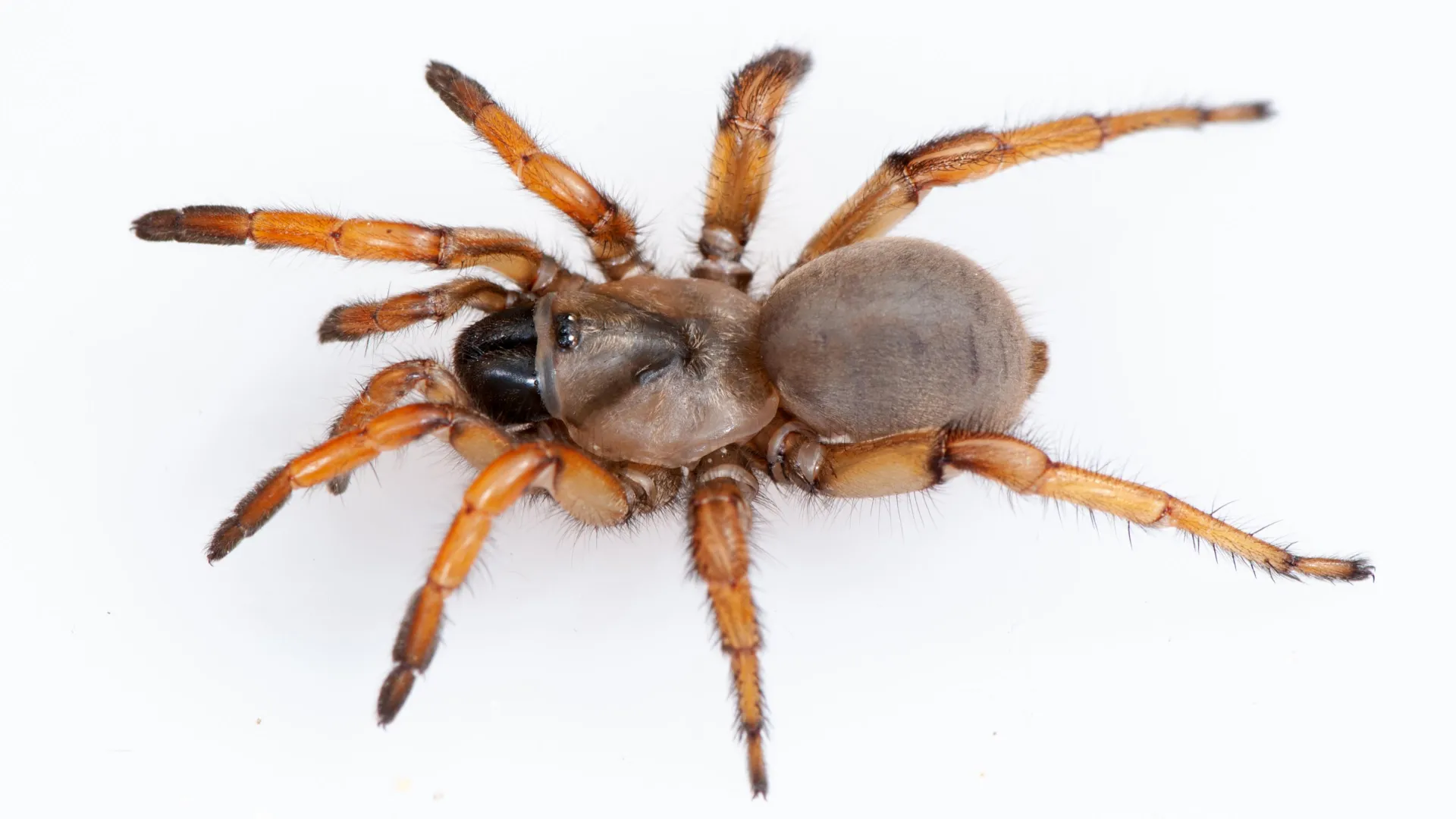
A tiny California spider named after comedian Stephen Colbert has a genome roughly 50% larger than the human genome, according to a study published in the Journal of Heredity (source ID 1). The species, Aptostichus stephencolberti, is a trapdoor spider that lives in California's coastal dunes. Its genome, at 4.6 gigabases, is not the largest among spiders, but it is significant. This is the first time scientists have sequenced the genome of a spider from this family. [1]
The spider's genome contains 52 chromosomes, compared with the 46 chromosomes typically found in human cells. However, having a larger genome does not necessarily mean having more genes. Approximately 77% of the spider's genome consists of repetitive DNA sequences. This finding highlights an unusual feature of spider chromosomes, which lack the conventional repetitive DNA sequences associated with telomeres (source ID 1). [1]
The research could play an important role in protecting the species. The genome sequencing effort is part of the California Conservation Genomics project, a state-funded initiative designed to build a collection of genomic information that scientists can use to guide conservation decisions (source ID 1). Trapdoor spiders generally do not venture far from their burrows, making it difficult for populations to move between habitats. Researchers hope genetic information will help them identify distinct populations that may need special protection. [1]
Aptostichus stephencolberti is found only in coastal dunes along a limited stretch of Central California. This restricted range makes the species particularly vulnerable to environmental changes. Rising sea levels could eliminate portions of its coastal habitat, while invasive species pose another significant danger (source ID 1). [1]
Advertisement
The genome of the California trapdoor spider, Aptostichus stephencolberti, is roughly 50% larger than the human genome, according to a study published in the Journal of Heredity (source ID 1). The spider's genome contains 4.6 gigabases of DNA, which is not the largest among spiders but is significant for research. This discovery was made by a team of scientists led by Jason Bond, a professor at UC Davis, and was part of the California Conservation Genomics project. The research could help scientists better understand the genetic makeup of spiders and how genomes have evolved across the animal kingdom. [1]
The spider's genome includes 52 chromosomes, compared with the 46 chromosomes typically found in human cells (source ID 1). However, the larger genome does not necessarily mean more genes; approximately 77% of the genome consists of repetitive DNA sequences. This finding highlights an unusual feature of spider chromosomes, as they lack the conventional repetitive DNA sequences associated with telomeres, the protective structures at the ends of chromosomes. This difference may explain why spider chromosomes appear to evolve more rapidly than those of vertebrates. [1]
The study also notes that the spider's habitat is limited to coastal dunes in Central California, making it particularly vulnerable to environmental changes (source ID 1). Rising sea levels and invasive species could threaten the spider's survival, and the genomic information could help identify distinct populations that may need special protection. The research is part of a broader effort to understand how factors like climate change and urbanization impact genetic diversity in species. [1]
The habitat of the California trapdoor spider, Aptostichus stephencolberti, is limited to coastal dunes in Central California, making it particularly vulnerable to environmental changes (source ID 1). The spider's genome is approximately 50% larger than the human genome, but its habitat is increasingly at risk due to rising sea levels, which could eliminate portions of its coastal dune environment. This species is found only in a limited stretch of Central California, extending from the San Francisco Bay area to Monterey, and does not venture far from its burrows, making it difficult for populations to move between habitats (source ID 1). [1]
Advertisement
Invasive species also pose a significant danger to the spider's survival, as noted in the study. The research highlights the importance of genetic information in identifying distinct populations that may need special protection. Trapdoor spiders generally do not venture far from their burrows, making it difficult for populations to move between habitats (source ID 1). The findings were published in the Journal of Heredity, and the study is part of the California Conservation Genomics project, a state-funded initiative designed to build a collection of genomic information that scientists can use to guide conservation decisions (source ID 1). [1]
The genome sequencing effort is part of the California Conservation Genomics project, a state-funded initiative designed to build a collection of genomic information that scientists can use to guide conservation decisions (source ID 1). The research also highlights the importance of understanding how environmental factors such as climate change, fire, and urbanization may be impacting the genetic diversity of species. Scientists hope that genetic information will help them identify distinct populations that may need special protection (source ID 1). [1]
The habitat of the California trapdoor spider, Aptostichus stephencolberti, is limited to coastal dunes in Central California, making it particularly vulnerable to environmental changes (source ID 1). The spider's restricted range, extending from the San Francisco Bay area to Monterey, means that even small changes in its environment can significantly impact its survival. Rising sea levels could eliminate portions of its coastal habitat, as noted in the study. This vulnerability highlights the need for conservation efforts to protect the species. [1]
Invasive species also pose a significant danger to the spider's survival, as noted in the study (source ID 1). Trapdoor spiders generally do not venture far from their burrows, making it difficult for populations to move between habitats. This limited mobility, combined with the fragmentation of their coastal dune environments, increases the risk of local extinctions. Researchers hope that genetic information will help identify distinct populations that may need special protection. [1]
Advertisement
The genome sequencing effort is part of the California Conservation Genomics project, a state-funded initiative designed to build a collection of genomic information that scientists can use to guide conservation decisions (source ID 1). This initiative aims to understand how factors such as climate change, fire, and urbanization might be impacting the genetic diversity of species. By analyzing the spider's genetic makeup, scientists can develop strategies to mitigate the threats posed by environmental changes and invasive species. [1]
Sources
Prepared with AI assistance from the cited sources.
The Cali Reporter newsletter
The stories worth your time.
California, the country, and what comes next. Join our free newsletter for reporting that keeps you informed.
More in Science
- Volcanic Eruption Reshapes Iwo Jima’s Coastline
A recent volcanic eruption near Iwo Jima has temporarily extended the island's black sand beaches, though the longevity of the new land remains uncertain.
- Galaxies in the NGC 7771 Group Engage in Cosmic Merger
Astronomers have observed a group of galaxies in the NGC 7771 Group, which is located approximately 200 million light-years away in the constellation Pegasus. These galaxies are in the process of merging, a phenomenon…
- NASA Awards Contract for NOAA’s Near Earth Orbit Network Program
NASA has awarded a contract to Northrop Grumman Systems Corporation for the Sounder for Microwave-Based Applications (SMBA) instruments on NOAA’s Near Earth Orbit Network (NEON) satellites. The contract includes a…