Breakthrough in Dengue Vaccine Development
Researchers have developed the first successful human challenge model for dengue serotype 4, a key step in accelerating the creation of new vaccines and treatments.

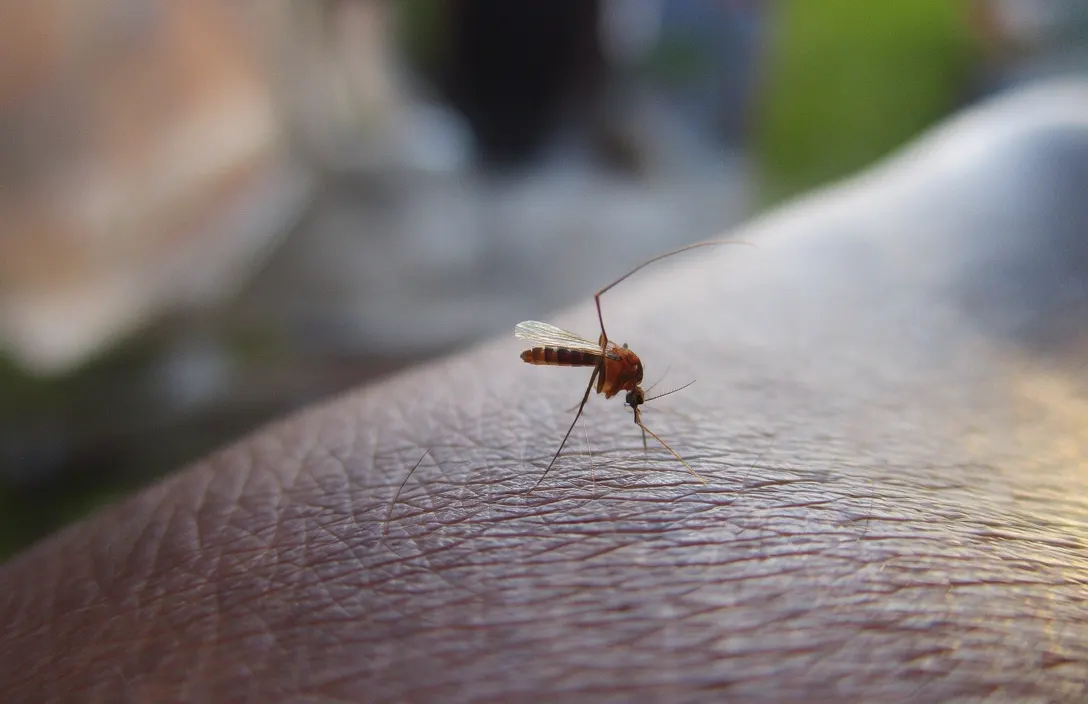

Researchers at the University of Maryland School of Medicine (UMSOM) and the Institute of Human Virology (IHV) have developed the first successful human challenge model for dengue serotype 4, a major advance that could speed the development of new drugs and vaccines against a strain of the dengue virus that remains difficult to study (source ID: 1). The study involved 14 participants who received a low-dose injection of the challenge virus, with each participant receiving 95 plaque-forming units of the virus, a very low dose by the standards of earlier dengue challenge studies. Participants were closely monitored for symptoms and housed in a local hotel to prevent the spread of the virus to mosquitoes. [1]
All 14 participants developed detectable virus in their blood and mild-to-moderate dengue symptoms, with the most common symptoms being rash and fatigue. The study also offered researchers a rare opportunity to examine how immunity develops and persists following dengue infection. The findings showed that the immune response generated by an initial DENV-4 exposure can provide durable, serotype-specific protection at least one year later (source ID: 1). [1]
The study is part of a broader effort to develop human challenge models for all four dengue serotypes. These models provide researchers with tools to investigate the distinct characteristics of each serotype and evaluate promising vaccine and therapeutic candidates before advancing them into larger clinical trials. The findings build on previous work developing human challenge models for dengue serotypes 1 and 3 (source ID: 1). [1]
Researchers at the University of Maryland School of Medicine (UMSOM) and the Institute of Human Virology (IHV) have developed the first successful human challenge model for dengue serotype 4, a major advance that could speed the development of new drugs and vaccines against a strain of the dengue virus that remains difficult to study (source ID: 1). The study involved 14 participants who received a low dose of the virus, with 95 plaque-forming units injected under the skin, significantly lower than the doses used in earlier dengue challenge studies. This approach allowed for close monitoring of the participants' health and ensured that the virus could not spread to local mosquitoes. [1]
Advertisement
All 14 participants developed detectable virus in their blood and mild-to-moderate dengue symptoms, with the most common symptoms being rash and fatigue. The study is part of a broader effort to develop human challenge models for all four dengue serotypes. The research team conducted extensive immunological and transcriptomic analyses to understand the body's response to both initial exposure and subsequent rechallenge. Following primary infection, participants demonstrated robust antibody responses, expansion of antibody-producing cells, and activation of antiviral genes (source ID: 1). [1]
The study also offered researchers a rare opportunity to examine how immunity develops and persists following dengue infection. Joel Chua, an associate professor at the Institute of Human Virology, noted that the findings provided insights into the immune system's response at the earliest time points after dengue exposure. Additionally, the research showed that the immune response generated by an initial DENV-4 exposure can provide durable, serotype-specific protection at least one year later (source ID: 1). [1]
The development of this model follows previous work on human challenge models for dengue serotypes 1 and 3. These models allow researchers to investigate the distinct characteristics of each serotype and evaluate promising vaccine and therapeutic candidates before advancing them into larger clinical trials. The findings are expected to help address longstanding gaps in the development of effective countermeasures against all four dengue serotypes (source ID: 1). [1]
Researchers at the University of Maryland School of Medicine (UMSOM) and the Institute of Human Virology (IHV) have developed the first successful human challenge model for dengue serotype 4, a major advance that could speed the development of new drugs and vaccines against a strain of the dengue virus that remains difficult to study (source ID: 1). The study involved 14 participants who received a low-dose injection of the virus, which resulted in detectable virus in their blood and mild-to-moderate symptoms such as rash and fatigue. [1]
Advertisement
The study provided researchers with a rare opportunity to examine how immunity develops and persists following dengue infection. Joel Chua, an Associate Professor of Medicine at the Institute of Human Virology, UMSOM, noted that the study allowed for new insights into the immune system's response at the earliest time points after dengue exposure (source ID: 1). The research also found evidence that the immune response generated by an initial DENV-4 exposure can provide durable, serotype-specific protection at least one year later. [1]
Dengue serotype 4 poses a particular challenge because it circulates slowly and unpredictably, sometimes with decades between outbreaks. Large field trials have not been able to measure how well vaccines work against it. The study, which ran between April 2022 and December 2023, involved participants who were closely monitored for symptoms and had regular blood draws (source ID: 1). The findings build on previous work developing human challenge models for dengue serotypes 1 and 3, providing additional tools to investigate the distinct characteristics of each serotype. [1]
Researchers at the University of Maryland School of Medicine (UMSOM) and the Institute of Human Virology (IHV) have developed the first successful human challenge model for dengue serotype 4, a major advance that could speed the development of new drugs and vaccines against a strain of the dengue virus that remains difficult to study (source ID: 1). The study involved 14 participants who received a low dose of the virus under the skin, and all of them developed detectable virus in their blood and mild-to-moderate dengue symptoms. The most common symptoms were rash and fatigue, which every participant developed, followed by headaches. [1]
The study also offered researchers a rare opportunity to examine how immunity develops and persists following dengue infection. Researchers conducted extensive immunological and transcriptomic analyses to better understand the body's response to both initial exposure and subsequent rechallenge. Following primary infection, participants demonstrated robust antibody responses, expansion of antibody-producing cells, and activation of antiviral genes (source ID: 1). [1]
Advertisement
Dengue serotype 4 poses a particular challenge because it circulates slowly and unpredictably, sometimes with decades between outbreaks. Large field trials have not been able to measure how well vaccines work against it. Recent Phase III trials of dengue vaccines could not produce reliable efficacy estimates for dengue serotype 4 (source ID: 1). Although the study involved a relatively small group of healthy adult volunteers and further research is needed, the results establish an important foundation for future dengue vaccine and antiviral development. [1]
Sources
Prepared with AI assistance from the cited sources.
The Cali Reporter newsletter
The stories worth your time.
California, the country, and what comes next. Join our free newsletter for reporting that keeps you informed.
More in Health & Medicine
- Understanding Fascia and the Evidence Behind Fascia Release
Fascia is a connective tissue that plays a structural role in the human body, but evidence supporting specific exercises or tools for 'fascia release' remains limited.
- Antidepressant Effectiveness and Long-Term Use
A new review suggests that some antidepressants may be more effective than others in helping people manage depression symptoms over the long term, according to a study published in The Lancet Psychiatry.
- Experimental Weight-Loss Drug Shows Promise for Knee Osteoarthritis Pain
A new study suggests that an experimental weight-loss drug, retatrutide, may significantly reduce knee pain in people with osteoarthritis and obesity.