Breakthrough in Childhood Brain Cancer Treatment Shows Promise in Mouse Trials
Scientists at UC San Francisco have developed a new immune cell therapy that successfully eliminated aggressive childhood brain cancer in mice, offering hope for future human trials.

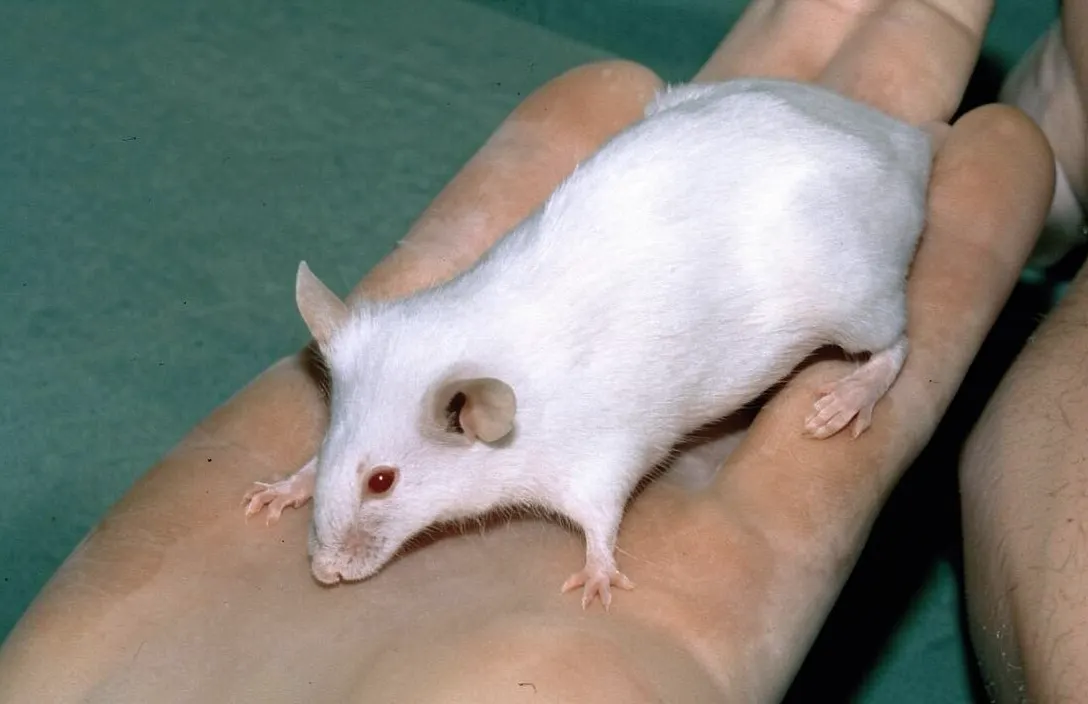
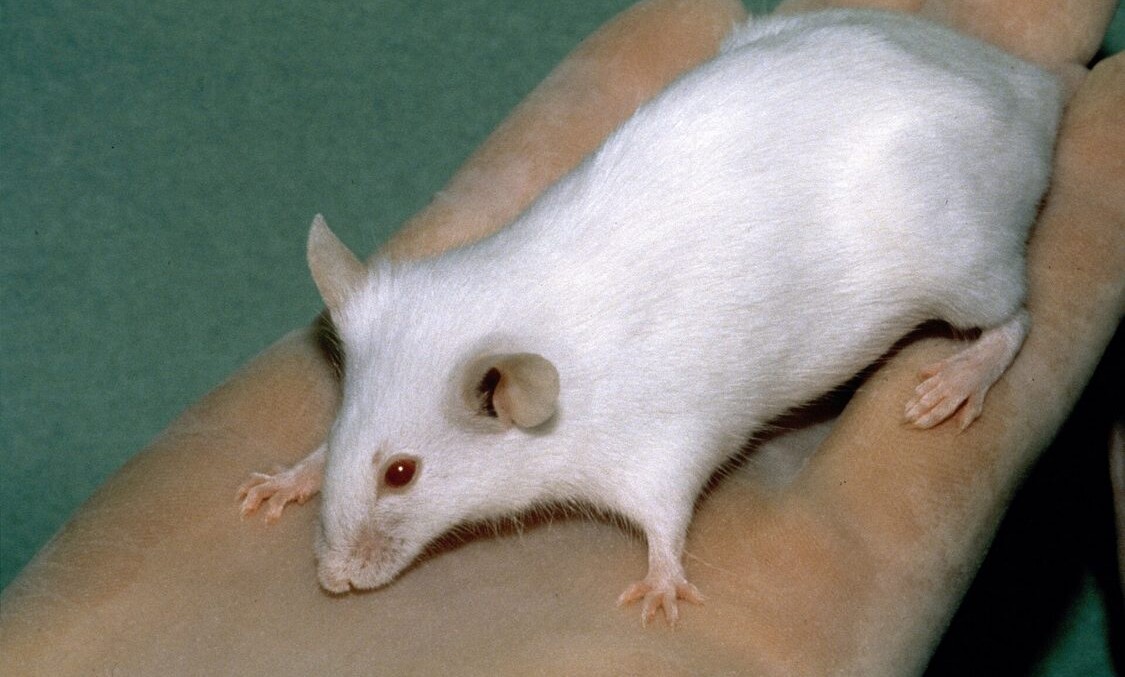
In experiments involving mice, scientists successfully eliminated an aggressive childhood brain cancer while also providing lasting protection. The scientists, from UC San Francisco, utilized a new type of immune cell therapy that activates only after entering the brain, allowing it to attack cancer while remaining inactive elsewhere in the body (source ID: 1). When researchers introduced cancer cells again several weeks later, the immune cells continued fighting and prevented new tumors from developing. The promising results were spoken of like a 'cure,' and have prompted scientists to rapidly prepare for clinical trials in humans at UCSF Health, potentially beginning as early as April 2027. [1]
The target of the experiments was diffuse midline glioma (DMG), described by one scientist involved in the project as a 'heartbreaking' diagnosis. Although the treatment has not yet been tested for effectiveness in humans, its ability to completely eliminate tumors and prevent their return in mice has generated considerable optimism (source ID: 1). DMG is among the most difficult childhood cancers to treat. It grows into the brainstem, a critical region that regulates breathing, heartbeat, and swallowing. Nearly all children diagnosed with the disease die within a year, and existing treatments have had little success in stopping its progression. [1]
The experimental therapy, called B-SYNC CAR-T, could offer a new way forward. Unlike conventional CAR-T treatments, which have struggled against brain tumors, these modified immune cells are programmed to activate their cancer-fighting machinery specifically within the brain (source ID: 1). The researchers first administered B-SYNC CAR-T cells in the bloodstream to mice implanted with human DMG cells. Arriving in the brain, they began producing the cancer-targeting CAR receptors and attacking tumor cells. Importantly, this activation appeared to occur only in the intended location. [1]
Scientists from UC San Francisco have successfully eliminated an aggressive childhood brain cancer, diffuse midline glioma (DMG), in mice using a new type of immune cell therapy called B-SYNC CAR-T (source ID 1). This experimental therapy activates only after entering the brain, allowing it to attack cancer while remaining inactive elsewhere in the body. When researchers introduced cancer cells again several weeks later, the immune cells continued fighting and prevented new tumors from developing. The promising results have generated considerable optimism and prompted scientists to rapidly prepare for clinical trials in humans at UCSF Health, potentially beginning as early as April 2027. [1]
Advertisement
DMG is among the most difficult childhood cancers to treat, as it grows into the brainstem, a critical region that regulates breathing, heartbeat, and swallowing. Nearly all children diagnosed with the disease die within a year, and existing treatments have had little success in stopping its progression (source ID 1). The experimental therapy, B-SYNC CAR-T, could offer a new way forward. Unlike conventional CAR-T treatments, which have struggled against brain tumors, these modified immune cells are programmed to activate their cancer-fighting machinery specifically within the brain. [1]
The scientists redesigned a previously tested molecular sensing system called synNotch so that it would trigger CAR production only when it encountered brevican, a protein naturally distributed throughout the brain (source ID 1). Once activated, these B-SYNC CAR-T cells could search for cancer cells carrying two tumor-associated proteins called EphA2 and IL13Rα2. This meant the engineered immune cells no longer depended on a tumor-specific mutation to become active. Instead, they used a protein associated with the brain itself as the signal to begin their attack. [1]
Scientists from UC San Francisco have successfully eliminated an aggressive childhood brain cancer, diffuse midline glioma (DMG), in mice using a new type of immune cell therapy called B-SYNC CAR-T (source ID 1). DMG is among the most difficult childhood cancers to treat, as it grows into the brainstem, a critical region that regulates breathing, heartbeat, and swallowing. The scientists redesigned a previously tested molecular sensing system called synNotch so that it would trigger CAR production only when it encountered brevican, a protein naturally distributed throughout the brain (source ID 1). [1]
The experimental therapy, called B-SYNC CAR-T, could offer a new way forward. Unlike conventional CAR-T treatments, which have struggled against brain tumors, these modified immune cells are programmed to activate their cancer-fighting machinery specifically within the brain (source ID 1). This targeted activation allows the therapy to attack cancer while remaining inactive elsewhere in the body, reducing the risk of harmful side effects (source ID 1). [1]
Advertisement
When researchers introduced cancer cells again several weeks later, the immune cells continued fighting and prevented new tumors from developing. This finding suggests that B-SYNC CAR-T not only eliminates existing tumors but also provides lasting protection against cancer recurrence (source ID 1). The promising results have prompted scientists to rapidly prepare for clinical trials in humans at UCSF Health, potentially beginning as early as April 2027 (source ID 1). [1]
Sources
Prepared with AI assistance from the cited sources.
The Cali Reporter newsletter
The stories worth your time.
California, the country, and what comes next. Join our free newsletter for reporting that keeps you informed.
More in Good News
- Black Mapmaking as a Tool for Reclaiming History and Fighting Injustice
Black mapmakers and artists are using cartography to counteract historical erasure and combat systemic racism, as evidenced by various projects across the United States.
- Observing Animal Behavior in the Intertidal Zone
A biology professor shares insights on how paying attention to natural sounds and movements can reveal animal secrets, particularly in the intertidal zone.
- Grandfather Rescues Lost Toddler in Arizona Desert
An Arizona grandfather played a pivotal role in rescuing a missing toddler during a cold desert night, according to local news reports.