Brain Imaging Reveals Neural Changes Linked to Acceptance and Commitment Therapy in Depression
A study published in Brain Imaging and Behavior explores how Acceptance and Commitment Therapy (ACT) alters brain activity in individuals with major depressive disorder, providing new biological insights into its…

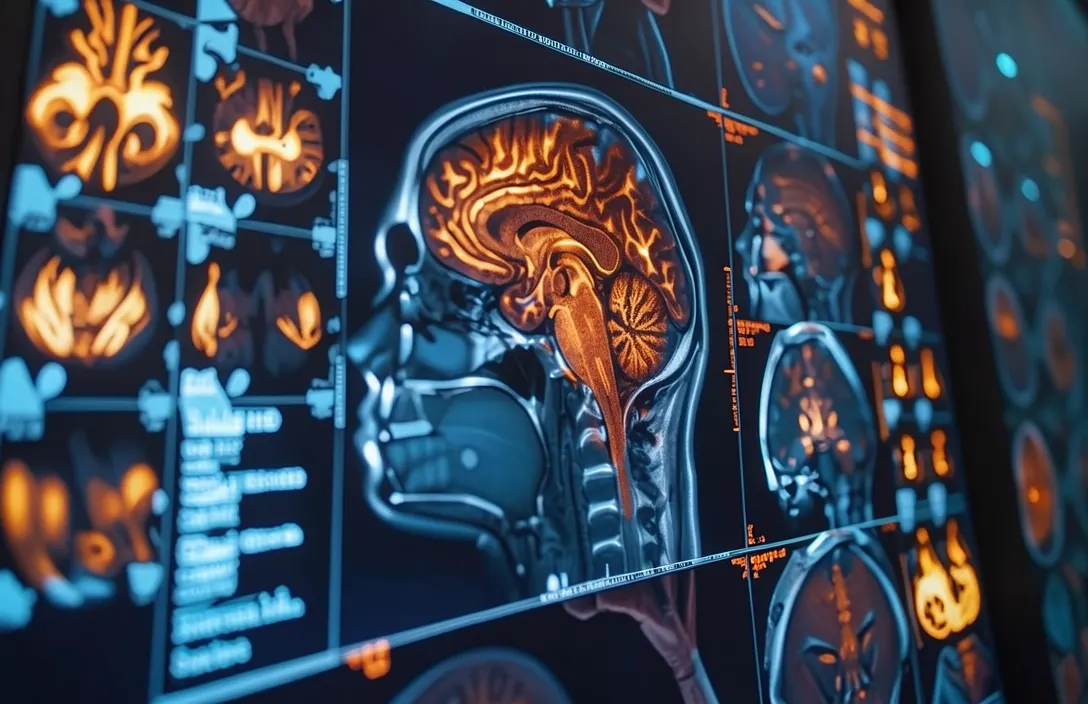

A study conducted by researchers from Kyungpook National University investigated the effects of Acceptance and Commitment Therapy (ACT) on brain activity in individuals with major depressive disorder. The research team, including Sang Won Lee, Seungho Kim, Hyunsoo Kim, Yongmin Chang, and Seung Jae Lee, recruited 42 adults diagnosed with the condition and divided them into two groups. Half of the participants received an eight-week group-based ACT program, while the other 21 were placed on a waitlist for comparison purposes. All participants underwent clinical evaluations and functional magnetic resonance imaging (fMRI) scans before and after the intervention (Evidence ID: 1). [1]
The fMRI scans revealed that participants who completed the ACT program showed increased activation in the medial prefrontal cortex and the anterior cingulate cortex. These brain regions are responsible for emotional regulation and processing conflicting information. In individuals with depression, these areas often display reduced activity. The study found that increased activation in these regions correlated with a reduction in depressive symptoms and obsessive thoughts. Additionally, the therapy group exhibited lower levels of cognitive fusion and experiential avoidance compared to their baseline scores (Evidence ID: 1). [1]
The study also noted enhanced neural connectivity between the medial prefrontal cortex and the posterior cingulate cortex, which are part of the brain’s default mode network. This network is typically associated with rumination in depression. The research found that stronger communication between these areas correlated with lower scores on a rumination questionnaire. These findings suggest that ACT may help individuals break out of repetitive, negative thought patterns by strengthening these neural pathways (Evidence ID: 1). [1]
A study conducted by researchers from Kyungpook National University investigated the effects of Acceptance and Commitment Therapy (ACT) on brain activity in individuals with major depressive disorder. The fMRI scans revealed that participants who completed the ACT program showed increased activation in the medial prefrontal cortex and the anterior cingulate cortex. This finding is supported by evidence from PsyPost: Relationships (Source ID 1), which indicates that ACT is associated with changes in brain activity in areas responsible for emotional regulation. These brain regions are known to play a key role in managing attention and emotional responses, which are often impaired in individuals with depression. [1]
Advertisement
The study also noted enhanced neural connectivity between the medial prefrontal cortex and the posterior cingulate cortex, which are part of the brain’s default mode network. According to PsyPost: Relationships (Source ID 1), the default mode network is typically associated with rumination in depression, and stronger communication between these brain regions correlated with lower scores on a rumination questionnaire. This suggests that ACT may help individuals break out of repetitive, negative thought loops by strengthening this neural pathway. The research team observed these changes in participants who completed an eight-week group-based ACT program, as detailed in the source material. [1]
The behavioral results showed that the therapy group experienced distinct improvements, including reduced severity of depressive symptoms and lower levels of cognitive fusion and experiential avoidance. These findings align with the evidence from PsyPost: Relationships (Source ID 1), which highlights that the therapy group showed reduced emotional intensity and faster reaction times during the scanner task. The waitlist control group did not display these behavioral improvements, remaining relatively unchanged from their initial tests. These results provide biological context for how ACT works, although the study acknowledges limitations such as the use of a waitlist control group and the potential influence of ongoing antidepressant medication. [1]
A study conducted by researchers from Kyungpook National University investigated the effects of Acceptance and Commitment Therapy (ACT) on brain activity in individuals with major depressive disorder. The fMRI scans revealed that participants who completed the ACT program showed increased activation in the medial prefrontal cortex and the anterior cingulate cortex (source ID: 1). These brain regions are critical for emotional regulation and attention, which are often impaired in individuals with depression. The study also noted enhanced neural connectivity between the medial prefrontal cortex and the posterior cingulate cortex, which are part of the brain’s default mode network (source ID: 1). [1]
The behavioral results showed that the therapy group experienced distinct improvements, including reduced severity of depressive symptoms and lower levels of cognitive fusion and experiential avoidance (source ID: 1). Participants who completed the eight-week program reported a reduction in the severity of their depressive symptoms. They also displayed lower levels of cognitive fusion and experiential avoidance compared to their baseline scores. During the imaginary accident task, the therapy group showed reduced emotional intensity and reacted faster to the negative prompts (source ID: 1). [1]
Advertisement
The brain imaging data provided a biological mirror for these psychological changes. The researchers observed increased activation in two specific brain regions among the therapy group: the medial prefrontal cortex and the anterior cingulate cortex (source ID: 1). These regions are typically underactive in individuals with depression, and the therapy program appeared to boost activity in these regulatory centers. The researchers noted that higher activity in these areas correlated with a drop in depressive symptoms and obsessive thoughts (source ID: 1). [1]
A study conducted by researchers from Kyungpook National University investigated the effects of Acceptance and Commitment Therapy (ACT) on brain activity in individuals with major depressive disorder. The fMRI scans revealed that participants who completed the ACT program showed increased activation in the medial prefrontal cortex and the anterior cingulate cortex (source ID: 1). These brain regions are crucial for managing attention, emotional responses, and processing conflicting information, which are often impaired in individuals with depression. [1]
The behavioral results showed that the therapy group experienced distinct improvements, including reduced severity of depressive symptoms and lower levels of cognitive fusion and experiential avoidance (source ID: 1). During psychological tasks designed to trigger cognitive fusion, the therapy group displayed reduced emotional intensity and faster reaction times compared to their baseline scores. These behavioral changes aligned with the observed increases in brain activity in emotion-regulating regions, indicating a potential link between neural and psychological outcomes. [1]
The brain imaging data provided a biological mirror for these psychological changes, showing enhanced neural connectivity between the medial prefrontal cortex and the posterior cingulate cortex, which are part of the brain’s default mode network (source ID: 1). The default mode network is typically associated with rumination in depression, but the study found that stronger communication between these regions correlated with lower scores on a rumination questionnaire. This suggests that ACT may help individuals break out of repetitive, negative thought patterns by altering neural pathways. [1]
Advertisement
The Cali Reporter newsletter
The stories worth your time.
California, the country, and what comes next. Join our free newsletter for reporting that keeps you informed.
More in Relationships
- Screen vs. Print: How Executive Functions Influence Word Learning in Preschoolers
A new study explores how preschoolers learn new words from print and digital books, revealing that individual differences in executive functions significantly influence comprehension outcomes.
- Smartphone Use and ADHD-Like Symptoms in Adolescents
A study published in the Journal of Affective Disorders found that problematic smartphone use among adolescents is associated with increased ADHD-like symptoms, particularly in late adolescence.
- Lack of Assertiveness and Hostility Linked to Depression Over 23 Years
A long-term study of Swedish twins found that lack of assertiveness and hostility are both associated with increased depressive symptoms over time, though some links may be influenced by shared genetic factors.