Brain Damage and Empathy Motivation: A Study on Ventromedial Prefrontal Cortex Lesions
A recent study suggests that damage to the ventromedial prefrontal cortex (vmPFC) does not necessarily reduce a person's motivation to empathize, challenging previous assumptions about the relationship between brain…

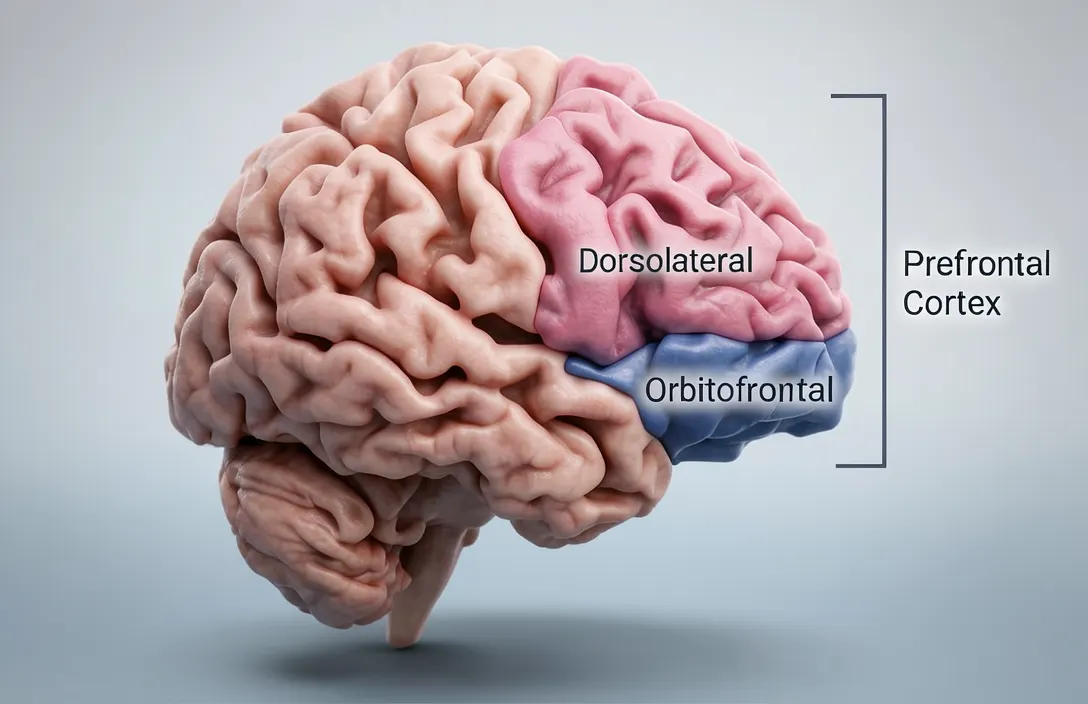
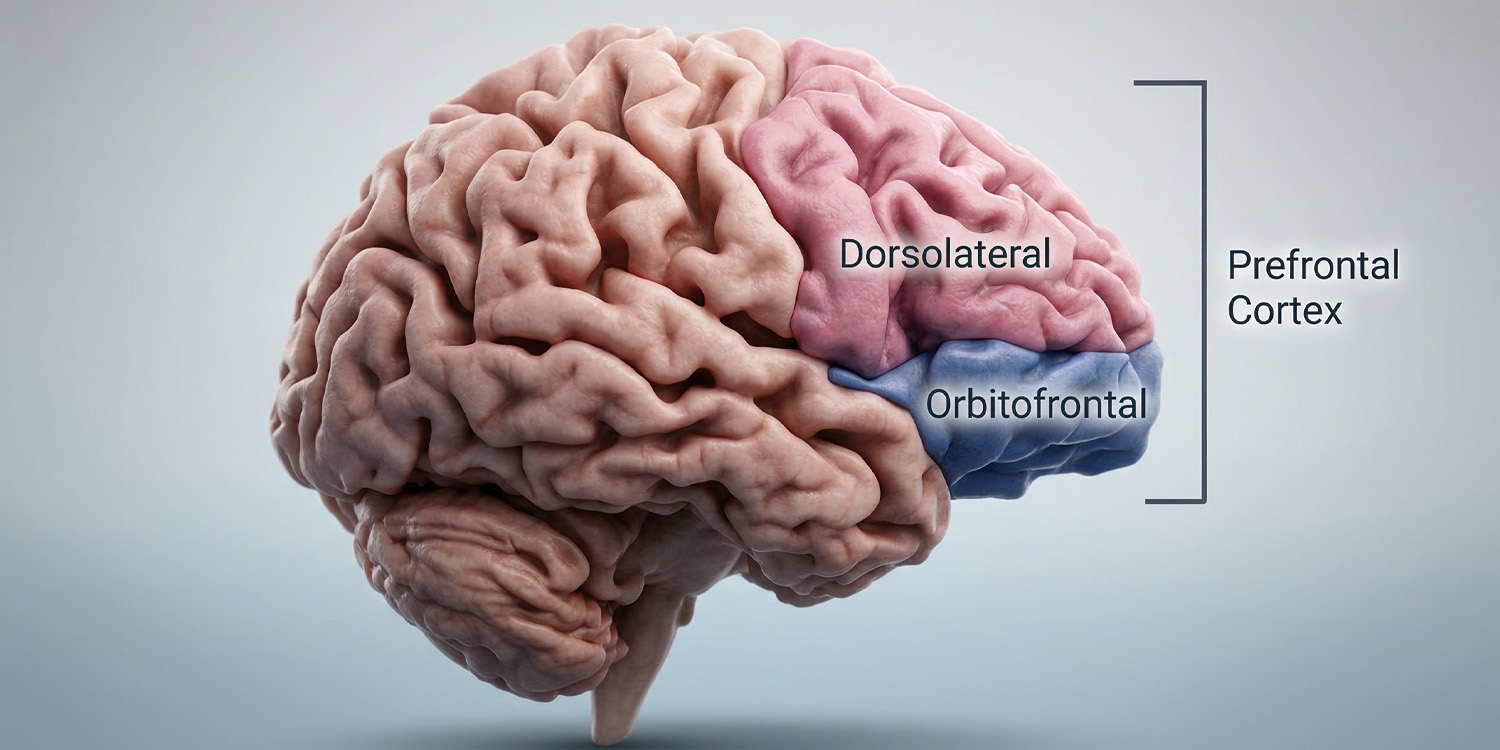
A study published in Social Cognitive and Affective Neuroscience investigated the impact of localized damage to the ventromedial prefrontal cortex (vmPFC) on empathy motivation. The research found that individuals with vmPFC injuries opted into empathy-inducing tasks in a laboratory setting just as often as healthy adults and patients with injuries elsewhere in the brain. This suggests that injury to this region does not necessarily diminish a person’s willingness to step into another’s shoes. The vmPFC is a brain region located at the bottom middle of the frontal lobes, and damage here can trigger dramatic shifts in personality and social judgment while sparing intelligence, memory, and speech (1). [1]
The study compared 13 patients with vmPFC damage to two control groups: 13 brain-damaged patients whose injuries spared the vmPFC and 16 healthy adults. Participants completed two tasks designed to measure affective and cognitive empathy. The results showed no statistically significant differences in how often participants selected empathy-inducing options across the groups. In the affective task, patients with vmPFC damage chose the empathy deck on 47 percent of trials, compared to 44 percent for the brain-damaged comparison group and 37 percent for healthy adults. Similar results were observed in the cognitive task (1). [1]
Despite these findings, the researchers noted that patients with vmPFC damage may struggle with everyday empathy due to difficulties in recognizing emotions rather than a lack of motivation. The study also found that participants overall rated empathy tasks as more effortful than non-empathy tasks, but patients with vmPFC damage did not find them more costly than comparison groups. The authors suggest that damage to the vmPFC may blunt emotion-recognition processes that make sharing someone’s distress feel demanding, which could explain why empathy feels less effortful after such injuries (1). [1]
The researchers emphasized the importance of distinguishing between empathy ability and motivation, noting that individuals with vmPFC damage may retain the willingness to empathize but struggle to deploy it effectively. This distinction has implications for clinical profiles and caregiving, as it highlights different reasons for empathy deficits. The study, however, acknowledges limitations, including the structured nature of the laboratory tasks and the small sample size, which may have limited the ability to detect subtler motivational shifts (1). [1]
Advertisement
A study published in Social Cognitive and Affective Neuroscience investigated the impact of localized damage to the ventromedial prefrontal cortex (vmPFC) on empathy motivation. The study compared 13 patients with vmPFC damage to two control groups: 13 brain-damaged patients whose injuries spared the vmPFC and 16 healthy adults. The researchers found that patients with vmPFC damage opted into empathy-inducing tasks in a laboratory setting just as often as healthy adults and patients with injuries elsewhere in the brain (1). [1]
The study suggested that injury to the vmPFC does not necessarily diminish a person’s willingness to step into another’s shoes. Instead, everyday empathy struggles after such injuries may stem from trouble reading emotions rather than avoiding empathy (1). The ventromedial prefrontal cortex is a region of brain tissue at the bottom middle of the frontal lobes, sitting behind the forehead and above the eye sockets. Injury here from trauma, stroke, or tumor removal can trigger dramatic shifts in personality and social judgment while sparing intelligence, memory, and speech (1). [1]
Modern cases, such as a man known in medical literature by the initials EVR whose personality shifted dramatically after surgery to remove a frontal brain tumor, showed similar social detachment that clinicians have compared to psychopathic traits (1). Empathy involves identifying, sharing, and understanding another person’s emotional experiences. Patients with localized areas of tissue damage, known as lesions, in the ventromedial prefrontal cortex often struggle to recognize fear or disgust on faces, hear emotion in a speaker’s voice, or mount normal bodily stress responses to someone’s pain (1). [1]
The ventromedial prefrontal cortex (vmPFC) is a region of brain tissue located at the bottom middle of the frontal lobes, behind the forehead and above the eye sockets. Injury here from trauma, stroke, or tumor removal can trigger dramatic shifts in personality and social judgment while sparing intelligence, memory, and speech. Since the nineteenth-century case of railroad worker Phineas Gage, who survived an iron rod passing through his skull, clinicians have observed that damage here often leaves people indifferent to social norms and others’ feelings. Modern cases, such as a man known in medical literature by the initials EVR whose personality shifted dramatically after surgery to remove a frontal brain tumor, showed similar social detachment that clinicians have compared to psychopathic traits (1). [1]
Advertisement
Empathy involves identifying, sharing, and understanding another person’s emotional experiences. Patients with localized areas of tissue damage, known as lesions, in the ventromedial prefrontal cortex often struggle to recognize fear or disgust on faces, hear emotion in a speaker’s voice, or mount normal bodily stress responses to someone’s pain. In a 2018 experiment co-authored by Professor Daniel Tranel, senior author and researcher on the new study, comparison participants shared more money in an economic game after overhearing a partner describe a personal tragedy, whereas patients with ventromedial prefrontal damage did not (1). [1]
The study, “Is damage to the ventromedial prefrontal cortex associated with impaired empathy? A neuropsychological study using an empathy motivation task,” was authored by Julian A. Scheffer, Justin Reber, C. Daryl Cameron, and Daniel Tranel. The researchers preregistered their hypotheses and analysis plan during data collection and posted their data and code publicly online. Their broader preregistered project also recruited patients with damage to the amygdala, an almond-shaped brain structure involved in emotion, whose results, reported separately by the same team in the journal Brain, similarly showed intact empathy motivation (1). [1]
Sources
Prepared with AI assistance from the cited sources.
The Cali Reporter newsletter
The stories worth your time.
California, the country, and what comes next. Join our free newsletter for reporting that keeps you informed.
More in Relationships
- Screen vs. Print: How Executive Functions Influence Word Learning in Preschoolers
A new study explores how preschoolers learn new words from print and digital books, revealing that individual differences in executive functions significantly influence comprehension outcomes.
- Smartphone Use and ADHD-Like Symptoms in Adolescents
A study published in the Journal of Affective Disorders found that problematic smartphone use among adolescents is associated with increased ADHD-like symptoms, particularly in late adolescence.
- Lack of Assertiveness and Hostility Linked to Depression Over 23 Years
A long-term study of Swedish twins found that lack of assertiveness and hostility are both associated with increased depressive symptoms over time, though some links may be influenced by shared genetic factors.