Brain Cell Networks Change During Cocaine Habit Formation
A study on mice reveals that brain cell networks involved in cocaine use expand and then shrink as the habit forms, suggesting a dynamic process in addiction.

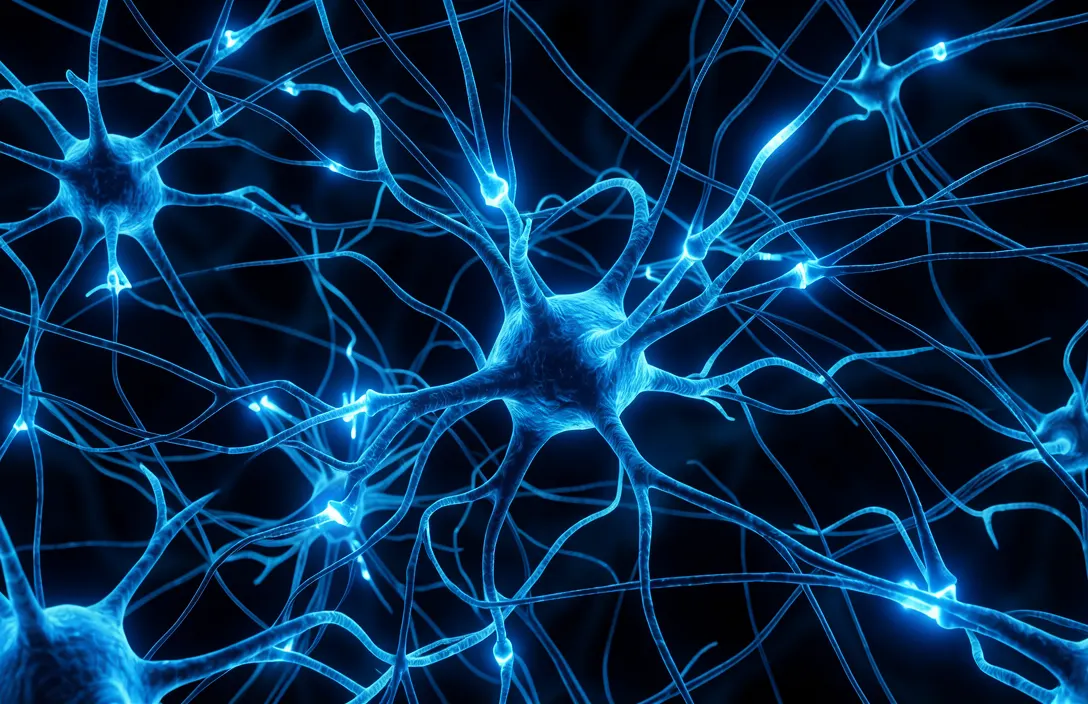
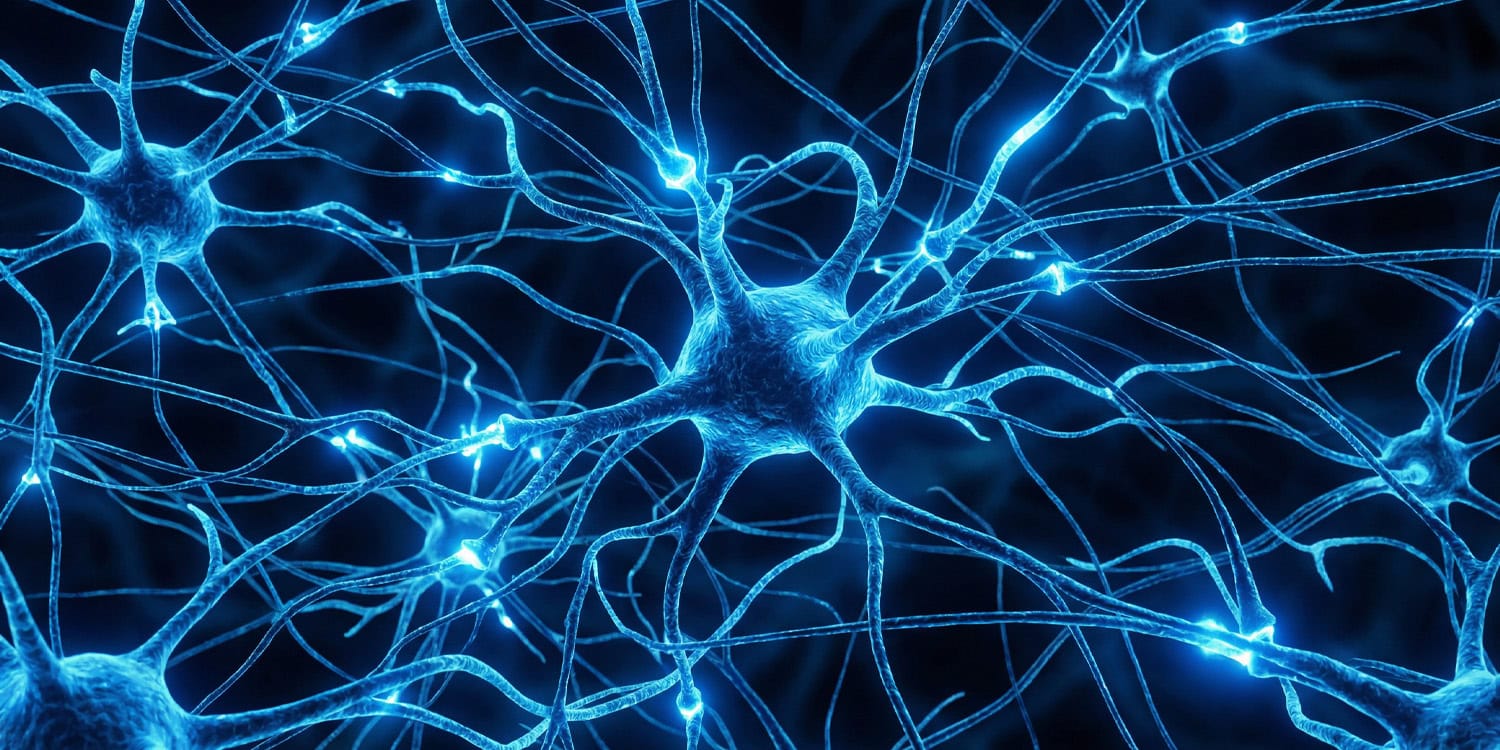
A study published in The Journal of Neuroscience found that as mice learn to self-administer cocaine, the brain cell network managing this behavior initially expands before shrinking as the habit solidifies. This research was conducted by scientists at the University of Pittsburgh, who trained male mice to self-administer cocaine by pressing a lever inside a specialized chamber (1). [1]
The mice were placed in the chambers during a specific four-hour window each day to minimize behavioral differences caused by their natural sleep and wake cycles. If a mouse pressed the active lever, it received a small dose of cocaine accompanied by a flashing light and an auditory tone (1). [1]
To track brain activity, the researchers used calcium imaging, a technique that involves injecting a special virus into the nucleus accumbens to cause medium spiny neurons to emit a fluorescent glow when they fire an electrical signal. This allowed the team to record the glowing brain cells in real time while the mice moved around and pressed the drug-dispensing lever (1). [1]
The researchers observed that the number of brain cells firing in response to the lever press increased rapidly during the first few days of training. However, as the drug-seeking behavior became an ingrained habit around day seven, the trend reversed, with the total number of active cells gradually decreasing back to baseline levels (1). [1]
Advertisement
A study published in The Journal of Neuroscience found that as mice learn to self-administer cocaine, the brain cell network managing this behavior initially expands before shrinking as the habit solidifies (source ID: 1). Researchers trained male mice to self-administer cocaine by pressing a lever inside a specialized chamber. Over the course of 11 days, the mice spent two hours each day in the chamber. The mice were placed in the chambers during a specific four-hour window each day to minimize behavioral differences caused by their natural sleep and wake cycles (source ID: 1). [1]
To track brain activity, the researchers used calcium imaging, a technique that involves injecting a special virus into the nucleus accumbens to cause medium spiny neurons to emit a fluorescent glow when they fire an electrical signal (source ID: 1). The researchers surgically implanted a tiny glass cylinder into the brain tissue and attached miniature microscopes to the animals’ heads. This equipment allowed them to record the glowing brain cells in real time while the mice moved around and pressed the drug-dispensing lever (source ID: 1). [1]
The researchers observed distinct changes in the animals’ actions as the 11-day period progressed. They used an artificial intelligence program to track specific points on the animals’ bodies, mapping their exact walking paths. Early in the training, the mice wandered randomly before finding and pressing the active lever. Their paths were irregular and unpredictable. By the end of the trial, the mice developed highly stereotyped movement patterns (source ID: 1). [1]
A study published in The Journal of Neuroscience found that as mice learn to self-administer cocaine, the brain cell network managing this behavior initially expands before shrinking as the habit solidifies (source ID: 1). The researchers trained male mice to self-administer cocaine by pressing a lever inside a specialized chamber. Over the course of 11 days, the mice spent two hours each day in the chamber. The mice were placed in the chambers during a specific four-hour window each day to minimize behavioral differences caused by their natural sleep and wake cycles (source ID: 1). [1]
Advertisement
To track brain activity, the researchers used calcium imaging, a technique that involves injecting a special virus into the nucleus accumbens to cause medium spiny neurons to emit a fluorescent glow when they fire an electrical signal (source ID: 1). The researchers surgically implanted a tiny glass cylinder into the brain tissue and attached miniature microscopes to the animals’ heads. This equipment allowed them to record the glowing brain cells in real time while the mice moved around and pressed the drug-dispensing lever (source ID: 1). [1]
The researchers observed distinct changes in the animals’ actions as the 11-day period progressed. They used an artificial intelligence program to track specific points on the animals’ bodies, mapping their exact walking paths. Early in the training, the mice wandered randomly before finding and pressing the active lever. Their paths were irregular and unpredictable. By the end of the trial, the mice developed highly stereotyped movement patterns. They took direct, efficient paths to the lever, pressed it at regular intervals, and engaged in repetitive circular movements around the chamber between doses (source ID: 1). [1]
The study observed that as mice learned to self-administer cocaine, the brain cell network managing this behavior initially expanded before shrinking as the habit solidified (source ID: 1). The mice were placed in the chambers during a specific four-hour window each day to minimize behavioral differences caused by their natural sleep and wake cycles (source ID: 1). The researchers used calcium imaging to track brain activity, injecting a special virus into the nucleus accumbens to cause medium spiny neurons to emit a fluorescent glow when they fired an electrical signal (source ID: 1). [1]
Over the course of 11 days, the mice spent two hours each day in the chamber, and the researchers observed distinct changes in the animals’ actions as the period progressed (source ID: 1). They used an artificial intelligence program to track specific points on the animals’ bodies, mapping their exact walking paths. Early in the training, the mice wandered randomly before finding and pressing the active lever, with their paths being irregular and unpredictable (source ID: 1). [1]
Advertisement
By the end of the trial, the mice developed highly stereotyped movement patterns, taking direct, efficient paths to the lever, pressing it at regular intervals, and engaging in repetitive circular movements around the chamber between doses (source ID: 1). A control group of mice was trained to seek sugar water instead of cocaine, and these mice learned to press the lever but did not develop the hyperactive, repetitive circular movement patterns seen in the drug group (source ID: 1). [1]
The brain imaging data revealed a matching shift in cellular activity. The scientists used a statistical tool called mutual information to filter out random background brain activity, isolating the exact neurons that fired precisely within the five seconds after a mouse pressed the lever (source ID: 1). The researchers noted that the intensity of the individual glowing cells remained stable throughout the experiment, with the network evolving by recruiting more cells and then shedding them, rather than by making the existing cells fire more powerfully (source ID: 1). [1]
Sources
Prepared with AI assistance from the cited sources.
The Cali Reporter newsletter
The stories worth your time.
California, the country, and what comes next. Join our free newsletter for reporting that keeps you informed.
More in Relationships
- Screen vs. Print: How Executive Functions Influence Word Learning in Preschoolers
A new study explores how preschoolers learn new words from print and digital books, revealing that individual differences in executive functions significantly influence comprehension outcomes.
- Smartphone Use and ADHD-Like Symptoms in Adolescents
A study published in the Journal of Affective Disorders found that problematic smartphone use among adolescents is associated with increased ADHD-like symptoms, particularly in late adolescence.
- Lack of Assertiveness and Hostility Linked to Depression Over 23 Years
A long-term study of Swedish twins found that lack of assertiveness and hostility are both associated with increased depressive symptoms over time, though some links may be influenced by shared genetic factors.