ATRX Gene Mutation Linked to Aggressive Sarcoma Behavior
A study by researchers at The University of Texas MD Anderson Cancer Center suggests that the loss of the ATRX gene in sarcomas may be associated with more aggressive tumor behavior and could serve as a potential…

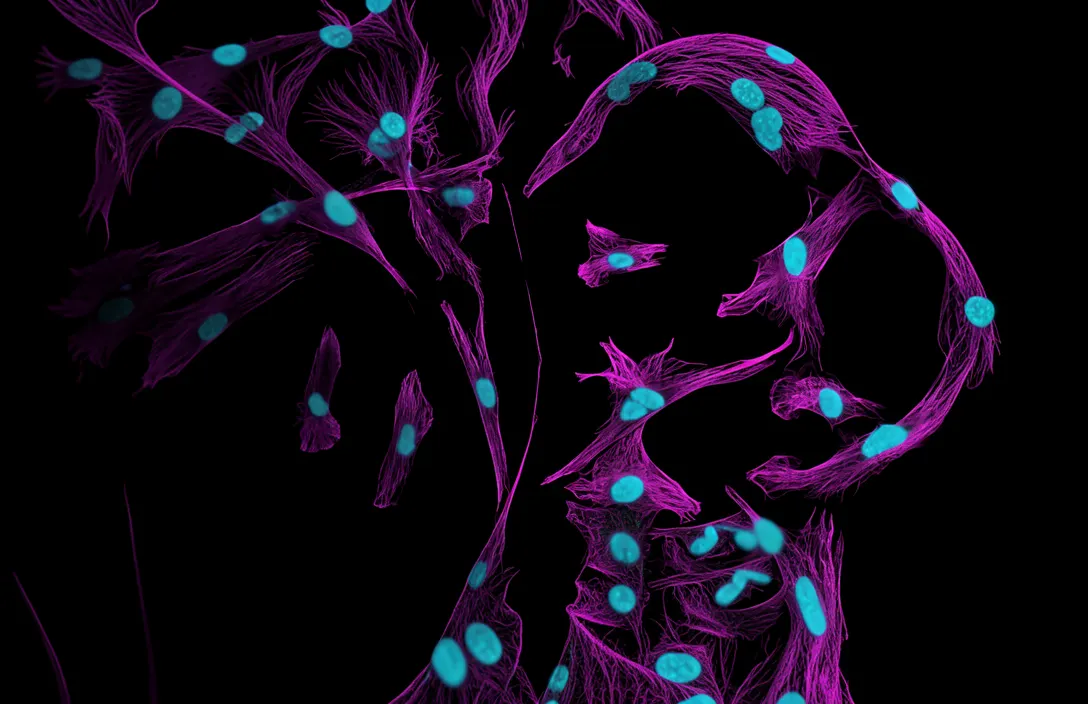

Researchers at The University of Texas MD Anderson Cancer Center have identified that sarcomas lacking the ATRX gene tend to be more aggressive and may be particularly vulnerable to a class of targeted therapies known as TEAD inhibitors (1). This finding, published in The Journal of Clinical Investigation, highlights ATRX loss as both a marker of poor prognosis and a potential therapeutic target. The ATRX protein normally helps organize chromatin, the tightly packed complex of DNA and proteins that forms chromosomes (1). [1]
Tumor samples from patients with various sarcoma subtypes were analyzed, revealing that ATRX loss was present in more than half of uterine leiomyosarcomas and in a substantial proportion of other sarcoma subtypes (1). Across multiple sarcoma types, loss of ATRX was associated with poorer outcomes, suggesting it may serve as a biomarker for more aggressive disease (1). Preclinical models confirmed that ATRX loss changes how sarcoma cells grow and behave, with tumors lacking ATRX growing faster and showing increased genomic instability (1). [1]
Further investigation revealed that ATRX loss alters chromatin states, resulting in activation of a signaling pathway involving PRDM4, YAP1, and TEAD proteins (1). This pathway promotes cancer cell growth and survival and appears to play a central role in driving the aggressive behavior of ATRX-deficient tumors (1). Because ATRX-deficient tumors appeared to depend on YAP1-TEAD signaling, the researchers tested whether blocking this pathway could slow tumor growth (1). [1]
ATRX-deficient sarcoma cells and tumor models responded better to the investigational TEAD inhibitors VT103 and IAG933 than tumors with intact ATRX (1). Treatment reduced tumor growth and decreased activation of TEAD-controlled genes (1). These findings suggest ATRX loss may create a therapeutic vulnerability that could be targeted with TEAD inhibition, providing a potential new treatment strategy for patients with ATRX-deficient sarcomas (1). [1]
Advertisement
Researchers at The University of Texas MD Anderson Cancer Center have discovered that sarcomas lacking the ATRX gene tend to be more aggressive and may be particularly vulnerable to a class of targeted therapies known as TEAD inhibitors (1). The findings identify ATRX loss as both a marker of poor prognosis and a potential therapeutic target. The study, published in The Journal of Clinical Investigation, was led by Kunal Rai, Ph.D., professor of genomic medicine. [1]
The ATRX protein normally works to help organize chromatin, the tightly packed complex of DNA and proteins that forms chromosomes (1). To better understand the role of ATRX alterations in sarcoma, researchers evaluated tumor samples from patients with soft tissue and uterine leiomyosarcoma, undifferentiated pleomorphic sarcoma and dedifferentiated liposarcoma. ATRX loss was present in more than half of uterine leiomyosarcomas and in a substantial proportion of other sarcoma subtypes. [1]
Further investigation revealed that ATRX loss alters chromatin states, resulting in activation of a signaling pathway involving PRDM4, YAP1, and TEAD proteins (1). This pathway promotes cancer cell growth and survival, and it appears to play a central role in driving the aggressive behavior of ATRX-deficient tumors. [1]
Because ATRX-deficient tumors appeared to depend on YAP1-TEAD signaling, the researchers tested whether blocking this pathway could slow tumor growth (1). ATRX-deficient sarcoma cells and tumor models responded better to the investigational TEAD inhibitors VT103 and IAG933 than tumors with intact ATRX. Treatment reduced tumor growth and decreased activation of TEAD-controlled genes. [1]
Advertisement
Researchers at The University of Texas MD Anderson Cancer Center have discovered that sarcomas lacking the ATRX gene tend to be more aggressive and may be particularly vulnerable to a class of targeted therapies known as TEAD inhibitors (1). The findings identify ATRX loss as both a marker of poor prognosis and a potential therapeutic target (1). The study, published in The Journal of Clinical Investigation, was led by Kunal Rai, Ph.D., professor of genomic medicine (1). [1]
The ATRX protein normally works to help organize chromatin, the tightly packed complex of DNA and proteins that forms chromosomes (1). Further investigation revealed that ATRX loss alters chromatin states, resulting in activation of a signaling pathway involving PRDM4, YAP1, and TEAD proteins (1). Because ATRX-deficient tumors appeared to depend on YAP1-TEAD signaling, the researchers tested whether blocking this pathway could slow tumor growth (1). [1]
ATRX-deficient sarcoma cells and tumor models responded better to the investigational TEAD inhibitors VT103 and IAG933 than tumors with intact ATRX (1). Treatment reduced tumor growth and decreased activation of TEAD-controlled genes (1). These findings suggest ATRX loss may create a therapeutic vulnerability that could be targeted with TEAD inhibition, providing a potential new treatment strategy for patients with ATRX-deficient sarcomas (1). [1]
Researchers at The University of Texas MD Anderson Cancer Center have identified that sarcomas lacking the ATRX gene tend to be more aggressive and may be particularly vulnerable to a class of targeted therapies known as TEAD inhibitors (1). Tumor samples from patients with various sarcoma subtypes were analyzed, revealing that ATRX loss was present in more than half of uterine leiomyosarcomas and in a substantial proportion of other sarcoma subtypes (1). Further investigation revealed that ATRX loss alters chromatin states, resulting in activation of a signaling pathway involving PRDM4, YAP1, and TEAD proteins (1). [1]
Advertisement
The ATRX protein normally works to help organize chromatin, the tightly packed complex of DNA and proteins that forms chromosomes (1). Further investigation revealed that ATRX loss alters chromatin states, resulting in activation of a signaling pathway involving PRDM4, YAP1, and TEAD proteins (1). Because ATRX-deficient tumors appeared to depend on YAP1-TEAD signaling, the researchers tested whether blocking this pathway could slow tumor growth (1). [1]
ATRX-deficient sarcoma cells and tumor models responded better to the investigational TEAD inhibitors VT103 and IAG933 than tumors with intact ATRX (1). These findings suggest ATRX loss may create a therapeutic vulnerability that could be targeted with TEAD inhibition, providing a potential new treatment strategy for patients with ATRX-deficient sarcomas (1). [1]
Sources
Prepared with AI assistance from the cited sources.
The Cali Reporter newsletter
The stories worth your time.
California, the country, and what comes next. Join our free newsletter for reporting that keeps you informed.
More in Health & Medicine
- Understanding Fascia and the Evidence Behind Fascia Release
Fascia is a connective tissue that plays a structural role in the human body, but evidence supporting specific exercises or tools for 'fascia release' remains limited.
- Antidepressant Effectiveness and Long-Term Use
A new review suggests that some antidepressants may be more effective than others in helping people manage depression symptoms over the long term, according to a study published in The Lancet Psychiatry.
- Experimental Weight-Loss Drug Shows Promise for Knee Osteoarthritis Pain
A new study suggests that an experimental weight-loss drug, retatrutide, may significantly reduce knee pain in people with osteoarthritis and obesity.