Antarctic Blue Whale Population Surpasses Pre-Whaling Levels
A recent study has revealed that the Antarctic blue whale population has grown 1,000% since the end of commercial whaling in 1973, reaching a population of 4,018 individuals.

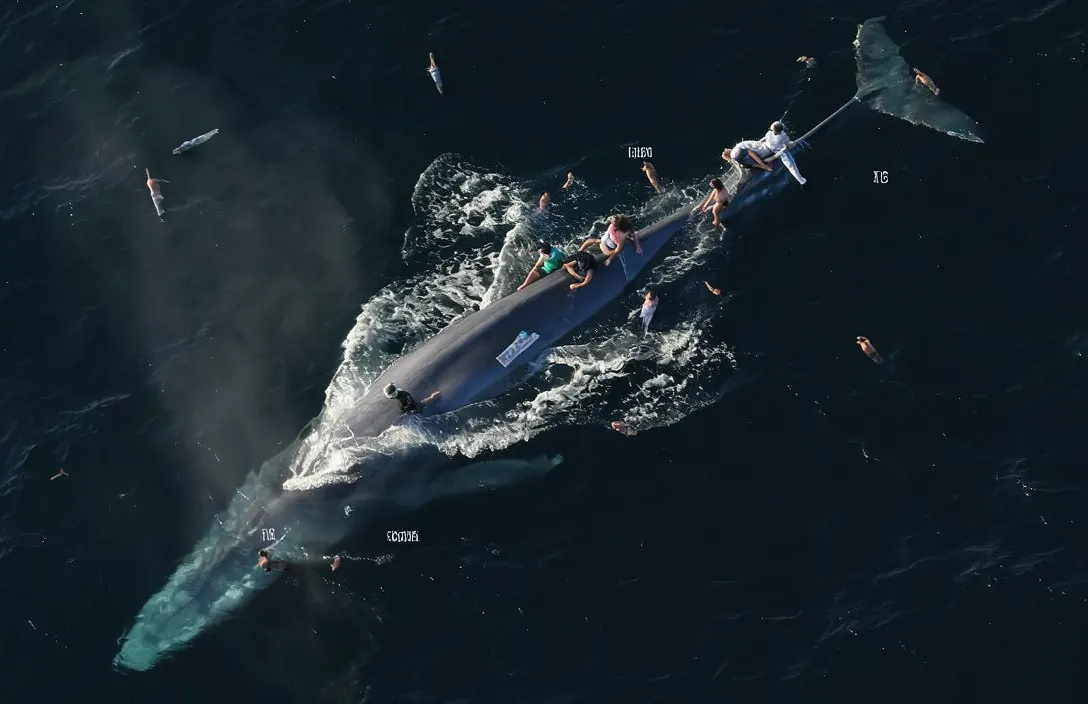
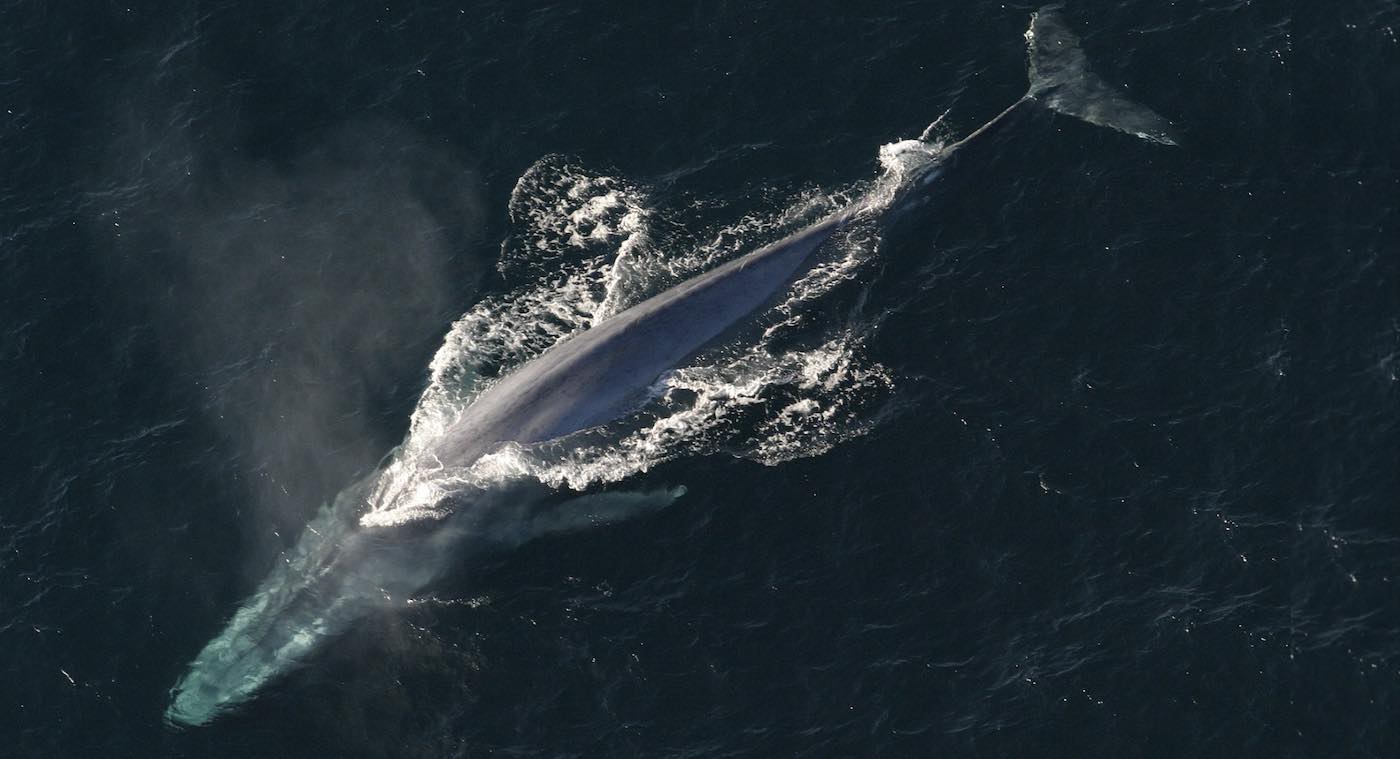
According to a study led by Zoe Rand, a postdoctoral scholar at the University of Washington School of Marine and Environmental Affairs, the Antarctic blue whale population has increased from 418 to 4,018 since 1973, marking a 1,000% rise (Good News Network, 2024). This recovery has been attributed to the international ban on whaling, which was imposed by the International Whaling Commission in 1964, although illegal whaling continued until 1973. The growth rate of 4.5% per year has been remarkable, especially considering the slow reproductive cycle of blue whales, which give birth to only one calf every three years (Good News Network, 2024). [1]
The study utilized historical catch data, modern photo identification records, and decades of line transect surveys to estimate the current population of Antarctic blue whales. Line transect surveys conducted between 1978 and 1984, 1985 and 1991, and 1991 and 2004 involved sailing boats that traveled along straight lines to count whales and record their distances from the boat (Good News Network, 2024). These data not only confirmed the population increase but also highlighted the substantial growth over time. The research team emphasized that blue whales are crucial to the marine ecosystem, influencing other species through their feeding, defecation, and death (Good News Network, 2024). [1]
Despite being classified as 'Critically-Endangered' by the IUCN, the Antarctic blue whale population's recovery suggests that the species may not remain on the Red List for much longer. Although the current population is still a fraction of its pre-whaling numbers, the study indicates that continued conservation efforts and the absence of whaling have played a significant role in the whales' resurgence (Good News Network, 2024). [1]
The Antarctic blue whale population has grown from 418 to 4,018 since 1973, according to a study led by Zoe Rand, a postdoctoral scholar at the University of Washington School of Marine and Environmental Affairs (Good News Network, 2024). This represents a 1,000% increase over nearly five decades, with an average annual growth rate of 4.5%. The study used historical catch data, modern photo identification records, and decades of line transect surveys to estimate the current population of Antarctic blue whales. [1]
Advertisement
The International Whaling Commission banned the killing of Antarctic blue whales in 1964, but illegal whaling continued until 1973 (Good News Network, 2024). These long-lived animals reproduce very slowly, with just one calf every three years or so. Despite this, the population has shown a significant recovery, which is attributed to the cessation of commercial whaling and the implementation of conservation measures. [1]
The study's findings suggest that the Antarctic blue whale population may no longer be classified as 'Critically-Endangered' by the IUCN for much longer (Good News Network, 2024). The research involved line transect surveys conducted between 1978 and 2004, which involved sailing boats along straight lines to count whales and estimate their numbers. These surveys, combined with other data sources, indicated that the population has grown substantially over time. [1]
The Antarctic blue whale population has grown from 418 to 4,018 since 1973, representing a 1,000% increase (Good News Network, 2024). This recovery is attributed to the International Whaling Commission's ban on commercial whaling in 1964, although illegal whaling persisted until 1973 (Good News Network, 2024). The study, led by Zoe Rand, used historical catch data, modern photo identification records, and decades of line transect surveys to estimate the current population (Good News Network, 2024). [1]
Line transect surveys conducted between 1978 to 1984, 1985 to 1991, and 1991 to 2004 provided critical data on the population's growth (Good News Network, 2024). These surveys involved sailing boats along straight lines to count whales and record distances, contributing to the understanding of the Antarctic blue whale's recovery (Good News Network, 2024). The data not only confirmed the population's increase but also highlighted the substantial growth over time (Good News Network, 2024). [1]
Advertisement
Despite being classified as 'Critically-Endangered' by the IUCN, the Antarctic blue whale population's recovery suggests that the species may no longer remain on the Red List for much longer (Good News Network, 2024). Zoe Rand emphasized that blue whales are marine ecosystem engineers, significantly influencing their environment through feeding, defecation, and death (Good News Network, 2024). The recovery of the Antarctic blue whale population has broader implications for the marine ecosystem and biodiversity (Good News Network, 2024). [1]
According to a study led by Zoe Rand, a postdoctoral scholar at the University of Washington School of Marine and Environmental Affairs, the Antarctic blue whale population has increased from 418 to 4,018 since 1973, marking a 1,000% rise (Good News Network, 2024). The study utilized historical catch data, modern photo identification records, and decades of line transect surveys to estimate the current population of Antarctic blue whales. This growth rate has averaged 4.5% per year, indicating a significant recovery despite the species being classified as 'Critically-Endangered' by the IUCN. [1]
The International Whaling Commission banned the killing of Antarctic blue whales in 1964, but illegal whaling continued until 1973 (Good News Network, 2024). The study's findings suggest that the Antarctic blue whale population may no longer be classified as 'Critically-Endangered' by the IUCN for much longer (Good News Network, 2024). The recovery of the population has been attributed to the cessation of commercial whaling and the protection measures implemented in the decades since. [1]
Line transect surveys conducted between 1978 to 1984, 1985 to 1991, and 1991 to 2004 provided critical data on the population's growth (Good News Network, 2024). These surveys involved sailing boats along straight lines to count whales seen and the distances they remained from the boat. The data collected through these methods, combined with modern photo identification records, have enabled scientists to estimate the current population with greater accuracy. [1]
Advertisement
The Cali Reporter newsletter
The stories worth your time.
California, the country, and what comes next. Join our free newsletter for reporting that keeps you informed.
More in Good News
- Black Mapmaking as a Tool for Reclaiming History and Fighting Injustice
Black mapmakers and artists are using cartography to counteract historical erasure and combat systemic racism, as evidenced by various projects across the United States.
- Observing Animal Behavior in the Intertidal Zone
A biology professor shares insights on how paying attention to natural sounds and movements can reveal animal secrets, particularly in the intertidal zone.
- Grandfather Rescues Lost Toddler in Arizona Desert
An Arizona grandfather played a pivotal role in rescuing a missing toddler during a cold desert night, according to local news reports.