Alaskan Artist Receives Grant to Revive Traditional Visor Craftsmanship
A Native artist from Alaska has been awarded a grant to revive the traditional crafting of qayaatx̂ux, or chief visors, which are part of Unangax̂ cultural heritage.


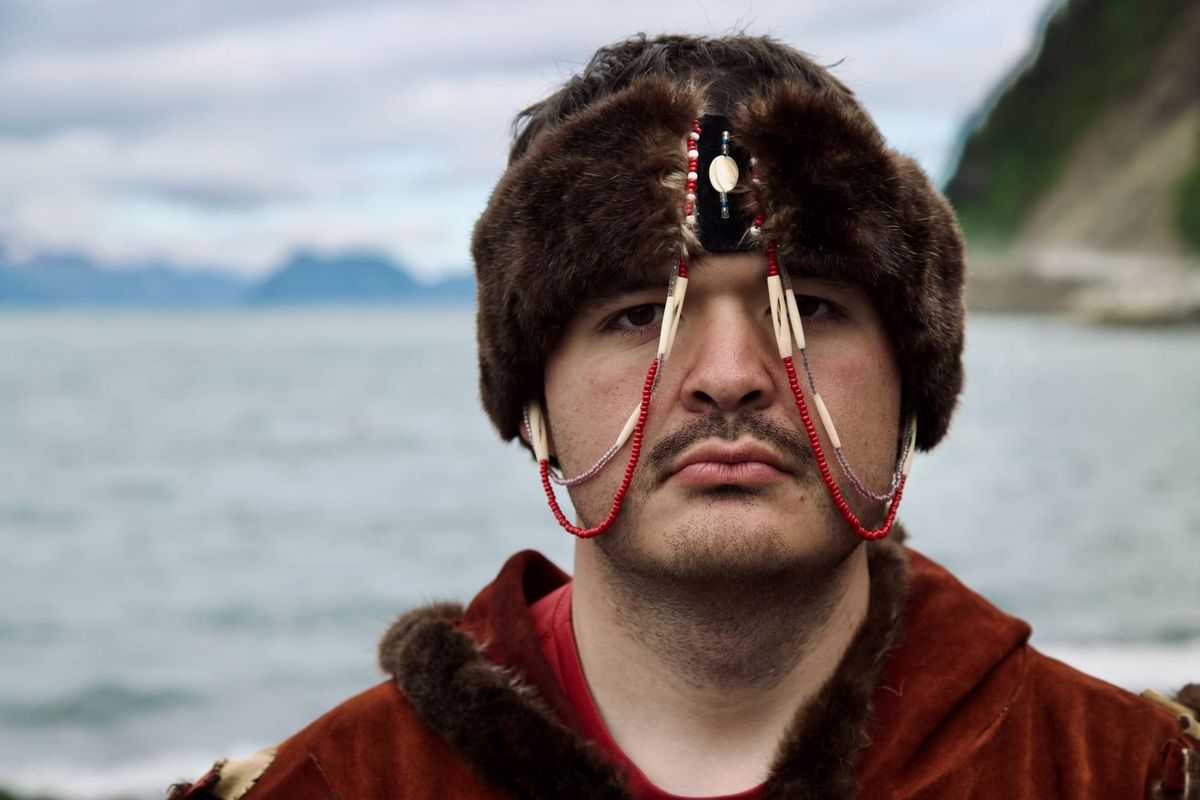
Dustin Newman, a Native artist of Unangax̂ and Deg Hit’an Athabascan descent, has been named the 2026 recipient of the Núhi grant by the Walker Youngbird Foundation. The $10,000 award will support Newman's efforts to revive the qayaatx̂ux, traditional closed crown visors historically worn by Unangax̂ chiefs (Hyperallergic, 1). This initiative is part of a broader effort to preserve and pass down endangered craftsmanship associated with these visors, which have been largely absent from Unangax̂ communities since the early 20th century. [1]
Newman plans to conduct technical research with the Anchorage Museum and collaborate with regional hat-makers to produce a limited series of qayaatx̂ux visors, which will be gifted to cultural leaders (Hyperallergic, 1). This project is expected to culminate in community workshops at Camp Qungaayux on Unalaska and the Agdaagux Culture Camp in King Cove, where Newman was raised. These initiatives aim to reestablish the visors as a meaningful cultural symbol within Unangax̂ communities. [1]
Newman first began learning the art of visor-making at 17, under the guidance of his mentor Okalena Patricia Lekanoff-Gregory at regional culture camps in Anchorage and Unalaska (Hyperallergic, 1). His decision to pursue this project through the Núhi Grant was driven by a desire to elevate the visors from being mere decorative items to respected symbols of cultural honor and leadership within Unangax̂ communities. [1]
Dustin Newman, a Native artist of Unangax̂ and Deg Hit’an Athabascan descent, has been named the 2026 recipient of the Núhi grant by the Walker Youngbird Foundation. The grant will be used to revive the qayaatx̂ux, or chief visor, a traditional closed crown visor historically worn by Unangax̂ chiefs (Hyperallergic, 1). The qayaatx̂ux began fading into obscurity in the early 20th century due to factors including American colonization, according to the source. [1]
Advertisement
Newman plans to conduct technical research with the Anchorage Museum and collaborate with regional hat-makers to produce a limited series of qayaatx̂ux visors, which will be gifted to cultural leaders (Hyperallergic, 1). The project aims to elevate the status of these visors from being mere wall decorations to symbols of cultural honor within the community. [1]
Newman first began learning the art of visor-making at 17, under the guidance of his mentor Okalena Patricia Lekanoff-Gregory at regional culture camps in Anchorage and Unalaska (Hyperallergic, 1). After completing the series of visors, Newman will share the tradition with community members through Camp Qungaayux on the island of Unalaska and the Agdaagux Culture Camp in King Cove, where he was raised. [1]
Dustin Newman, a Native artist of Unangax̂ and Deg Hit’an Athabascan descent, has been named the 2026 recipient of the Núhi grant by the Walker Youngbird Foundation (Hyperallergic, 1). The $10,000 award will be used to revive the qayaatx̂ux, traditional closed crown visors historically worn by Unangax̂ chiefs. Newman plans to conduct technical research with the Anchorage Museum and collaborate with regional hat-makers to produce a limited series of these visors, which will be gifted to cultural leaders (Hyperallergic, 1). [1]
The qayaatx̂ux, an intricately decorated hunting hat, began fading into obscurity in the early 20th century due to factors including American colonization (Hyperallergic, 1). Newman aims to pass down the craftsmanship of the visor through educational initiatives, including Camp Qungaayux on the island of Unalaska and the Agdaagux Culture Camp in King Cove, where he was raised (Hyperallergic, 1). [1]
Advertisement
Newman first began learning the art of visor-making at 17, under the guidance of his mentor Okalena Patricia Lekanoff-Gregory at regional culture camps in Anchorage and Unalaska (Hyperallergic, 1). He expressed his motivation for pursuing the project through the Núhi Grant as a way to elevate the status of the visors within the community as symbols honoring cultural bearers and leaders (Hyperallergic, 1). [1]
Dustin Newman, a Native artist of Unangax̂ and Deg Hit’an Athabascan descent, has been named the 2026 recipient of the Núhi grant by the Walker Youngbird Foundation (Hyperallergic, 1). The $10,000 award will be used to revive the endangered craftsmanship behind qayaatx̂ux, traditional closed crown visors historically worn by Unangax̂ chiefs. Newman plans to conduct technical research with the Anchorage Museum and collaborate with regional hat-makers to produce a limited series of visors, which will be gifted to cultural leaders (Hyperallergic, 1). [1]
The qayaatx̂ux, an intricately decorated hunting hat, began fading into obscurity in the early 20th century due to factors including American colonization (Hyperallergic, 1). Newman first began learning the art of visor-making at 17, under the guidance of his mentor Okalena Patricia Lekanoff-Gregory at regional culture camps in Anchorage and Unalaska (Hyperallergic, 1). [1]
After completing the series, Newman will share the tradition with community members through Camp Qungaayux on the island of Unalaska and the Agdaagux Culture Camp in King Cove, the fishing village where the artist was raised (Hyperallergic, 1). [1]
Advertisement
The Cali Reporter newsletter
The stories worth your time.
California, the country, and what comes next. Join our free newsletter for reporting that keeps you informed.
More in Culture
- Trump Meme Recasts Nvidia CEO as Butler Incident Survivor
President Donald Trump shared a meme reimagining Nvidia CEO Jensen Huang as the hero of his own assassination attempt in Butler, Pennsylvania, according to Hyperallergic.
- Venice Biennale Concludes with High Attendance Despite Challenges
The 61st Venice Biennale concluded with a record number of visitors despite challenges including political disputes and the curator's sudden passing.
- Artist Residencies as a Strategy for Navigating Precarity
Artists are increasingly relying on residencies as a means of coping with economic instability, commercial pressures, and the demands of sustained artistic production.