AI-Powered Smartwatches Show Promise in Hypertension Detection
A recent clinical study suggests that AI-powered consumer smartwatches could perform similarly to traditional office-based methods for measuring hypertension, potentially enabling broader population screening.

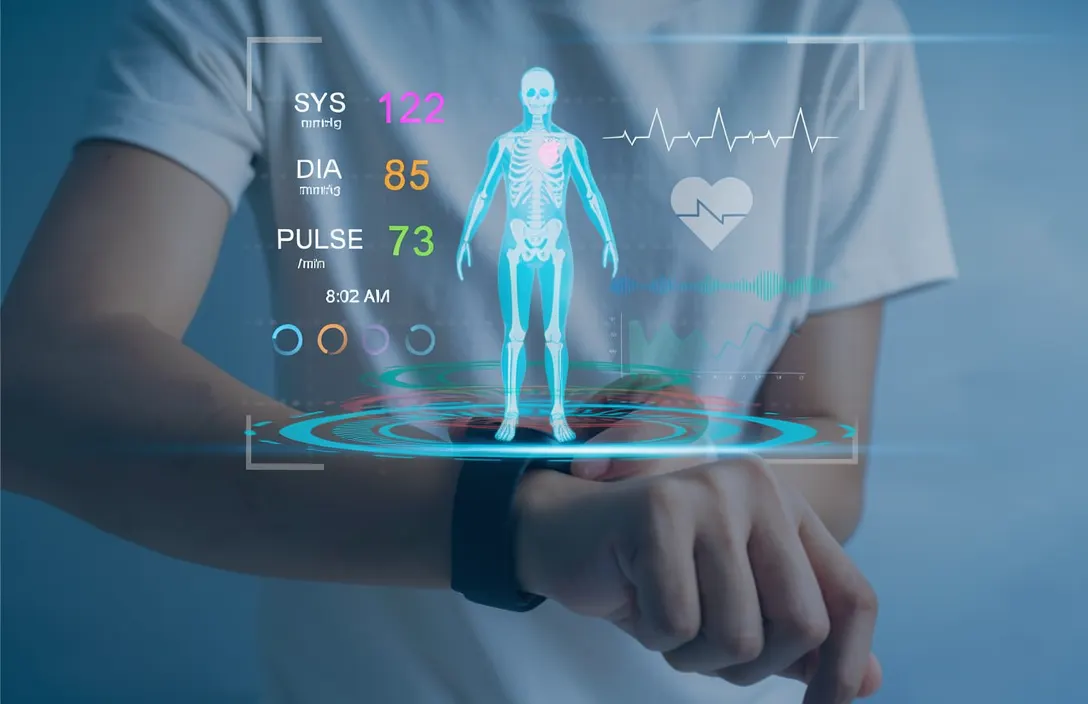

A prospective clinical study found that artificial intelligence enabled consumer smartwatches to perform similarly to office-based hypertension measurements. This development could lead to new strategies for population-level opportunistic screening. The study highlights the potential of wearable technology in identifying undiagnosed hypertension, particularly among younger adults who are less likely to seek regular medical check-ups. The findings were reported in a research highlight from Nature Medicine, which emphasizes the importance of early detection in reducing cardiovascular disease risk. [1]
The study notes that while consumer wearables can measure blood pressure, they typically require calibration with cuff-based measurements. However, the AI framework used in this study appears to overcome this limitation by improving accuracy without the need for frequent recalibration. This advancement may facilitate broader adoption of smartwatches for hypertension monitoring, as it reduces the dependency on traditional medical equipment. The research was published by Nature Medicine, which underscores the significance of technological innovations in disease prevention. [1]
Despite the promising results, the study acknowledges a lack of extensive data on the performance of AI-powered wearables relative to established screening methods. This gap in knowledge may limit the immediate clinical translation of the technology. The article from Nature Medicine calls for further research to validate the long-term effectiveness and reliability of AI-enhanced smartwatches in hypertension detection and management. [1]
The study was conducted in a prospective clinical setting, involving participants across multiple locations, though specific geographic regions were not detailed in the article. The research aimed to evaluate the performance of a consumer smartwatch equipped with artificial intelligence in measuring blood pressure compared to traditional office-based methods. This trial focused on hypertension detection, a condition that affects a significant portion of the global population, with particular emphasis on younger adults who are less likely to be aware of their condition. The project scope included analyzing the accuracy of smartwatch measurements without requiring calibration with cuff-based devices, which is a significant departure from current wearable technology practices. The study’s documented limits include the absence of long-term data on the reliability of AI-driven smartwatches for continuous monitoring and the lack of information on how environmental factors may influence the device’s performance. [1]
Advertisement
The research highlighted a critical gap in existing consumer wearables, which typically require calibration with cuff-based blood pressure measurements to ensure accuracy. This study sought to address that limitation by leveraging AI algorithms to enable standalone blood pressure readings. The trial was conducted in a clinical environment, suggesting a controlled setting that may not fully represent real-world conditions. The article notes that while the findings are promising, there is a documented limit in the generalizability of the results to diverse populations or varying health conditions. Additionally, the study did not explore the potential for AI to detect other cardiovascular indicators beyond blood pressure, which could be an area for future research. [1]
A prospective clinical study found that artificial intelligence enabled consumer smartwatches to perform similarly to office-based hypertension measurements. The study suggests that this could represent a new strategy for population-level opportunistic screening. This development is particularly significant given that around half of all adults with hypertension, especially younger adults, are unaware of their condition. Nature Medicine reports that this study highlights the potential of AI-powered wearables in addressing gaps in hypertension detection. [1]
Despite the promising results, the study notes that consumer wearables typically require calibration with cuff-based measurements to ensure accuracy. This calibration process may limit the practicality of these devices in real-world settings where access to traditional blood pressure cuffs is limited. However, the potential for AI to enhance the performance of wearables is a key finding of this research. [1]
The study acknowledges a lack of extensive data on the performance of AI-powered wearables relative to established screening methods. This highlights the need for further research to validate the long-term reliability and accuracy of these devices in diverse populations. Nature Medicine emphasizes the importance of such studies in advancing the clinical translation of AI-enabled wearables for hypertension monitoring. [1]
Advertisement
The Cali Reporter newsletter
The stories worth your time.
California, the country, and what comes next. Join our free newsletter for reporting that keeps you informed.
More in Health & Medicine
- Understanding Fascia and the Evidence Behind Fascia Release
Fascia is a connective tissue that plays a structural role in the human body, but evidence supporting specific exercises or tools for 'fascia release' remains limited.
- Antidepressant Effectiveness and Long-Term Use
A new review suggests that some antidepressants may be more effective than others in helping people manage depression symptoms over the long term, according to a study published in The Lancet Psychiatry.
- Experimental Weight-Loss Drug Shows Promise for Knee Osteoarthritis Pain
A new study suggests that an experimental weight-loss drug, retatrutide, may significantly reduce knee pain in people with osteoarthritis and obesity.