AI May Help Spot Early Signs of Lung Cancer in the Blood
Researchers are exploring the use of artificial intelligence to detect early signs of lung cancer through blood tests, aiming to improve screening accuracy and expand benefits to more people.

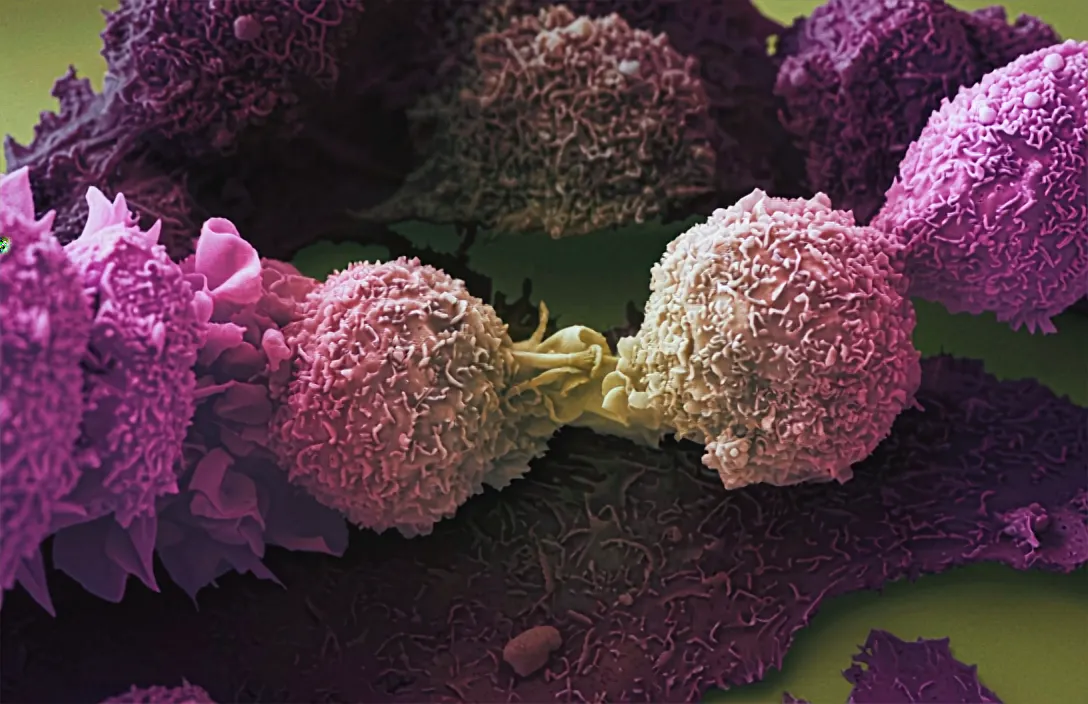

In a blue-and-white van outside Asda last June, 68-year-old Eddie, a retired fishmonger from Fallowfield, near Manchester, received life-changing news. The van belonged to the NHS—and it contained a portable scanner. Eddie and his wife Jeanette had arrived for a lung screening appointment, after being invited by their primary care doctor. Eddie had initially hesitated to attend but was encouraged by Jeanette, who felt the appointment was no more difficult than a quick trip to the store. Eddie had been invited due to his history of smoking as a teenager and a family history of cancer. The scan revealed a dark shadow on his right lung, leading to a diagnosis of lung cancer (MedicalXpress, 2026). [1]
Lung cancer screening has its downsides, including false positives that can cause stress and anxiety, as well as potential harms from the radiation used in CT scans. For these reasons, the NHS program currently only invites current and former smokers, whose higher cancer risk means the benefits outweigh these harms. However, estimates suggest that as many as 6,000 'never-smokers'—currently ineligible for screening—die from lung cancer every year. Researchers are exploring ways to make screening more accurate and extend its benefits to more people (MedicalXpress, 2026). [1]
At the Cancer Research UK National Biomarker Centre, professor Caroline Dive CBE and her teams are exploring an approach that could transform lung screening. Using cutting-edge artificial intelligence (AI), they're looking for answers in people's blood. Scans are good at finding people with stage 1 disease, but about one in five will go on and relapse, indicating that an early tumor may have already begun to spread. Dive is a world-renowned expert in blood-based cancer biomarkers and is working to identify molecular signatures that could lead to a sensitive and informative blood test (MedicalXpress, 2026). [1]
The lung cancer screening program described in the source takes place in Manchester, specifically near Fallowfield, and involves the use of a portable scanner in a blue-and-white NHS van. The program is part of a larger initiative that includes the Cancer Research UK National Biomarker Centre, located just minutes from Asda, where Eddie received his screening. The initiative is led by Professor Caroline Dive CBE and her team at the National Biomarker Centre, working closely with Professor Phil Crosbie and his team at Wythenshawe Hospital in Manchester. This collaboration is rooted in the city's established research networks, which have developed since Dive moved there in 2003. The program is currently limited to current and former smokers, based on the NHS’s assessment that the benefits of screening outweigh the potential harms, such as radiation exposure and the psychological impact of false positives. However, it is acknowledged that up to 6,000 never-smokers die from lung cancer annually and are not currently eligible for screening. This limitation highlights the program’s documented scope and its exclusion criteria, which are based on risk assessment and the balance of benefits and harms. [1]
Advertisement
The research being conducted at the Cancer Research UK National Biomarker Centre aims to develop a more accurate and inclusive approach to lung cancer screening by integrating artificial intelligence with blood-based biomarkers. This approach is designed to detect early-stage lung cancer and differentiate between fast-growing and slow-growing tumors, potentially reducing the need for extensive monitoring for some patients. The research involves the analysis of 200 pairs of blood samples—each pair consisting of a sample from a person with early lung cancer and a matched sample from a cancer-free individual who shares similar characteristics in terms of age, sex, and smoking history. This method enhances the ability to identify cancer-related molecular differences by comparing similar individuals, reducing noise from unrelated biological fluctuations. The study employs a multi-modal approach, analyzing various biological markers, including proteins, circulating DNA, RNA, and rare abnormal cells. This method is supported by the use of AI to sift through vast datasets and identify meaningful patterns that could lead to a sensitive and informative blood test, known as a liquid biopsy. The ultimate goal is to improve the accuracy of lung cancer screening and extend its benefits to more people, including never-smokers who are currently excluded from the NHS program. [1]
Sources
Prepared with AI assistance from the cited sources.
The Cali Reporter newsletter
The stories worth your time.
California, the country, and what comes next. Join our free newsletter for reporting that keeps you informed.
More in Health & Medicine
- Understanding Fascia and the Evidence Behind Fascia Release
Fascia is a connective tissue that plays a structural role in the human body, but evidence supporting specific exercises or tools for 'fascia release' remains limited.
- Antidepressant Effectiveness and Long-Term Use
A new review suggests that some antidepressants may be more effective than others in helping people manage depression symptoms over the long term, according to a study published in The Lancet Psychiatry.
- Experimental Weight-Loss Drug Shows Promise for Knee Osteoarthritis Pain
A new study suggests that an experimental weight-loss drug, retatrutide, may significantly reduce knee pain in people with osteoarthritis and obesity.