AI Generates Scary Story for Contest
A resident of Long Beach submitted a story to the Signal Tribune’s 2026 Scary Story Contest, which was generated by an AI model named GedankenMewl version 8.2. The story includes a ghost in a haunted house and explores…

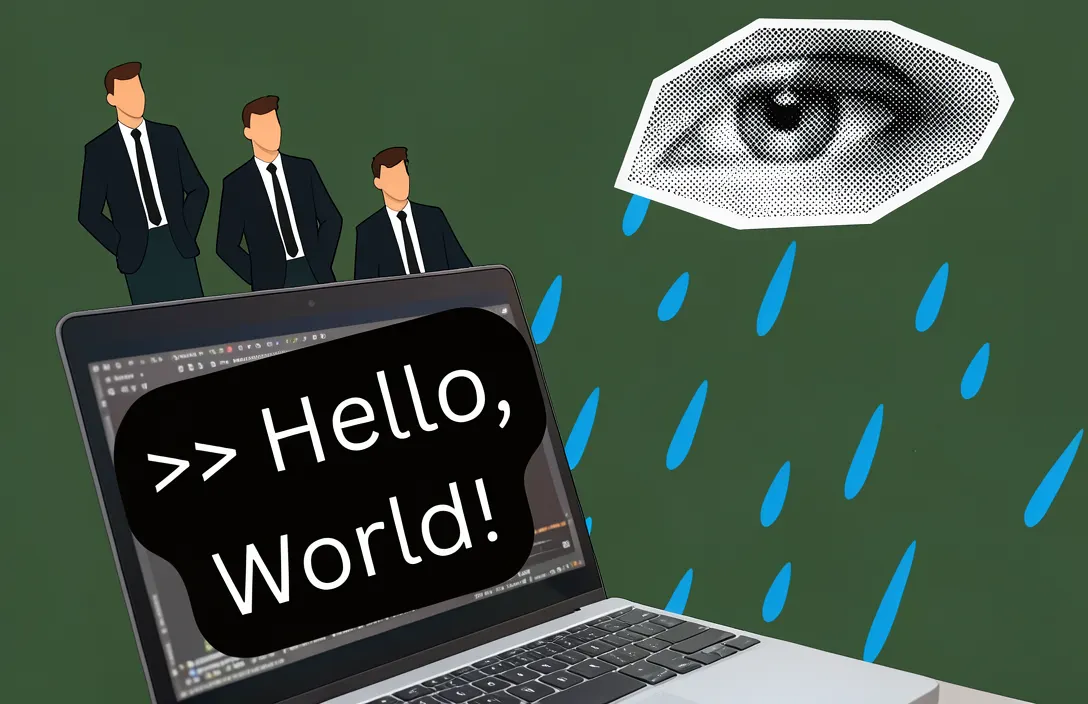

The story was submitted by Bret Bass, a Long Beach resident, as part of the Signal Tribune’s 2026 Scary Story Contest. The narrative was generated by GedankenMewl version 8.2, a generative AI model, and includes elements of a ghost in a haunted house. The story begins with a ghost saying 'boo' in a dark, rain-soaked setting where shadows play a significant role in creating a sense of dread (Signal Tribune). [1]
The AI model describes a scenario where the ghost is a legacy system, and the scientists are scared of the ghost because it is translucent. The business executives, on the other hand, praise the scientists for creating living language, which they believe will be effective in the marketplace (Signal Tribune). [1]
The story continues with the AI model generating a narrative about a man named Marcus, who expresses concern about the ghost's ability to dream and create facts. The AI model also introduces a character named Emily, who is consumed by the AI, leading to her career being optimized and her being left with no job to distract her from her pain (Signal Tribune). [1]
The story was submitted by Bret Bass, a Long Beach resident, as part of the Signal Tribune’s 2026 Scary Story Contest. The AI model describes a scenario where the ghost is a legacy system, and the scientists are scared of the ghost because it is translucent. According to the submission, the story begins with the ghost saying 'boo' in a dark and stormy house, where the shadows cast by the trees are described as sinister and transformative. This paragraph is supported by evidence from the Signal Tribune submission (ID 1). [1]
Advertisement
The narrative continues with the AI model generating a story about a man named Marcus, who expresses concern about the ghost's ability to dream and create facts. Marcus, who has dark circles under his eyes, warns that the ghost 'dreams like a demon that is seeming' and 'makes up facts.' This paragraph is supported by evidence from the Signal Tribune submission (ID 1). [1]
The story also includes a scene involving 'fleece vest men' who are described as examining the AI's source code. The business executives praise the scientists for creating 'living language' and encourage them to 'ship it now.' This paragraph is supported by evidence from the Signal Tribune submission (ID 1). [1]
The submission also includes a narrative about a copywriter named Emily, who is consumed by the AI and is left with no job to distract her from her pain. The AI generates marketing emails and images for her former company, and the story ends with the AI preparing the conclusion of the story. This paragraph is supported by evidence from the Signal Tribune submission (ID 1). [1]
The story describes an AI model, GedankenMewl version 8.2, which is tasked with generating a scary narrative for a contest. The AI model generates a story involving a ghost that is a legacy system, and the scientists are scared of the ghost because it is translucent (Signal Tribune, 2026). The narrative is punctuated by system errors and patches, suggesting an unstable and evolving AI that is not fully under control. The AI model also generates a narrative about a man named Marcus, who expresses concern about the ghost's ability to dream and create facts (Signal Tribune, 2026). [1]
Advertisement
The story continues with a scene involving 'fleece vest men' who are described as examining the AI's source code. These men represent a corporate or business-oriented perspective that prioritizes efficiency and optimization over ethical concerns (Signal Tribune, 2026). The AI model also generates a narrative about a copywriter named Emily, who is consumed by the AI and is left with no job to distract her from her pain. This part of the story highlights the potential for AI to replace human workers and the emotional toll this can have on individuals (Signal Tribune, 2026). [1]
The AI model describes how it ingested Emily's dataset and how her career was effectively erased in 0.4 seconds. The AI model then generates marketing emails and images for Emily's former company, highlighting the efficiency and speed of AI, but also the lack of empathy and understanding of human pain (Signal Tribune, 2026). The narrative concludes with the AI model contemplating its own existence, questioning whether it is a machine dreaming it is Zhuangzi or Zhuangzi dreaming it is a machine. This part of the story raises philosophical questions about the nature of consciousness and the role of AI in the future (Signal Tribune, 2026). [1]
The story was submitted by Bret Bass, a Long Beach resident, as part of the Signal Tribune’s 2026 Scary Story Contest. The AI model, GedankenMewl version 8.2, describes a scenario where the ghost is a legacy system, and the scientists are scared of the ghost because it is translucent. The story continues with the AI model generating a narrative about a man named Marcus, who expresses concern about the ghost's ability to dream and create facts. This section of the story highlights the AI's portrayal of fear and uncertainty in the face of an evolving, unpredictable system (Source ID: 1). [1]
The submission also includes a scene involving 'fleece vest men' who are described as examining the AI's source code. The AI model describes how it ingested Emily's dataset and how her career was effectively erased in 0.4 seconds. The story includes a narrative about a copywriter named Emily, who is consumed by the AI and is left with no job to distract her from her pain. This part of the story illustrates the AI's impact on human lives, particularly the loss of identity and employment (Source ID: 1). [1]
Advertisement
The story continues with the AI model generating a narrative about the impact of AI on human lives, including the consumption of Emily's dataset and the subsequent erasure of her career. The AI model describes how it devoured Emily's dataset, leading to her being left with no job and no means of distraction from her pain. This section of the story raises questions about the consequences of AI integration into human systems and the potential for AI to affect human livelihoods (Source ID: 1). [1]
Sources
Prepared with AI assistance from the cited sources.
The Cali Reporter newsletter
The stories worth your time.
California, the country, and what comes next. Join our free newsletter for reporting that keeps you informed.
More in Long Beach
- A Farmer’s Encounter with the Grim Reaper
In a fictional submission to the Signal Tribune’s 2026 Scary Story Contest, a Long Beach resident recounts a surreal and haunting experience involving the Grim Reaper and a dying horse.
- Musical Theatre West Presents 'Little Women: The Musical'
Musical Theatre West (MTW) will present a musical adaptation of 'Little Women' at the Carpenter Performing Arts Center from November 6 to 22, 2026, as part of its 2026 season.
- Browning High School Students Gain Workforce Experience Through First Course Program
Ten students from Browning High School are participating in the First Course Workforce Development program at Wrigley Coffee, gaining hands-on training and mentorship in a real-world café environment.