AI and New Technology Could Make Childbirth Safer
A new article in The Lancet Obstetrics, Gynaecology, & Women's Health suggests that combining medical knowledge with new technologies, including AI, could help reduce injuries and deaths during childbirth.

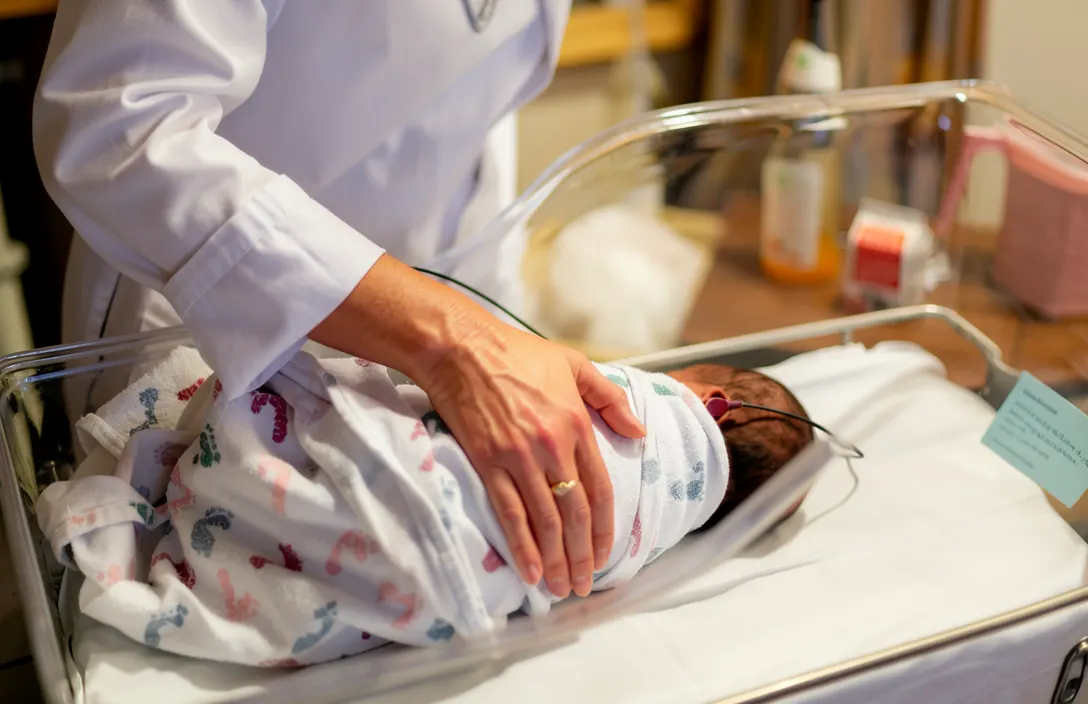

Researchers from institutions including UCL, the University of Oxford, and Imperial College Healthcare NHS Trust have explored how doctors, engineers, and scientists could collaborate to improve childbirth safety globally. The study highlights the potential of AI systems to analyze large health data sets and identify patterns that could help predict birth outcomes and complications. These insights may assist women in making more informed decisions about their mode of delivery, such as choosing between a vaginal birth or a cesarean section. The researchers also mention the development of advanced sensors, digital twins, and imaging tools as part of these efforts (Source ID: 1). [1]
Among the innovations being developed is a sensorized glove that can be used during assisted vaginal births. The glove, equipped with nanosensors, detects the orientation of the baby during labor and can also identify anal sphincter muscle tears with high accuracy in preclinical models. This technology is designed to be low-cost and suitable for use in low-resource settings. The glove provides real-time feedback through a computerized interface, enabling healthcare professionals to make more precise decisions during labor (Source ID: 1). [1]
The researchers have proposed several actions to maximize the benefits of these technologies, including collecting more comprehensive data on mothers and babies before, during, and after birth. They also suggest developing personalized computer models to predict risks, creating smarter tools and training systems for healthcare professionals, and improving methods for measuring and tracking injuries over time. These steps aim to support a more standardized approach to childbirth decisions and reduce the risk of complications for both mothers and babies (Source ID: 1). [1]
A team of researchers, co-led by experts from UCL, has proposed that combining medical knowledge with new technologies could help doctors identify potential complications during childbirth earlier, thereby reducing injuries and deaths (1). The researchers, who include experts from UCL, the University of Oxford, Imperial College Healthcare NHS Trust, and other institutions, argue that AI and advanced tools can assist in predicting complications and making more informed birth choices, such as selecting between vaginal delivery and cesarean section (1). [1]
Advertisement
Among the innovations being developed is a sensorized glove that can be used during assisted vaginal births. This glove can determine the baby's position during labor and detect anal sphincter muscle tears with high accuracy in preclinical models (1). The glove is equipped with nanosensors that provide real-time feedback through a computerized interface and is designed to be low-cost, making it suitable for use in low-resource settings (1). [1]
To maximize the benefits of these technologies, the researchers have proposed several actions, including collecting more comprehensive data on mothers and babies before, during, and after birth. They also suggest using technology to understand the causes of birth injuries, developing personalized computer models to predict risks, and improving methods to measure and track injuries over time (1). [1]
A team of researchers, co-led by experts from UCL, has proposed that combining medical knowledge with new technologies could help doctors identify potential complications during childbirth earlier, thereby reducing injuries and deaths (1). The researchers believe that using AI and new technologies could help minimize the occurrence of injury during birth by giving doctors the ability to spot any potential issues before they happen and use these insights to help women make more informed birth choices (i.e., choosing a vaginal delivery or a cesarean section). [1]
Among the innovations being developed is a sensorized glove that can be used during assisted vaginal births. The glove can determine which way a baby is facing during labor—a vital precursor to performing assisted vaginal birth safely. The glove can also detect anal sphincter muscle tears highly accurately following birth in preclinical models. Nanosensors are fabricated directly onto the gloves and connected to a computerized user interface that gives real-time feedback on which way the baby is looking during vaginal examination. [1]
Advertisement
The researchers have proposed several actions to maximize the benefits of these technologies, including collecting more comprehensive data on mothers and babies before, during, and after birth. To help maximize the various new technologies, the researchers have proposed five main actions: Collect better information about mothers and babies before, during and after birth. Use technology to understand what causes birth injuries. Develop personalized computer models to predict risks. Create smarter tools and training systems to help health care professionals. Improve ways of measuring and tracking injuries over time. [1]
Researchers from institutions including UCL, the University of Oxford, and Imperial College Healthcare NHS Trust have proposed that combining medical knowledge with new technologies could help doctors identify potential complications during childbirth earlier, thereby reducing injuries and deaths (1). The researchers believe that using AI and new technologies could help minimize the occurrence of injury during birth by giving doctors the ability to spot any potential issues before they happen and use these insights to help women make more informed birth choices (i.e., choosing a vaginal delivery or a cesarean section) (1). [1]
Among the innovations being developed is a sensorized glove that can be used during assisted vaginal births. The glove can determine which way a baby is facing during labor—a vital precursor to performing assisted vaginal birth safely. The glove can also detect anal sphincter muscle tears highly accurately following birth in preclinical models. Nanosensors are fabricated directly onto the gloves and connected to a computerized user interface that gives real-time feedback on which way the baby is looking during vaginal examination (1). [1]
To help maximize the various new technologies, the researchers have proposed five main actions: Collect better information about mothers and babies before, during and after birth. Use technology to understand what causes birth injuries. Develop personalized computer models to predict risks. Create smarter tools and training systems to help health care professionals. Improve ways of measuring and tracking injuries over time (1). [1]
Advertisement
The Cali Reporter newsletter
The stories worth your time.
California, the country, and what comes next. Join our free newsletter for reporting that keeps you informed.
More in Health & Medicine
- Understanding Fascia and the Evidence Behind Fascia Release
Fascia is a connective tissue that plays a structural role in the human body, but evidence supporting specific exercises or tools for 'fascia release' remains limited.
- Antidepressant Effectiveness and Long-Term Use
A new review suggests that some antidepressants may be more effective than others in helping people manage depression symptoms over the long term, according to a study published in The Lancet Psychiatry.
- Experimental Weight-Loss Drug Shows Promise for Knee Osteoarthritis Pain
A new study suggests that an experimental weight-loss drug, retatrutide, may significantly reduce knee pain in people with osteoarthritis and obesity.