

Aging oil refineries don’t need more public dollars. California should let them retire
California has already handed billions in taxpayer concessions to prop up century-old oil refineries, yet they’re still headed for retirement. It’s time to stop the subsidies and let them close.
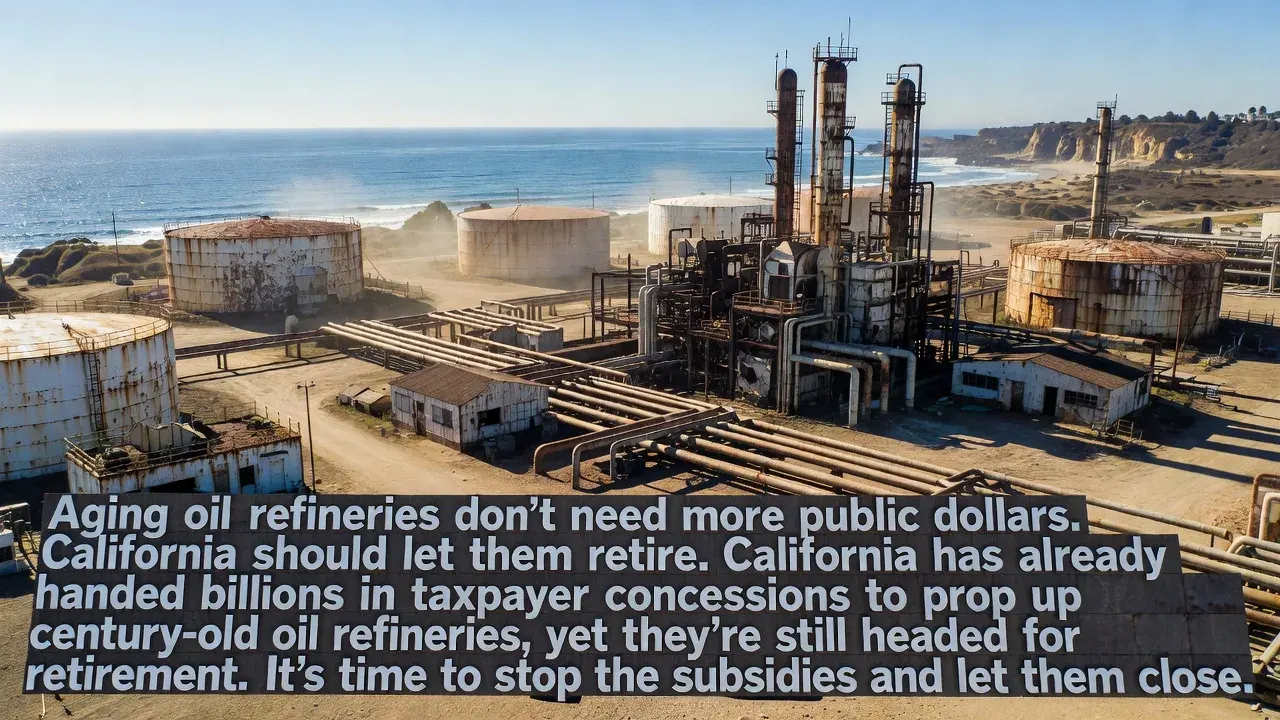
California’s oil refineries, some more than a century old, are limping toward retirement no matter how much public money is thrown their way. The state has already delivered billions of dollars in concessions and support, yet that lifeline appears insufficient to keep them operating indefinitely.
This isn’t a failure of policy imagination; it’s the natural consequence of aging infrastructure that has outlived its economic usefulness. Instead of pouring more taxpayer funds into facilities that belong in the history books, Sacramento should accept the inevitable and focus on an orderly wind-down rather than an expensive, open-ended rescue.
The pattern is clear: every time refinery operators hint at closure, officials respond with new financial incentives, regulatory relief, or outright subsidies. Those billions have bought time, but not viability. Refineries built before the First World War cannot be retrofitted forever while California simultaneously pursues aggressive climate targets that make their core business obsolete.

Continuing to subsidize these operations distorts markets, delays genuine innovation in energy supply, and saddles Californians with costs that deliver diminishing returns. The public has already paid heavily to maintain the status quo. Further concessions simply transfer wealth from taxpayers to shareholders of legacy industries that the state itself is trying to phase out.
The smarter course is to let market signals and the passage of time determine which facilities retire, while ensuring permitting and redevelopment pathways don’t turn shuttered sites into long-term liabilities. Billions spent on life support for 100-year-old refineries could instead accelerate cleaner alternatives that actually match California’s stated goals.
What remains unanswered is how many more rounds of concessions policymakers will offer before admitting the refineries’ retirement is not a crisis to avert, but a transition to manage.
Original reporting: CalMatters.
More in California
- UC Berkeley Lab Proposes New Civic Framework for California’s Next Governor
A research-driven agenda calls for institutionalizing 'co-governance' to address low public trust and lack of resident influence in state decision-making.
- Five Tax Measures on California’s Ballot Aim to Reshape State Finances
Propositions 3, 40–43 would alter income, wealth and local taxation rules—marking the highest number of tax measures on a general election ballot since 1994.
- Catalina Helicopter Crash Highlights Risks of Island Medevac Flights
A medical evacuation chopper carrying Catalina Romero, pilot, and nurse Jessica Devries crashed into the ocean shortly after takeoff, killing all three; federal investigators are assessing causes including night flying, spatial disorientation, and the island’s challenging Pebbly Beach heliport.