A Dead Whale, a Blast, and a Film That Wouldn't Let Go
Fifty-six years after Oregon dynamited a beached whale, Paul Linnman's live reaction is still the story—and Winslow Crane-Murdoch's documentary follows him from resentment toward acceptance.

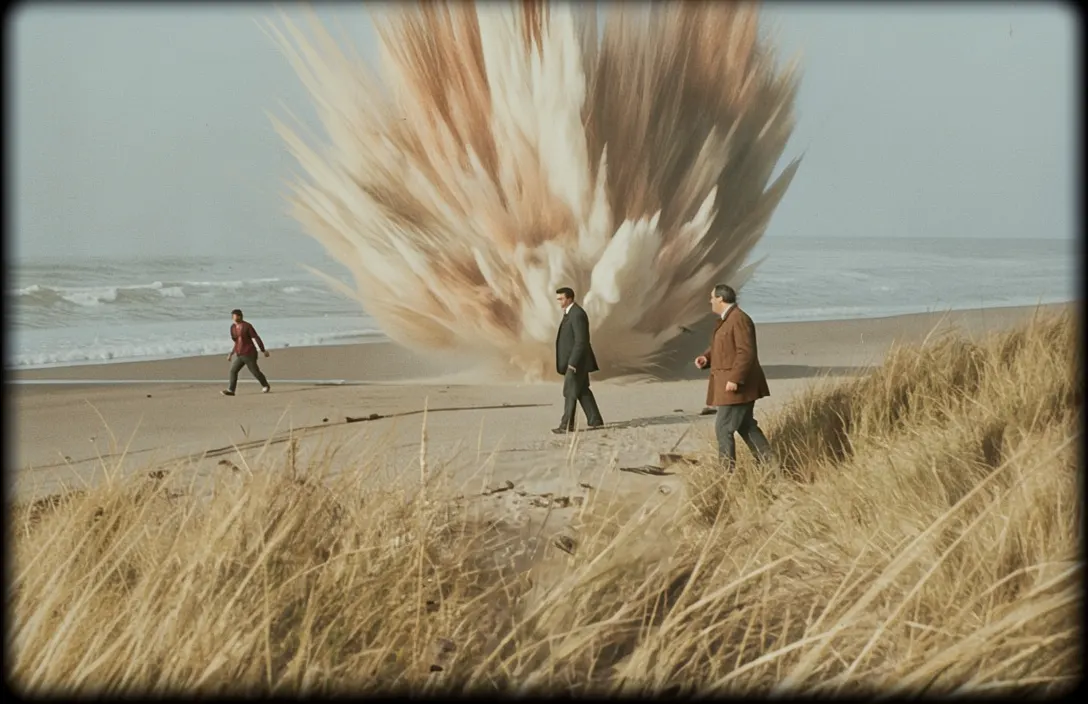
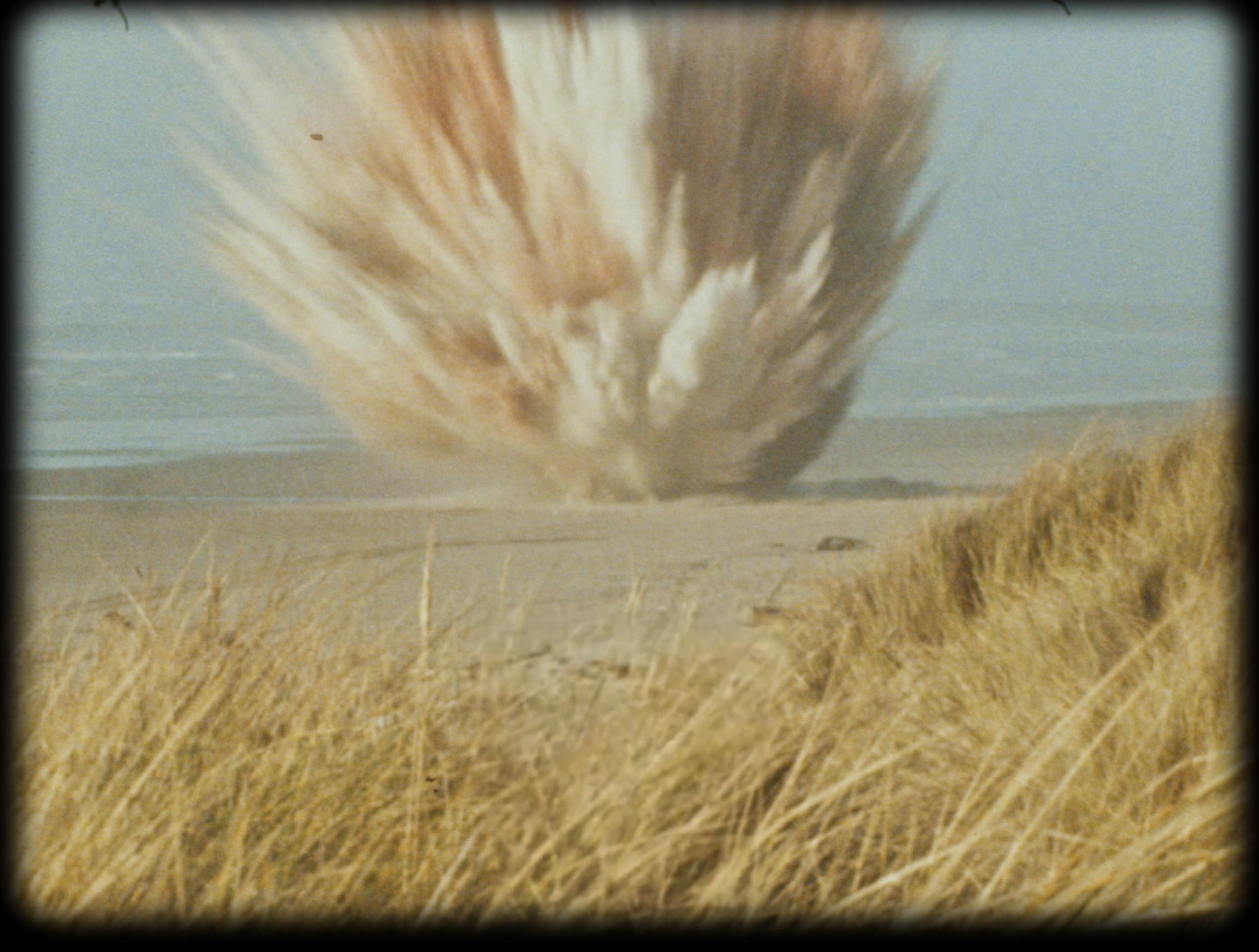
On November 12, 1970, a massive dead whale was found on the beach near Florence, Oregon. The highway department opted to use dynamite to dispose of the carcass, a decision that director Winslow Crane-Murdoch described to Good News Network as one of the worst ideas imaginable. A young Portland newscaster named Paul Linnman, along with cameraman Doug Brazil, was dispatched to cover the event. When the explosion scattered blubber across the beach, they fled in fear. Their resulting report, according to the source, became the defining moment of Linnman's career and one of the earliest viral news stories in history. [1]
The line that outlived the whale came from Linnman: the blast blasted blubber beyond all believable bounds. Good News Network reports that people still repeat it to him everywhere he goes, fifty-six years later. That endurance is the starting point of Oh Whale!, the latest film in the JoyDrops series, which Good News Network says it has partnered with to spotlight and discuss. The film is being released with The New Yorker and Switchboard Magazine, according to the report. [1]
In 2017, Crane-Murdoch relocated to Oregon and first encountered the footage on YouTube a few years later, when the station released a remastered version for the 50th anniversary. He shared with Good News Network that he was quite literally blown away, a bad pun he notes the film frequently employs. As he explored further, he uncovered a more profound narrative: for many years, Linnman was resentful of being primarily remembered for the whale rather than for his other reporting, but over time, he came to accept this legacy. Oh Whale! chronicles that evolution. [1]
What the footage shows is a news crew sent on a routine assignment that turned into something else within seconds of the charge going off. The report does not detail what the highway department expected the blast to accomplish, how the decision was reviewed, or what happened to the remains afterward. What it does establish is the sequence the film rests on: a disposal plan, a young reporter and cameraman on the sand, and a result nobody in the frame was prepared for. Linnman and Brazil ran. The camera kept the record. [1]
Advertisement
Crane-Murdoch attributes the clip's enduring popularity to the skill involved in its creation. According to the source, Linnman wrote the script once, read it, and the report aired the next day. He could have presented the story in various ways, but he opted for humor, a choice that significantly contributes to the clip's lasting appeal. Crane-Murdoch told Good News Network that the clip served as a reminder of the remarkable potential of local news. In the film, Linnman notes that the producer of a story cannot control the audience's reaction; it is ultimately the viewers who determine the impact. [1]
That turned out to be true for Oh Whale! as well. The team initially anticipated a fun side project. Instead, the film has enjoyed a strong festival run, received awards, and earned a Critics’ Choice nomination. Paul Linnman shared how sitting in an audience and watching people laugh together was a powerful experience, emphasizing that it demonstrates how community can emerge from any of these stories. [1]
The report highlights that Florence, Oregon, now observes an annual Exploding Whale Memorial Day, as evidenced by local residents attending a Portland screening with a fake dynamite stick and a whale costume to greet the audience. This detail illustrates that the original broadcast has continued to resonate locally in ways that extend beyond online views and festival programming, with the community embracing the story as its own. However, the report does not provide specific information regarding when the observance began, its scale, or the individuals responsible for organizing it. [1]
The clip's durability has a material trail. The report says audiences first requested film reels, then VHS tapes. The footage became one of the first email attachments and an early blog video, and then a YouTube hit. That chain explains how a local broadcast reached new audiences across five decades, without proving a single cause for its long life. Each format carried the same joke to a different room, and the remastered anniversary release in particular gave it a fresh digital audience just before the film took shape. [1]
Advertisement
Crane-Murdoch's favorite moment in the film returns to silliness. When he asked Brazil for the lesson of the story, the answer was simple: don't underestimate the power of explosives. The line keeps the film from settling into a tidy moral about legacy, and it sits beside Linnman's own account of learning to live with the thing he is best known for. Both men were on the beach. The report gives Brazil far less of the story than Linnman, which is itself worth noting: the cameraman's contribution is preserved mainly through that one quoted punchline. [1]
Winslow Crane-Murdoch, after seven or eight years working on The Quiet Epidemic, a documentary about chronic Lyme disease, found himself burnt out and seeking a lighter project to rekindle his passion for filmmaking. Despite this shift, he still values documentaries that explore difficult topics and intends to return to issue-driven work. Crane-Murdoch explained to Good News Network that the appeal of the JoyDrops slate lies in its approach: these films center around a core message but prioritize joy, allowing audiences to engage with broader conversations without having to confront trauma directly. He emphasized that this method makes it possible to address important issues in a way that is accessible and uplifting. [1]
Comedy, he found, was not the easy option. He told the network he was surprised at how hard it was to make, and that making people laugh is a challenging thing. The sadder material, by contrast, can sometimes feel a little easier from a craft standpoint. Oh Whale! began as pure absurdity, but the team found real heart underneath. Crane-Murdoch said the film is about legacy and what we leave behind. The logline puts it plainly: we don't get to choose our fate, only what we make of it. [1]
That theme lands differently because of who is carrying it. Linnman's career is the evidence the film rests on: a reporter sent to a beach to cover a disposal, who wrote one funny script, and who then spent decades being greeted by strangers quoting it back to him. The report presents his change in posture, from resentment to acceptance, as part of the film's story rather than a resolution imposed from outside. Whether that arc is fully traceable in the short, or compressed into a few reflective moments, is something the report doesn't describe. [1]
Advertisement
As outlined in the report, JoyDrops focuses on awards-eligible documentary shorts centered around joy, offering a refreshing contrast to a category frequently dominated by tragic themes. Good News Network has joined forces with JoyDrops to highlight these films and engage in discussions with the filmmakers involved; the network has previously covered similar films, such as one about the nearly forgotten first woman to play professional football. According to Crane-Murdoch's own account, the JoyDrops slate does not argue against addressing difficult subjects. Instead, it emphasizes the importance of sequencing, allowing viewers to engage with broader conversations through pleasure rather than through pain. [1]
Crane-Murdoch also framed the short as an argument for the form that produced the original footage. Local television sent a young reporter and a cameraman to a beach on a weekday, and the piece aired the next day on a script written once and read aloud. The story that resulted has outlasted the station's usual archive cycle by decades, and it did so through reels, tapes, emails, blogs and links rather than through any deliberate preservation plan described in the report. That is a point about craft and reach, not a prediction that local news can replicate it. [1]
The pairing of formats matters too. A 1970 local news report, a 2020 remastered YouTube upload and a 2026 festival short are three different things made by three different sets of people with three different constraints. Crane-Murdoch came to the material as a viewer, years after the station repackaged it, and then built a film around the person at its center. That distance is part of what the short can offer: not nostalgia for a broadcast most viewers never saw live, but a portrait of a man who has had five decades to think about a single afternoon. [1]
The report leaves several questions unanswered. Will Oh Whale! reach viewers beyond festivals and awards? What does the release alongside The New Yorker and Switchboard Magazine mean in practical terms, a distribution platform, an editorial partnership, a one-off screening? Will Linnman's encounters with the famous line change as the short travels? Will Florence's annual observance grow, stay local or fade? The report does not say, and no source here settles it. [1]
Advertisement
One scenario is that the film remains a festival and awards title whose broader availability develops along whatever path the New Yorker and Switchboard association opens. That is a scenario, not a forecast. Another is that JoyDrops uses the short to advance its stated aim of drawing attention to awards-eligible films about joy. Crane-Murdoch told Good News Network the team is grateful to be part of a conversation of films trying to bring joy into the watching experience and give audiences something refreshing and fun. [1]
What comes next is limited but concrete. Confirmed release and screening details would clarify the New Yorker and Switchboard Magazine association. Further festival or awards announcements would add specificity to the reception already reported. Any indication of how the film handles the tension between absurdity and heart would let viewers judge the director's thematic claims for themselves. Watch also for attention to local-news craft. Crane-Murdoch said Linnman's report reminded him how strong local news can be; whether the short draws more attention to that craft is an open question, not a claim in the report. [1]
The story that began with a dead whale and a disposal decision now has a film, a festival run and a town ritual. The report does establish Crane-Murdoch's prior work, the short's reception and Florence's annual memorial day. It also establishes how the original footage moved through reels, tapes, email, blogs and YouTube. What it does not settle is what happens after the credits: who sees the film, where, and what they make of the fate they don't get to choose. [1]
Editorial note: This article is sourced. Some claims are awaiting further verification.
Sources
Prepared with AI assistance from the cited sources.
The Cali Reporter newsletter
The stories worth your time.
California, the country, and what comes next. Join our free newsletter for reporting that keeps you informed.
More in Good News
- World's First Non-Malignant Bone Marrow Transplant Successfully Treats Aplastic Anemia
A groundbreaking medical achievement has been made with the successful use of a deceased organ donor's bone marrow to treat a non-malignant disease, offering new hope for patients with aplastic anemia.
- Preserving Kids' Art Through Collaborative Collages
An artist has found a way to help parents preserve their children's artwork while reigniting their own creativity, leading to a growing trend among families.
- Spain's Cantabrian Brown Bear Population Doubles in 20 Years
Spain has witnessed a remarkable recovery of its Cantabrian brown bear population over the last two decades, with numbers doubling to 370 individuals and their breeding range expanding significantly.