36 Questions to Spark Intimacy and Connection
A podcast episode explores the science behind a practice involving 36 questions designed to deepen relationships and foster intimacy.


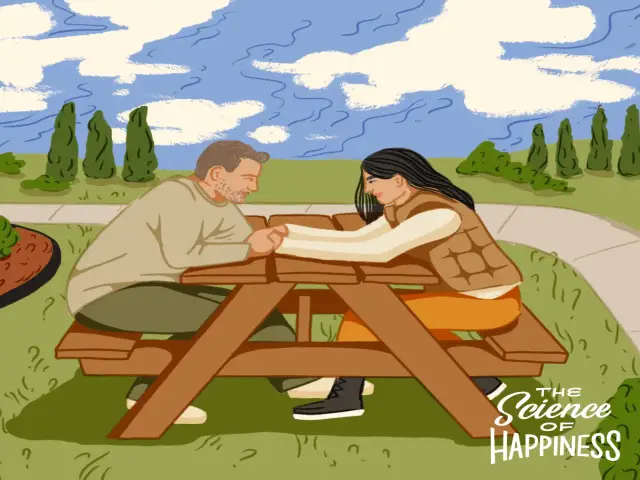
The Science of Happiness podcast episode discusses a practice involving 36 questions designed to help people fall in love or form fast connections. The episode features guests Kristen Meinzer and Jolenta Greenberg, who tried the questions with their husbands and found that the practice helped them rediscover intimacy and learn more about each other. Psychologists Arthur and Elaine Aron, who developed the questions, explain that gradually building vulnerability, listening with care, and sharing openly can strengthen relationships of all kinds (Source ID: 1). [1]
The practice involves finding a comfortable, quiet space and setting aside about 45 minutes to spend with someone you want to feel closer to. It begins with lighter questions, such as 'If you could have dinner with anyone in the world, who would it be?' and gradually moves to more personal questions that explore hopes, fears, and meaningful memories. The goal is not to get through every question perfectly but to create a conversation where both people feel seen, heard, and understood (Source ID: 1). [1]
The episode also includes a discussion between guests Amber and Ben Wallin, who put the 36 questions to the test in their relationship. They shared how they met and how their connection evolved over time. The episode is part of a series exploring the science of love, supported by The John Templeton Foundation, and it highlights the importance of listening and how it shapes our relationships (Source ID: 5). [5]
The Science of Happiness podcast episode discusses a practice involving 36 questions designed to help people fall in love or form fast connections. The practice involves finding a comfortable, quiet space and setting aside about 45 minutes to spend with someone you want to feel closer to (Source ID: 1). The episode features guests Kristen Meinzer and Jolenta Greenberg, who put the 36 questions to the test in their relationships, revealing how the practice helped them rediscover intimacy, learn new things about each other, and feel closer (Source ID: 1). [1]
Advertisement
Psychologists Arthur and Elaine Aron, who developed the questions, explain why gradually building vulnerability, listening with care, and sharing openly can strengthen relationships of all kinds. The practice begins with lighter questions, such as “If you could have dinner with anyone in the world, who would it be?” and gradually moves to more personal topics (Source ID: 1). Guests are encouraged to take turns answering, listen with curiosity and care, and be open and responsive to create a conversation where both people feel seen, heard, and understood (Source ID: 1). [1]
Amber and Ben Wallin, a couple who share their marriage and parenting journey on TikTok, also put the 36 questions to the test. Their experience highlights the potential of the practice to deepen connections in romantic relationships. The episode is part of the Science of Love series, supported by the John Templeton Foundation, and emphasizes the importance of listening in fostering stronger relationships (Source ID: 5). [5]
The Science of Happiness podcast episode discusses a practice involving 36 questions designed to help people fall in love or form fast connections. The practice involves finding a comfortable, quiet space and setting aside about 45 minutes to spend with someone you want to feel closer to (source ID: 1). Guests Kristen Meinzer and Jolenta Greenberg of the By The Book podcast share their experiences trying the questions with their husbands, revealing how the practice helped them rediscover intimacy and feel closer (source ID: 1). [1]
Psychologists Arthur and Elaine Aron, who developed the questions, explain why gradually building vulnerability, listening with care, and sharing openly can strengthen relationships of all kinds. The practice encourages starting with lighter questions, such as 'If you could have dinner with anyone in the world, who would it be?' and gradually moving to more personal topics (source ID: 1). This approach allows trust and comfort to build naturally, fostering deeper connections (source ID: 1). [1]
Advertisement
Amber and Ben Wallin, a couple who share their marriage and parenting journey on TikTok, also put the 36 questions to the test. Their experience with the practice highlights the potential for the questions to deepen relationships and create meaningful conversations (source ID: 5). The episode emphasizes the importance of being open and responsive, allowing both people to feel seen, heard, and understood (source ID: 1). [1] [5]
Sources
Prepared with AI assistance from the cited sources.
The Cali Reporter newsletter
The stories worth your time.
California, the country, and what comes next. Join our free newsletter for reporting that keeps you informed.
More in Relationships
- Screen vs. Print: How Executive Functions Influence Word Learning in Preschoolers
A new study explores how preschoolers learn new words from print and digital books, revealing that individual differences in executive functions significantly influence comprehension outcomes.
- Smartphone Use and ADHD-Like Symptoms in Adolescents
A study published in the Journal of Affective Disorders found that problematic smartphone use among adolescents is associated with increased ADHD-like symptoms, particularly in late adolescence.
- Lack of Assertiveness and Hostility Linked to Depression Over 23 Years
A long-term study of Swedish twins found that lack of assertiveness and hostility are both associated with increased depressive symptoms over time, though some links may be influenced by shared genetic factors.