

1.2 Miles of Isolation: Tiny Camera in Australian Desert Reveals Secret Animal Drinking Party While Studying Climate Change
Fresh water ecologist Jennifer Davis uses solar tech to monitor wildlife at Watarrka National Park and track climate impacts.

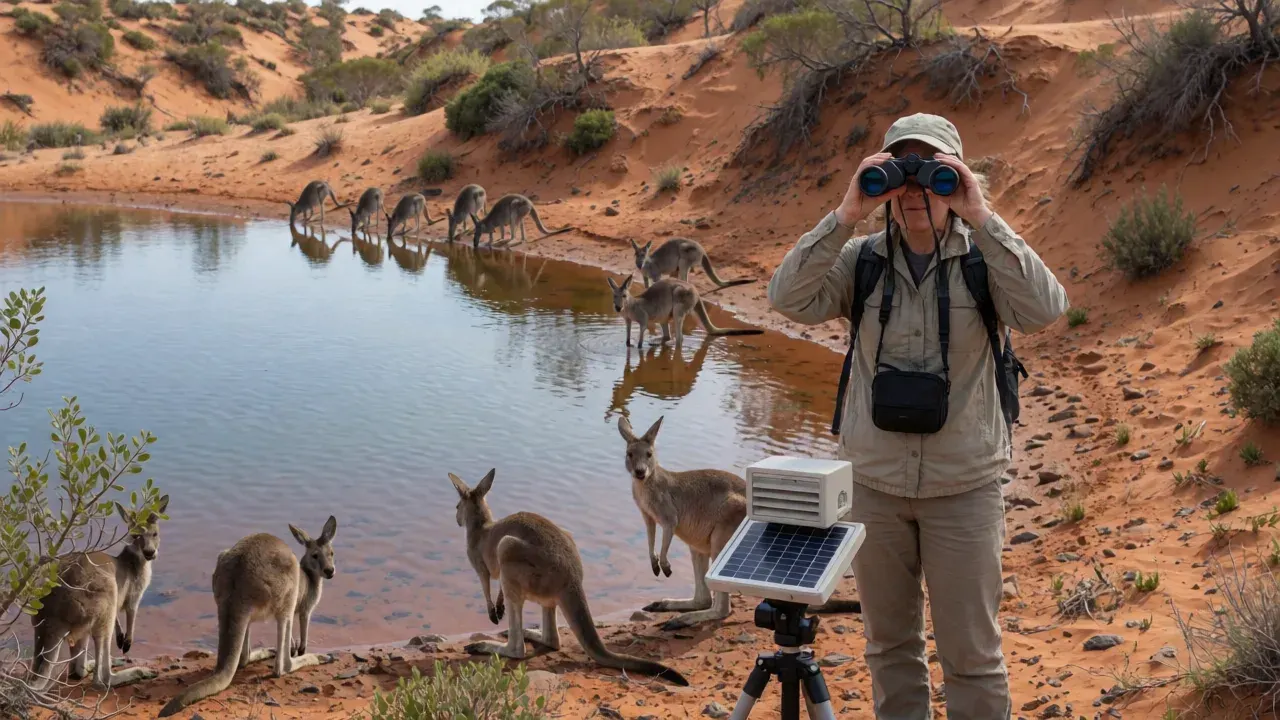
Transparency is the greatest gift a philanthropist can give to the public. We send resources to help the vulnerable, but we rarely get to see the direct impact of that aid. This is why the Watarrka Waterhole livestream is such a unique contribution to global conservation. Located 1.2 miles from the nearest car park down a narrow track, the camera is a lonely sentry in a national park that few will ever visit. Yet, it brings the majesty of the Australian Outback to a global audience.
The operation is a masterpiece of logistics and collaboration. It is the result of a partnership between Northern Territories Parks and Wildlife and the Research Institute for the Environment and Livelihoods at Charles Darwin University. The visionary behind this project is fresh water ecologist Jennifer Davis. She has spent years using motion activated cameras to document wildlife at waterholes. However, she recently realized that recent advancements in solar power, satellite internet, and compact computing finally allowed for a permanent watch. She applied a little camouflage paint to hide the equipment, ensuring the animals remain undisturbed while they drink.
The results of this generosity are heartening to watch. The cast of characters includes dingoes, wallabies, frogs, and the occasional feral cat. You might even catch a wedge-tailed eagle taking a moment to drink. Thousands of people from Sacramento to Samarkand tune in daily. The soundscape transforms when rain falls, with frogs croaking and birdsong filling the air. It is a reminder that while we are geographically distant, our appreciation for nature is universal.

This site is more than just a webcam. Watarrka National Park is an ancestrally important landscape for the Matutjara people. It is also internationally renowned for the sandstone walls and gorges surrounding Kings Canyon at the park’s heart. The challenge of access is real. The park sits 818 miles south of Darwin and 201 miles southwest of Alice Springs. For all its beauty and ecological importance, it remains a destination that few, even Australians, get to visit in person.
There is a rigor to this project that I truly admire. As Professor Davis told the ABC network, the livestream allows researchers to study animal behaviors and hydration habits. It is also a critical tool for studying climate change. The waterhole is temporary and may vanish after long periods without rain. By watching the volume and consistency of the water, scientists can see how global warming is impacting the region's hydrology. This data drives the funding and policy decisions needed to protect these fragile ecosystems for the future.
Recent news from the world of livestreaming offers a similar feeling of connection. For instance, a Good Samaritan recently joined a livestream of a pigs sty on fire and called 911 to save a farmer’s pig. This Watarrka project shares that same spirit of global vigilance. It connects us to the wild heart of the planet. We can observe the comings and goings of the desert wildlife without disturbing their habitat.
First reported by Good News Network.
More in Good News
- Historical Milestones: From Scientific Breakthroughs to Civil Rights Advancements
A retrospective look at significant global events occurring on October 7, spanning musical achievements, scientific discoveries, and social progress.
- October 3: Korean Foundation Day, Lincoln’s Thanksgiving, and TV Classics
Marking mythic descent, national unity, and cultural milestones across centuries.
- The Secret Sauce of the Best Food Pantries is Dignity
Why the best food banks treat hunger like a temporary pause not a permanent state