

2-Year Wait Cuts to <1 Week: HIV Patient Lands Kidney via New LA Program
Cedars-Sinai leads the region with historic HIV-to-HIV transplants
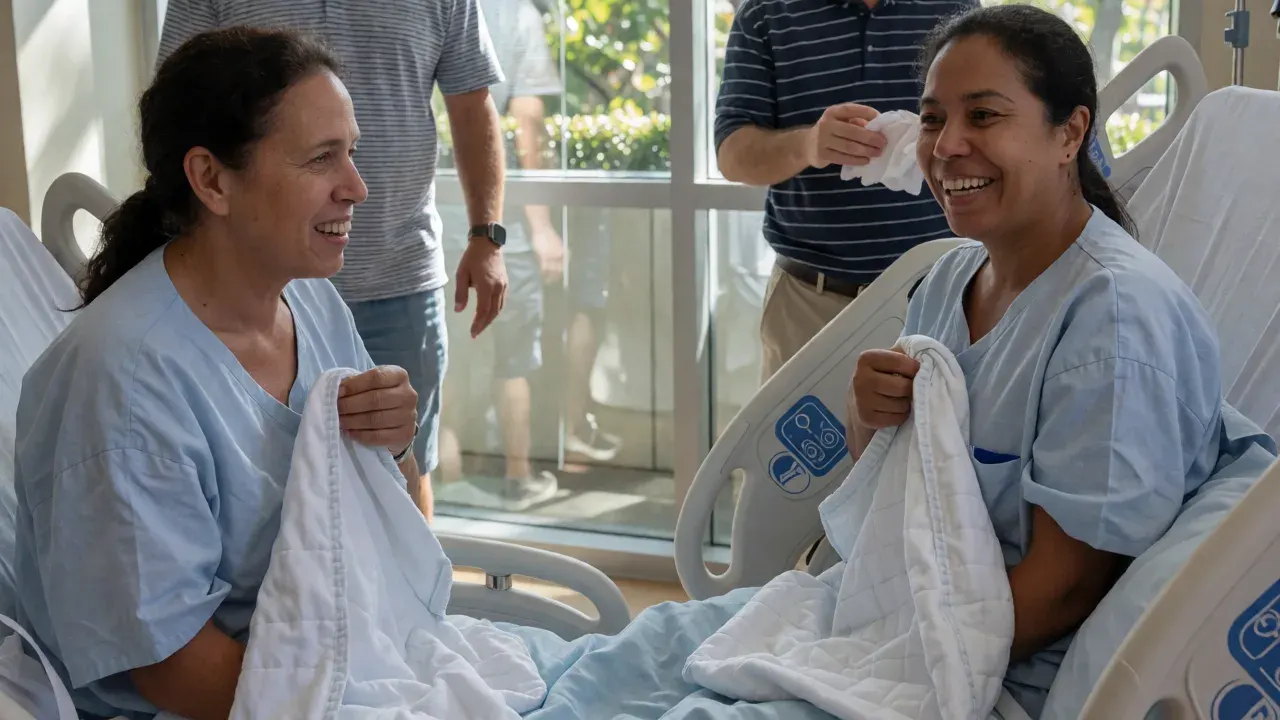
Imagine waiting two years for a miracle only to see it drop to less than a week. That is exactly what happened for a patient living with HIV who had been on the waitlist for a kidney for over two years. This patient was told an organ offer was not coming anytime soon. But once they joined a specific new program at Cedars-Sinai the deal changed. They received a life saving organ in less than seven days. This is a massive win for medical innovation and it changes the game for patients in Los Angeles.
This success is not a fluke. Cedars-Sinai has officially performed its first kidney and liver transplants using organs from deceased donors who also had HIV. These organs were transplanted into recipients who also have HIV. This new HIV-to-HIV transplant program is currently the only one of its kind in the Los Angeles area. The hospital brought together a coalition of liver and kidney transplant surgeons nephrologists hepatologists transplant pharmacists infectious disease experts and transplant coordinators to make this happen. It took a village to launch this initiative but the result is clear.
We have to look at the facts to understand how big this is. Just over a decade ago federal law actually prohibited organs from donors with HIV from being transplanted into anyone including those who were HIV-positive. That changed in 2013 with the passage of the HIV Organ Policy Equity Act. This law allowed clinical researchers to study HIV-to-HIV transplants. After years of research proved the safety and effectiveness of this approach the rules were amended in 2024. The strict research requirements were removed allowing this life saving option to become standard care. Cedars-Sinai formed a multidisciplinary committee of experts to bring this program to life immediately.

The medical management behind this success is as impressive as the transplant itself. Thanks to advances in antiretroviral therapy people with HIV are living significantly longer and healthier lives. The vast majority of patients we see living with HIV have their disease well controlled often with only one pill a day and minimal side effects. In a sense it is almost become easier to manage HIV than it is other chronic conditions like hypertension and diabetes. This makes the transplant process much smoother. Christopher Foltz MD lead infectious disease specialist for the program connects with every potential recipient to ensure their HIV is managed. He works with pharmacists to adjust medication regimens when patients start taking post-transplant immunosuppressant drugs. He also closely follows patients after surgery to ensure their HIV viral load remains undetectable.
This program also saves the system money and lives. More than 95000 patients are on the kidney transplant waitlist according to data from the Health Resources & Services Administration. Most people will wait three to five years for a deceased donor kidney. In densely populated areas like Southern California that time frame can increase to eight to ten years. For HIV-positive patients being listed on a separate list for HIV-positive donor organs can drastically reduce their wait. This translates to several years these patients will not have to be on dialysis. This gets them back to their normal life more quickly and saves hundreds of thousands of taxpayer dollars. While patients with kidney failure can live many years on dialysis there is no similar treatment for patients with liver failure. These patients are listed on the transplant waitlist based on their Model for End-Stage Liver Disease score.
Looking at the future this program is just beginning. With the first few HIV-to-HIV transplants successfully completed the team looks forward to making this option available to more HIV-positive patients. At Cedars-Sinai we strive to be on the leading edge of medical innovation to provide outstanding patient care and support to as many patients as possible. Our HIV-to-HIV transplant program is a prime example of that effort. To be able to transplant more individuals and help them live longer healthier lives is an honor. The program is already changing lives and offering new hope to those who need it most.
If you are living with HIV you might wonder how you can give back to your community. Organ donations are lifesaving and I think it can be really uplifting to them to know they can support others in their community in this way. If you were to ask most people living with HIV they probably would assume they are not eligible to be an organ donor but that is no longer the case. Donating can be a powerful way to leave a legacy. If you want to make a difference consider registering as an organ donor today.
First reported by Cedars-Sinai Newsroom.
More in Good News
- Historical Milestones: From Scientific Breakthroughs to Civil Rights Advancements
A retrospective look at significant global events occurring on October 7, spanning musical achievements, scientific discoveries, and social progress.
- October 3: Korean Foundation Day, Lincoln’s Thanksgiving, and TV Classics
Marking mythic descent, national unity, and cultural milestones across centuries.
- The Secret Sauce of the Best Food Pantries is Dignity
Why the best food banks treat hunger like a temporary pause not a permanent state