

Your Knee Pain Might Not Be Arthritis: Why That Leg Cramp Could Be a 'Heart Attack of the Leg'
New guidelines highlight how PAD affects different communities differently.

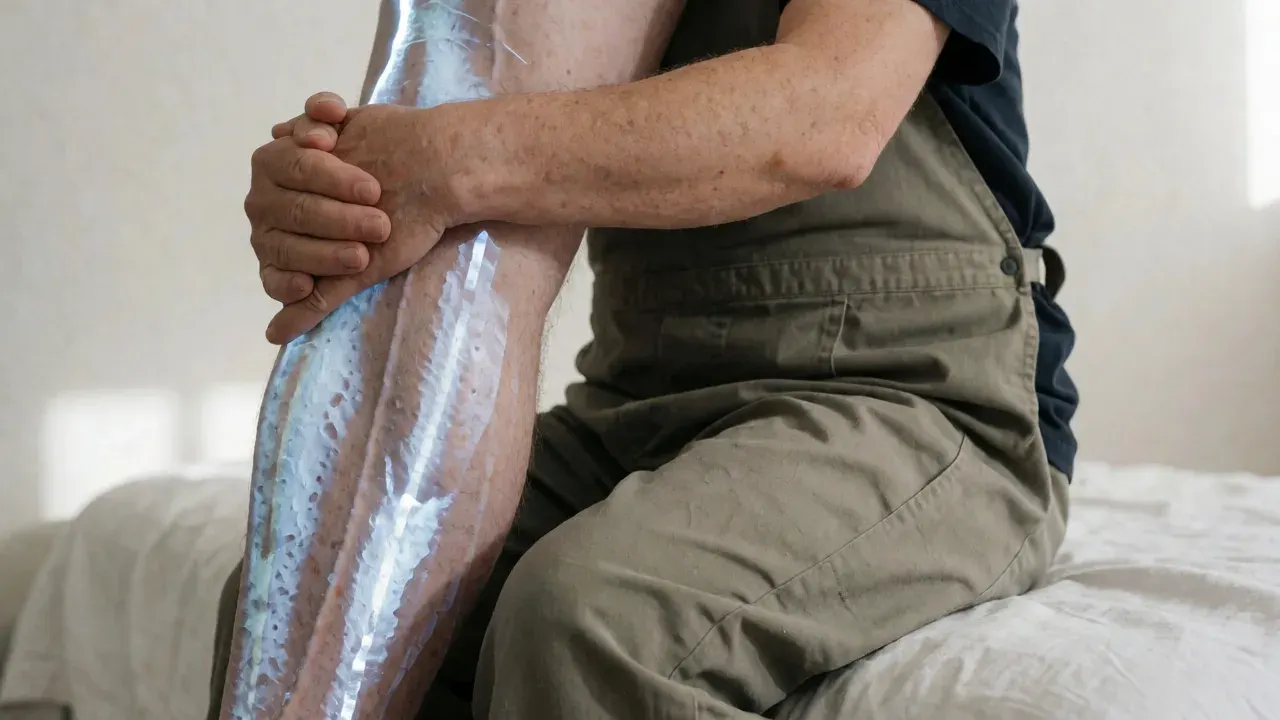
Let's be real. We all have bad days. The knees click. The back aches. We blame it on the weather or the fact that we sat too long at our desks. We scroll through fitness apps promising 'forever young' legs and figure a little soreness is just the price of entry. But what if that leg pain isn't just aging? What if it is a warning bell ringing just for you? It is easy to dismiss a cramp while walking to the mailbox or the bus stop. However, persistent pain in your legs during movement might actually be a sign that something bigger is happening underneath your skin. It could be a condition known as peripheral artery disease or PAD. This is not just a nuisance. It is a serious issue that requires attention. Specialists in vascular medicine explain that PAD happens when plaque builds up inside your arteries. This buildup restricts blood flow. Most often, it affects the legs. But the process is the same one that leads to heart attacks and many strokes. Doctors sometimes jokingly call a severe case of PAD a 'heart attack of the leg' because it cuts off blood flow. When blood supply is suddenly cut off, the consequences can be severe. This is why PAD needs more attention than it is getting right now.
We often treat our legs like independent machines. We think about the legs as just part of the transportation system for the rest of the body. But they are connected to the heart and the vascular system in a much more complex way. When the flow is restricted, the muscles do not get the oxygen they need during exertion. This causes discomfort. It causes aching. It causes cramping. It causes fatigue. This specific type of discomfort is called claudication. It usually happens when you walk. It gets better when you stop and rest. But the symptoms are not always typical. Some people have very few symptoms or none at all. That is why PAD often flies under the radar. People might just walk less. They might avoid stairs. They might think it is simply arthritis or the normal wear and tear of getting older. This misunderstanding is dangerous because PAD is actually a cardiovascular disease. It serves as a warning sign about your overall heart health.
It is frustrating to realize how much of this knowledge is missing from our healthcare system. A recent report indicates that Canadian medical students may receive only about 15 minutes of specific education regarding PAD during their entire training. It seems like a lot of time is spent on other things. This lack of awareness extends to the public as well. Many patients do not realize PAD is a cardiovascular issue. They interpret their walking difficulties as a normal part of aging. This gap is significant because it delays diagnosis. We know that the earlier this condition is caught, the better the outcomes. One of the simplest tools available to diagnose PAD is the ankle-brachial index or ABI. This is a noninvasive test. It compares the blood pressure in your ankle with the pressure in your arm. A lower pressure in the leg indicates narrowed arteries. Despite this being a simple test, access to it varies widely. Guidelines recommend it for high-risk patients, but its use remains limited in many primary care settings. This means the disease can progress unnoticed until it reaches a late stage.

The burden of PAD is not shared equally. This is a fact we cannot ignore. People who smoke and those living with diabetes have the greatest risk. It disproportionately affects those living on lower incomes. It hits people in rural and remote communities hard. It also takes a toll on Indigenous peoples and other underserved populations. These groups often face greater barriers to preventive care and timely diagnosis. They might live far away from vascular specialists. They might lack access to transportation. They might face systemic inequities that make navigating the healthcare system difficult. Structural barriers like poverty and food insecurity contribute to these disparities. For Indigenous people, these challenges are compounded by historical and ongoing systemic issues. The Canadian Society of Vascular Medicine and Prevention developed the Canadian National Action Plan for Peripheral Artery Disease. This document serves as a road map for change. It focuses on six key areas: awareness, earlier diagnosis, better treatment and care pathways, Indigenous-led care, research, and advocacy. The goal is to ensure that where someone lives or how much they earn does not determine their destiny regarding vascular disease.
It is time to change how we approach PAD. The good news is that much of the harm associated with PAD is preventable. Once the condition is recognized, there are effective ways to manage it. These include quitting smoking. This is one of the most impactful changes you can make. You need to control blood pressure, cholesterol, and diabetes. Taking appropriate low-cost medications is also part of the equation. And yes, participating in regular walking exercise is crucial. For people with more advanced disease, procedures are available to restore blood flow. However, the challenge is getting this evidence-based care to the people who need it most. The Action Plan proposes practical changes to the system. These include expanding access to ankle-pressure testing. It calls for bringing screening into rural and remote communities. It suggests using virtual consultations to connect patients with vascular specialists. It also aims to improve access to supervised exercise programs. These are not just nice ideas. They are necessary steps to fix a broken system.
We need coordinated care pathways to reduce the friction for patients. Currently, navigating the healthcare system can feel like a maze. The Action Plan calls for multidisciplinary PAD centers. These centers would bring together medical treatment, diagnostic testing, vascular procedures, and support services all in one place. This includes services for exercise, smoking cessation, and wound care. Instead of forcing patients to bounce between different specialists and different locations, a PAD center would offer a holistic approach. This builds on previous calls for centers of excellence and team-based vascular care. The goals are straightforward. We want to raise awareness. We want to diagnose PAD earlier. We want to prevent avoidable amputations and hospitalizations. We want to preserve mobility and quality of life. We want to make high-quality vascular care equitable across Canada.
Ultimately, PAD should not be a disease discovered only after someone develops a nonhealing wound or loses a limb. Leg pain with walking deserves attention. It deserves a serious look. Recognizing PAD earlier provides an opportunity to protect a person's legs and mobility. More importantly, it provides an opportunity to protect their heart, brain, and life. Do not wait for the pain to become unbearable. Listen to what your legs are telling you.
First reported by Medical Xpress.
More in Health & Nutrition
- Long-term opioid use fails to alleviate chronic back pain, Northwestern University study suggests
Researchers identified distinct brain activity patterns and molecular markers that may guide future treatments for pain management and opioid tapering.
- Human tau seeds trigger disease-specific shapes in mouse brains, new study finds
Study in Nature shows that injectable human tau aggregates from Alzheimer’s and corticobasal degeneration template their 3D folds onto mouse tau, supporting the prion-like seeding model.
- Menopause Largely Missing from Electronic Health Records Despite Its Health Impact
study of nearly 240,000 women finds only 12% of electronic records include menopause status, even though over half reported being in transition.