World Bank Explores Stablecoins for International Payments
The World Bank Group has announced a partnership with Citi and Circle to investigate the use of regulated stablecoins in international financial transactions, aiming to improve efficiency and transparency.


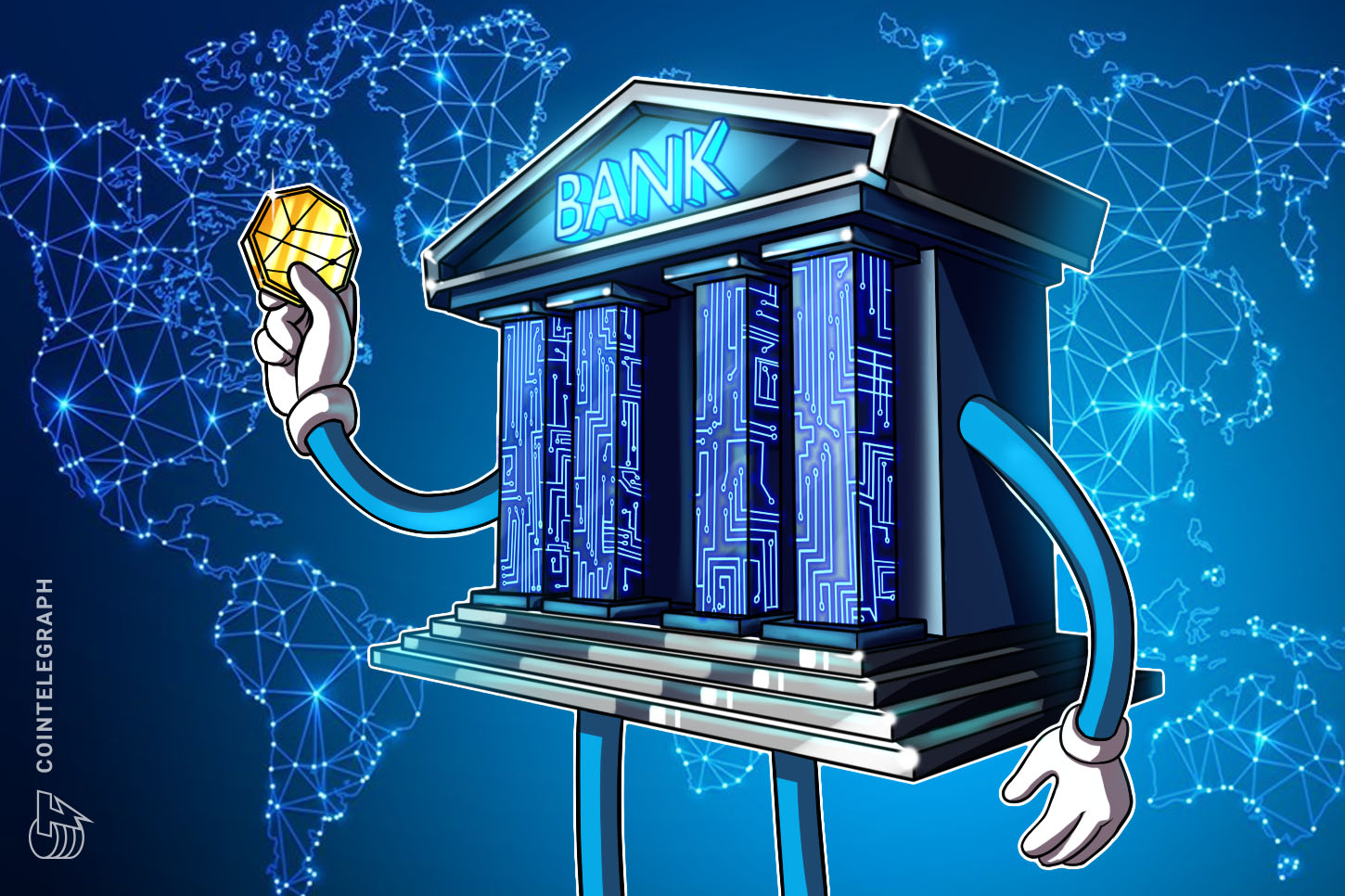
The World Bank Group (WBG) has announced a commitment to explore regulated stablecoin infrastructure and its potential to improve the cost-efficiency, speed, and transparency of payments and financial settlements for its clients (World Bank Group, 2026). This initiative builds on the WBG’s existing blockchain platform, FundsChain, which aims to create more fund traceability for investments in developing countries (CoinTelegraph, 2026). The World Bank Group will work with Citi and Circle to see how payments in stablecoins tied to the US dollar could fit into the banking network it already uses to send money abroad, according to a press release (World Bank Group, 2026). [1] [2]
Circle would provide the tools for USDC (USDC) issuance and transfers, while Citi would connect the project to existing banking networks (CoinTelegraph, 2026). The group plans to start with borrowing countries that allow the use of digital assets (World Bank Group, 2026). The bank began rolling out blockchain tool FundsChain in 2025 to let project teams and auditors see where the money goes. The bank says the tool now covers more than 350 projects in 96 countries (CoinTelegraph, 2026). [1] [2]
The World Bank in 2023 warned that widespread use of stablecoins could displace local money and make it harder for central banks to manage economies (CoinTelegraph, 2026). In June, CGAP, a research group based at the World Bank, examined using stablecoins to deliver humanitarian aid. The report found that stablecoins can make it easier for an aid agency to move money across borders. However, when recipients are paid directly in stablecoins, they may have to pay to convert them to local currency (CoinTelegraph, 2026). [1]
The World Bank Group (WBG) has announced a commitment to explore regulated stablecoin infrastructure and its potential to improve the cost-efficiency, speed, and transparency of payments and financial settlements for its clients (World Bank Group, 2026). This initiative builds on the WBG’s existing blockchain platform, FundsChain, which aims to create more fund traceability for investments in developing countries (CoinTelegraph, 2026). The WBG plans to work with Citi and Circle to see how payments in stablecoins tied to the US dollar could fit into the banking network it already uses to send money abroad, according to a press release (CoinTelegraph, 2026). [1] [2]
Advertisement
Circle would provide the tools for USDC (USDC) issuance and transfers, while Citi would connect the project to existing banking networks (CoinTelegraph, 2026). The initiative is designed to explore how U.S. dollar-denominated regulated stablecoins and associated blockchain-based payment rails could work alongside or improve existing World Bank Group funds disbursement arrangements based on correspondent banking architecture (World Bank Group, 2026). Currently, more than 350 projects across 96 countries are onboarded to FundsChain's digital ledgers, allowing all parties involved in a project to see how funds are being used (CoinTelegraph, 2026). [1] [2]
The World Bank Group President, Ajay Banga, emphasized that the initiative is about exploring ways to make the financial plumbing of development work better for the people who need it most (World Bank Group, 2026). The initial exploration will focus on an intermediated and interoperable stablecoin-based payment model and will engage borrower countries where the use of digital assets is supported and permitted (World Bank Group, 2026). Over time, the WBG will explore opportunities to collaborate with other banks to broaden the reach of this initiative (World Bank Group, 2026). [2]
The World Bank Group (WBG) has announced a commitment to explore regulated stablecoin infrastructure and its potential to improve the cost-efficiency, speed, and transparency of payments and financial settlements for its clients (World Bank Group, 2026). The initiative builds on the World Bank’s existing blockchain platform, which aims to create more fund traceability for investments in developing countries (CoinTelegraph, 2026). [1] [2]
Circle would provide the tools for USDC (USDC) issuance and transfers, while Citi would connect the project to existing banking networks (CoinTelegraph, 2026). The group plans to start with borrowing countries that allow the use of digital assets (CoinTelegraph, 2026). [1]
Advertisement
The World Bank Group President, Ajay Banga, emphasized that the initiative is about exploring ways to make the financial plumbing of development work better for the people who need it most (World Bank Group, 2026). The initiative builds on FundsChain, one of the World Bank Group's blockchain platforms that has increased the traceability of fund disbursements across investment projects in developing countries (World Bank Group, 2026). [2]
Sources
Prepared with AI assistance from the cited sources.
The Cali Reporter newsletter
The stories worth your time.
California, the country, and what comes next. Join our free newsletter for reporting that keeps you informed.
More in Business
- Kirkland Signature Meals: A Family's Take on Taste and Value
A family's review of Kirkland Signature meals highlights a mix of flavors, textures, and value at Costco, with some dishes standing out while others fall short of expectations.
- Ex-OpenAI Engineer Donates Equity to AI Safety
Jacob Coxon, a former engineer at OpenAI and Anthropic, has pledged to donate his equity in OpenAI to AI safety research, citing concerns over the risks of uncontrolled AI development.
- Scottish Hacker Sentenced for Crypto Theft Scheme
A Scottish hacker has been sentenced to six years in U.S. federal prison for orchestrating a large-scale cryptocurrency theft operation, according to a report from the U.S. Attorney’s Office for the Central District of…