Williamsburg's Transformation into a Tech Hub
Williamsburg, once known for its artistic and countercultural roots, has become a magnet for tech workers, according to a Business Insider report. The neighborhood's evolution reflects a broader trend of tech industry…

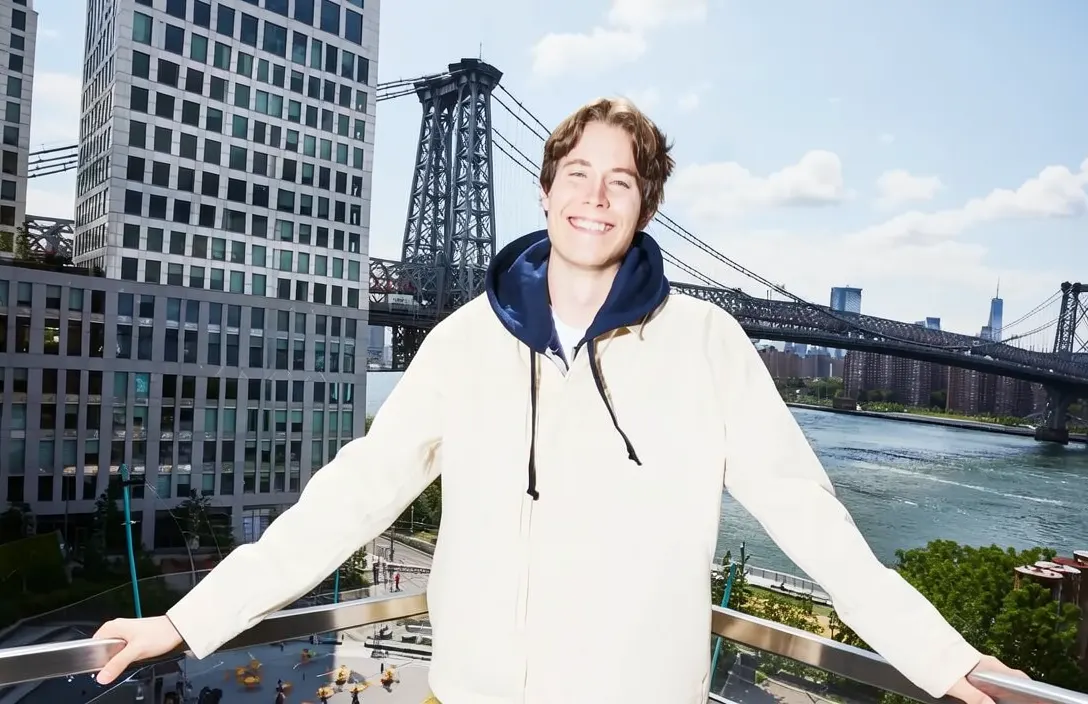
Williamsburg has become a new focal point for tech workers in New York City, drawing comparisons to San Francisco due to its growing concentration of tech professionals. According to Census data between 2020 and 2024, nearly 9% of Williamsburg's employed residents worked in computer and mathematical occupations, more than twice the citywide share of about 4% (Business Insider). This shift is evident in the neighborhood's streets, where conversations about AI, Anthropic, compute credits, and Nvidia are common among residents (Business Insider). [1]
The transformation of Williamsburg is attributed in part to real estate developments and incentives that have attracted tech companies. Real estate developers along the East River waterfront have offered post-pandemic office deals and city tax benefits to startups, contributing to the neighborhood's appeal (Business Insider). The former Domino Sugar refinery, now a luxury office space, is home to 75% tech companies, with half of those in AI (Business Insider). [1]
Despite the influx of tech workers, Williamsburg retains some of its artistic legacy, with galleries, street art, and concert halls still present. The neighborhood's appeal lies in its rich artistic history, which provides a creative environment that aligns with the interests of many tech companies (Business Insider). However, the area has also seen the rise of luxury condos and private equity-owned retail, shifting its character from a gritty bar scene to a more upscale atmosphere (Business Insider). [1]
Williamsburg has become a new focal point for tech workers in New York City, drawing comparisons to San Francisco due to its growing concentration of tech professionals. According to Business Insider, Hunter Dickinson, the head of growth for Whop, describes Williamsburg as having "San Fran transplant" energy. Between 2020 and 2024, Census data shows that nearly 9% of Williamsburg's employed residents worked in computer and mathematical occupations, more than twice the citywide share of about 4% (source ID: 1). [1]
Advertisement
The transformation of Williamsburg is attributed in part to real estate developments and incentives that have attracted tech companies. Business Insider reports that real estate developers, especially along the East River waterfront, have coaxed startups with post-pandemic office deals and city tax benefits. The Census Bureau's 2020-2024 data estimates the neighborhood's median household income was roughly $149,000, compared with $80,500 citywide (source ID: 1). [1]
Despite the influx of tech workers, Williamsburg retains some of its artistic legacy, with galleries, street art, and concert halls still present. Business Insider notes that the neighborhood has long been home to Polish, Jewish, Puerto Rican, and Dominican communities, and it still contains one of the largest Hasidic hubs in America. In the 1990s, it earned the title of "new Bohemia," and gave rise to a new school of art called Immersionism (source ID: 1). [1]
Williamsburg has become a new focal point for tech workers in New York City, drawing comparisons to San Francisco due to its growing concentration of tech professionals. The transformation of Williamsburg is attributed in part to real estate developments and incentives that have attracted tech companies. According to Business Insider, the neighborhood's appeal to tech workers is evident in the significant increase in computer and mathematical occupations among employed residents, with nearly 9% of Williamsburg's employed residents working in these fields between 2020 and 2024, more than twice the citywide share of about 4% (Source ID: 1). [1]
Real estate developers have played a crucial role in attracting tech companies to Williamsburg by offering post-pandemic office deals and city tax benefits. The Census Bureau's 2020–2024 data estimates the neighborhood's median household income was roughly $149,000, compared with $80,500 citywide (Source ID: 1). This economic shift has led to a transformation of the neighborhood, with luxury condos and private equity-owned retail replacing gritty bars and artists' lofts. The former Domino Sugar refinery, now a luxe office space, is a prime example of this change, with 75% of its occupants being tech companies (Source ID: 1). [1]
Advertisement
Despite the influx of tech workers, Williamsburg retains some of its artistic legacy, with galleries, street art, and concert halls still present. The neighborhood has long been home to diverse communities, including Polish, Jewish, Puerto Rican, and Dominican populations, and it still contains one of the largest Hasidic hubs in America. In the 1990s, Williamsburg earned the title of "new Bohemia," and gave rise to a new school of art called Immersionism (Source ID: 1). [1]
Williamsburg has become a new focal point for tech workers in New York City, drawing comparisons to San Francisco due to its growing concentration of tech professionals. According to Business Insider, the neighborhood has seen a significant influx of tech workers, with nearly 9% of Williamsburg's employed residents working in computer and mathematical occupations between 2020 and 2024, more than twice the citywide share (source ID: 1). [1]
Real estate developers have played a crucial role in attracting tech companies to Williamsburg by offering post-pandemic office deals and city tax benefits. The transformation of Williamsburg is attributed in part to these developments, which have helped attract startups and tech firms to the area. The former Domino Sugar refinery, now a luxe office space, is one such example, with 75% of its occupants being tech companies (source ID: 1). [1]
Despite the influx of tech workers, Williamsburg retains some of its artistic legacy, with galleries, street art, and concert halls still present. The neighborhood's rich artistic history, including its role as a hub for indie rock and the rise of the Immersionism art movement in the 1990s, continues to shape its identity. This blend of tech and art is seen in initiatives like the AI design startup Flora hosting digital art shows in the Domino building (source ID: 1). [1]
Advertisement
The Cali Reporter newsletter
The stories worth your time.
California, the country, and what comes next. Join our free newsletter for reporting that keeps you informed.
More in Business
- Kirkland Signature Meals: A Family's Take on Taste and Value
A family's review of Kirkland Signature meals highlights a mix of flavors, textures, and value at Costco, with some dishes standing out while others fall short of expectations.
- Ex-OpenAI Engineer Donates Equity to AI Safety
Jacob Coxon, a former engineer at OpenAI and Anthropic, has pledged to donate his equity in OpenAI to AI safety research, citing concerns over the risks of uncontrolled AI development.
- Scottish Hacker Sentenced for Crypto Theft Scheme
A Scottish hacker has been sentenced to six years in U.S. federal prison for orchestrating a large-scale cryptocurrency theft operation, according to a report from the U.S. Attorney’s Office for the Central District of…