WHO Warns of Growing Antimicrobial Resistance Threat
The World Health Organization has issued a stark warning about the increasing threat of antimicrobial resistance, which could lead to millions of deaths and jeopardize modern medical practices.

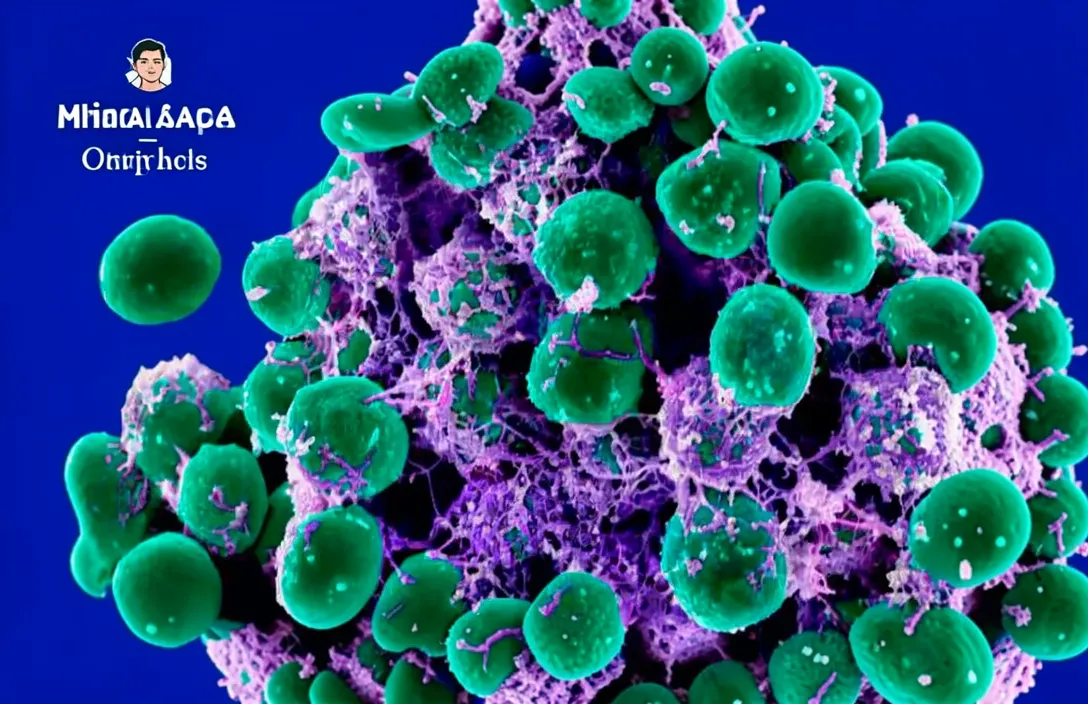

The World Health Organization (WHO) has warned that growing antimicrobial resistance could cause 39 million deaths over the next 25 years as it threatens to make routine surgery and childbirth life-threatening (source ID: 1). Senior officials from the United Nations health agency said that progress in prevention, diagnosis, and the appropriate use of antibiotics remained too slow to meet global targets. [1]
Jean-Pierre Nyemazi, acting director of the WHO’s AMR department, stated that antimicrobial resistance is widespread and threatening the future of modern medicine. He emphasized that drug-resistant infections have been taking people’s lives for years without sufficient public awareness or action (source ID: 1). In 2021 alone, it was directly responsible for more than one million deaths and linked to about 4.7 million others, according to WHO figures. [1]
An investigation into the progress of the fight against antimicrobial resistance in 183 countries revealed that nearly nine in 10 countries had a national action plan against the phenomenon. However, only 42 countries had a plan that was financed, implemented, and monitored (source ID: 1). The latest global surveillance data show that, in 2023, one in every six laboratory-confirmed bacterial infections flagged to the WHO was resistant to antibiotics used to treat it. [1]
The World Health Organization (WHO) has warned that growing antimicrobial resistance could cause 39 million deaths over the next 25 years as it threatens to make routine surgery and childbirth life-threatening (source ID: 1). Senior officials from the United Nations health agency said on Monday progress in prevention, diagnosis and the appropriate use of antibiotics remained too slow to meet global targets. [1]
Advertisement
Jean-Pierre Nyemazi, acting director of the WHO’s AMR department, stated that antimicrobial resistance is widespread and threatening the future of modern medicine. Unlike COVID-19, which was very visible, drug-resistant infections have been taking people’s lives for years without us noticing it and raising the alarm as we should, he said. [1]
An investigation into the progress of the fight against antimicrobial resistance in 183 countries revealed that nearly nine in 10 countries had a national action plan against the phenomenon. In 2017, the figure was just about four in 10. Pravasha Prakash, an AMR technical officer with the global health agency, said only 42 countries – less than one in five – had a plan that was financed, implemented and monitored. [1]
The latest global surveillance data show that, in 2023, one in every six laboratory-confirmed bacterial infections flagged to the WHO was resistant to antibiotics used to treat it. Sylvia Bertagnolo, head of surveillance for AMR at the WHO, said, 'Without testing, clinicians must treat without knowing the cause of infection or which antibiotic will work.' [1]
The World Health Organization (WHO) has warned that growing antimicrobial resistance could cause 39 million deaths over the next 25 years as it threatens to make routine surgery and childbirth life-threatening (source ID: 1). Senior officials from the United Nations health agency said on Monday progress in prevention, diagnosis, and the appropriate use of antibiotics remained too slow to meet global targets. Jean-Pierre Nyemazi, acting director of the WHO’s AMR department, stated that antimicrobial resistance is widespread and threatening the future of modern medicine. Unlike COVID-19, which was very visible, drug-resistant infections have been taking people’s lives for years without us noticing it and raising the alarm as we should, he said. [1]
Advertisement
In 2021 alone, antimicrobial resistance was directly responsible for more than one million deaths and linked to about 4.7 million others, according to WHO figures (source ID: 1). An investigation into the progress of the fight against antimicrobial resistance in 183 countries this year revealed that nearly nine in 10 countries had a national action plan against the phenomenon. In 2017, the figure was just about four in 10. Pravasha Prakash, an AMR technical officer with the global health agency, said only 42 countries – less than one in five – had a plan that was financed, implemented, and monitored. [1]
The latest global surveillance data show that, in 2023, one in every six laboratory-confirmed bacterial infections flagged to the WHO was resistant to antibiotics used to treat it (source ID: 1). Sylvia Bertagnolo, head of surveillance for AMR at the WHO, said, 'Without testing, clinicians must treat without knowing the cause of infection or which antibiotic will work.' The WHO announced the release of two new tools designed to help countries strengthen diagnostic capabilities. The first defines the tests that should be available at every level of the healthcare system, from primary care centres to referral hospitals. [1]
The World Health Organization (WHO) has announced the release of two new tools designed to help countries strengthen diagnostic capabilities (source ID: 1). The first tool defines the tests that should be available at every level of the healthcare system, from primary care centres to referral hospitals. This initiative aims to ensure that healthcare providers have access to the necessary diagnostic tools to identify infections and determine the most effective treatments. [1]
The second tool compiles 73 laboratory procedures, from sample collection to the identification of pathogens and antibiotic susceptibility testing (source ID: 1). This comprehensive guide is intended to support healthcare professionals and laboratories in performing accurate and reliable diagnostic tests, which are essential for the appropriate use of antimicrobials and the prevention of drug resistance. [1]
Advertisement
Sylvia Bertagnolo, head of surveillance for AMR at the WHO, emphasized the importance of testing in the fight against antimicrobial resistance, stating, “Without testing, clinicians must treat without knowing the cause of infection or which antibiotic will work” (source ID: 1). The release of these tools is part of the WHO’s broader strategy to improve diagnostic capabilities and support the global fight against AMR. [1]
Sources
Prepared with AI assistance from the cited sources.
The Cali Reporter newsletter
The stories worth your time.
California, the country, and what comes next. Join our free newsletter for reporting that keeps you informed.
More in World
- Irish Man Charged with Destroying U.S. Military Aircraft at Shannon Airport
A man from Ireland has been indicted for allegedly destroying a U.S. military aircraft at Shannon Airport, according to prosecutors in New York.
- Trump's APEC Summit and Strategic Meetings
President Donald Trump is set to attend the APEC summit in Shenzhen, China, where he is expected to meet with Chinese President Xi Jinping and participate in a trilateral meeting with Russian President Vladimir Putin,…
- Early Snowfall in Northern England and Scotland
Snowfall occurred in parts of Northern England and southern Scotland, with subsequent melting due to milder temperatures, according to the BBC.