Whistleblower Alleges Dismissal of Drone Attack Warnings in Kuwait
A whistleblower has accused the US military of ignoring security warnings that led to a deadly drone strike in Kuwait, killing six American soldiers.

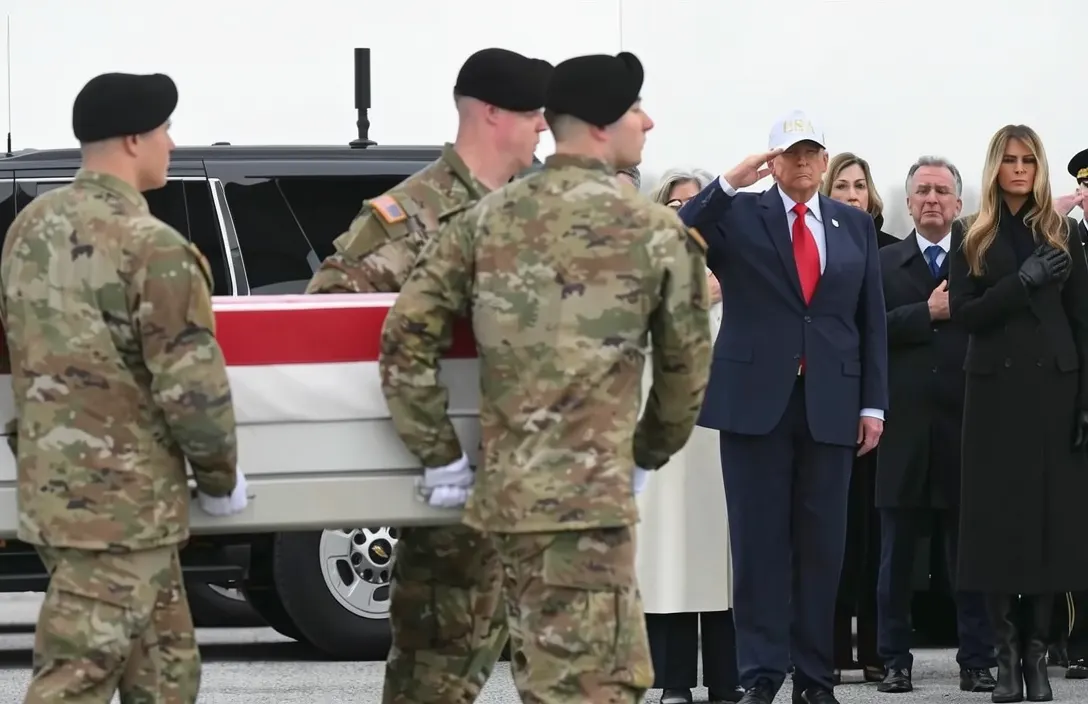

A whistleblower has accused the US military of dismissing advanced security warnings that led to a deadly drone strike in Kuwait, killing six American soldiers and injuring dozens, including the whistleblower themselves. The complaint, obtained by Al Jazeera English, details how the military allegedly ignored repeated warnings about the vulnerability of the Port of Shuaiba to drone attacks (1). [1]
The 14-page letter, submitted to the House and Senate Armed Services committees, claims that the commanding general of the 1st Theater Sustainment Command was directly informed at least three times in the week before hostilities about the potential threat to the port (1). [1]
The whistleblower further alleges that the installation lacked adequate medical support, with no physician, no fixed aid station, and only one ambulance on site. The soldier claims that at least one of the victims could have survived if proper medical resources had been available (1). [1]
The US military has completed its investigation of the attack but has not publicly released its findings. Defense Secretary Pete Hegseth described the drone as a 'squirter' that 'happened to hit a tactical operations centre that was fortified' (1). [1]
Advertisement
A whistleblower has accused the US military of dismissing advanced security warnings that led to a deadly drone strike in Kuwait, killing six American soldiers and injuring dozens, including the whistleblower themselves. The 14-page letter, submitted to the House and Senate Armed Services committees, claims that the commanding general of the 1st Theater Sustainment Command was directly informed at least three times in the week before hostilities about the potential threat to the port (1). [1]
The whistleblower further alleges that the installation lacked adequate medical support, with no physician, no fixed aid station, and only one ambulance on site. The complaint states that at least one of those killed 'could have survived' if there was adequate medical support on site. The soldier, who is not named, also alleges the installation had these deficiencies at the time of the attack (1). [1]
The army says it has completed its investigation of the Port of Shuaiba attack but has not publicly released its findings. In a news conference following the incident, Defense Secretary Pete Hegseth described the drone as a 'squirter' that 'happened to hit a tactical operations centre that was fortified' (1). [1]
A whistleblower has accused the US military of dismissing advanced security warnings that led to a deadly drone strike in Kuwait, killing six American soldiers and injuring dozens, including the whistleblower themselves. The 14-page letter, submitted to the House and Senate Armed Services committees, claims that the commanding general of the 1st Theater Sustainment Command was directly informed at least three times in the week before hostilities about the potential threat to the port (1). [1]
Advertisement
The whistleblower further alleges that the installation lacked adequate medical support, with no physician, no fixed aid station, and only one ambulance on site. The soldier, who is not named, also alleges that at least one of those killed could have survived if there was adequate medical support on site (1). [1]
The army says it has completed its investigation of the Port of Shuaiba attack but has not publicly released its findings. In a news conference following the incident, Defense Secretary Pete Hegseth described the drone as a 'squirter' that 'happened to hit a tactical operations centre that was fortified' (1). [1]
A whistleblower has accused the US military of dismissing advanced security warnings that led to a deadly drone strike in Kuwait, killing six American soldiers and injuring dozens, including the whistleblower themselves. The 14-page letter, submitted to the House and Senate Armed Services committees, claims that the commanding general of the 1st Theater Sustainment Command was directly informed at least three times in the week before hostilities about the potential threat to the port (1). [1]
The whistleblower further alleges that the installation lacked adequate medical support, with no physician, no fixed aid station, and only one ambulance on site. The complaint, obtained by Al Jazeera English on Tuesday, is tied to an Iranian one-way attack drone that evaded air defences at the outpost within the first 48 hours of the war. Six service members were killed, and dozens were injured, including the whistleblower. It remains the deadliest assault on US forces since the war commenced. [1]
Advertisement
The 14-page letter, submitted on Friday to the House and Senate Armed Services committees, alleges that the army repeatedly brushed aside warnings that the Port of Shuaiba in Kuwait was vulnerable to drone attacks. Though the site was fortified, there was no roof. The soldier, who is not named, also alleges the installation had 'no physician, no fixed aid station, and only one ambulance', adding that at least one of those killed 'could have survived' if there was adequate medical support on site. [1]
Sources
Prepared with AI assistance from the cited sources.
The Cali Reporter newsletter
The stories worth your time.
California, the country, and what comes next. Join our free newsletter for reporting that keeps you informed.
More in World
- Irish Man Charged with Destroying U.S. Military Aircraft at Shannon Airport
A man from Ireland has been indicted for allegedly destroying a U.S. military aircraft at Shannon Airport, according to prosecutors in New York.
- Trump's APEC Summit and Strategic Meetings
President Donald Trump is set to attend the APEC summit in Shenzhen, China, where he is expected to meet with Chinese President Xi Jinping and participate in a trilateral meeting with Russian President Vladimir Putin,…
- Early Snowfall in Northern England and Scotland
Snowfall occurred in parts of Northern England and southern Scotland, with subsequent melting due to milder temperatures, according to the BBC.