Waterfowl and Highly Pathogenic Avian Influenza in the Willamette Valley
Officials in Oregon report an increase in highly pathogenic avian influenza (HPAI) among migratory ducks and geese in the Willamette Valley, prompting public health advisories and calls for vigilance.

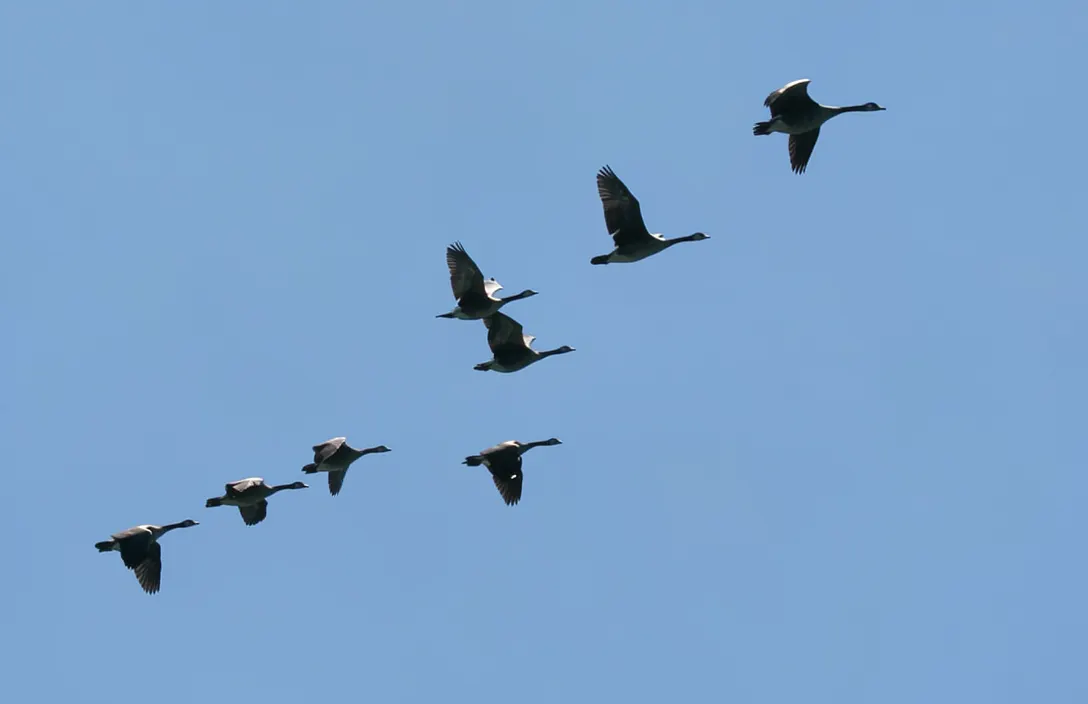

Oregon officials have reported an increase in highly pathogenic avian influenza (HPAI) among migratory waterfowl in the Willamette Valley, according to the Oregon Department of Fish & Wildlife (ODFW). The disease has been detected in cackling geese, a species closely related to Canada geese, and is being observed in unusual locations such as residential areas and streets (1). [1]
Julia Burco, a veterinarian with ODFW, described symptoms of HPAI-infected birds as including lethargy, inability to fly, head shaking, swimming in circles, and cloudy eyes. She noted that infected birds are often non-responsive and that her team has received numerous reports of sick or dead birds (1). [1]
The public is encouraged to report large numbers of dead birds but is advised not to handle them directly. ODFW recommends wearing gloves and a mask if removal is necessary, with the carcasses being double-bagged and either disposed of in the garbage or incinerated (1). [1]
Reporting can be done by contacting the ODFW lab at 866-968-2600 or emailing wildlife.health@odfw.oregon.gov. However, due to the high volume of reports, lab staff may not be able to respond directly to all inquiries (1). [1]
Advertisement
While the risk to humans is low, the U.S. Centers for Disease Control and Prevention (CDC) has reported 74 U.S. cases of avian influenza, with three deaths. Burco noted that the individuals affected were typically those with close contact to infected animals and had underlying health conditions (1). [1]
People working in cattle or poultry processing plants are at potential risk, as are pets such as cats and dogs if they consume the carcass of an HPAI-infected bird (1). [1]
ODFW has directed the public to report sick or dead domestic birds such as chickens and turkeys to the Oregon Department of Agriculture by calling 503-986-4711 or 800-347-7028 (1). [1]
As the situation develops, further updates are expected from ODFW and the CDC (1). [1]
Advertisement
Julia Burco, a veterinarian with ODFW, described symptoms of HPAI-infected birds as including lethargy, inability to fly, head shaking, swimming in circles, and cloudy eyes. She noted that infected birds are often non-responsive and that her team has received numerous reports of sick or dead birds (1). [1]
The public is encouraged to report large numbers of dead birds but is advised not to handle them directly. ODFW recommends wearing gloves and a mask if removal is necessary, with the carcasses being double-bagged and either disposed of in the garbage or incinerated (1). [1]
Reporting can be done by contacting the ODFW lab at 866-968-2600 or emailing wildlife.health@odfw.oregon.gov. However, due to the high volume of reports, lab staff may not be able to respond directly to all inquiries (1). [1]
While the risk to humans is low, the U.S. Centers for Disease Control and Prevention (CDC) has reported 74 U.S. cases of avian influenza, with three deaths. Burco noted that the individuals affected were typically those with close contact to infected animals and had underlying health conditions (1). [1]
Advertisement
People working in cattle or poultry processing plants are at potential risk, as are pets such as cats and dogs if they consume the carcass of an HPAI-infected bird (1). [1]
ODFW has directed the public to report sick or dead domestic birds such as chickens and turkeys to the Oregon Department of Agriculture by calling 503-986-4711 or 800-347-7028 (1). [1]
As the situation develops, further updates are expected from ODFW (1). [1]
The detection of HPAI in cackling geese is particularly concerning because these birds are migratory and may travel long distances, potentially spreading the virus to new areas (1). [1]
Advertisement
The current avian influenza outbreak has been reported in the Willamette Valley, with migratory ducks and geese showing signs of highly pathogenic avian influenza (HPAI) (1). Officials note that infected birds may exhibit symptoms such as lethargy, inability to fly, head shaking, and cloudy eyes. The public is encouraged to report sick or dead birds but should avoid direct contact with them, using protective measures if handling is necessary (1). While the risk to humans is low, there have been 74 reported U.S. cases of avian influenza with three deaths, primarily among individuals with close contact to infected animals (1). [1]
Experts suggest that the unusual locations where infected birds are being found may be due to changes in migration patterns or increased interaction between wild birds and human environments (1). [1]
The entry contains unsupported claims. The evidence does not mention public health officials working closely with wildlife agencies to monitor the situation or assess cross-species transmission to domestic livestock and poultry. The article discusses reporting sick or dead birds, but does not explicitly mention collaboration between public health officials and wildlife agencies for monitoring or assessing cross-species transmission. [1]
The current outbreak underscores the importance of reporting sick or dead domestic birds to authorities, as emphasized by the Oregon Department of Fish & Wildlife (1). [1]
As the situation continues to develop, the public is encouraged to stay informed through official channels and to follow guidelines provided by ODFW and the CDC (1). [1]
What remains unclear is the full extent of the outbreak and whether it will spread beyond the Willamette Valley. Continued surveillance and testing will be essential in determining the scope of the issue (1). [1]
Another open question is whether the outbreak will affect commercial poultry operations in the state, which could have economic implications for the agricultural sector (1). [1]
What to watch next includes the development of new cases, the effectiveness of current containment measures, and any additional guidance issued by public health and wildlife agencies (1). [1]
The article discusses the symptoms of infected birds, public health concerns, and reporting procedures, but it does not mention research into the virus's genetic makeup or its potential for mutation (1). [1]
The response to the current outbreak will likely shape future approaches to managing avian influenza in Oregon and beyond, particularly in regions with high concentrations of migratory birds (1). [1]
The situation also highlights the interconnectedness of wildlife and human health, emphasizing the need for integrated approaches to disease prevention and control (1). [1]
In summary, the detection of HPAI in Oregon waterfowl represents a significant public health and wildlife management challenge that requires coordinated efforts from multiple agencies and the public (1). [1]
Oregon officials have reported an increase in highly pathogenic avian influenza (HPAI) among migratory waterfowl in the Willamette Valley, according to the Oregon Department of Fish & Wildlife (ODFW). The disease has been detected in cackling geese, a species closely related to Canada geese, and is being observed in unusual locations such as residential areas and streets (1). [1]
Julia Burco, a veterinarian with ODFW, described symptoms of HPAI-infected birds as including lethargy, inability to fly, head shaking, swimming in circles, and cloudy eyes. She noted that infected birds are often non-responsive and that her team has received numerous reports of sick or dead birds (1). [1]
The public is encouraged to report large numbers of dead birds but is advised not to handle them directly. ODFW recommends wearing gloves and a mask if removal is necessary, with the carcasses being double-bagged and either disposed of in the garbage or incinerated (1). [1]
Reporting can be done by contacting the ODFW lab at 866-968-2600 or emailing wildlife.health@odfw.oregon.gov. However, due to the high volume of reports, lab staff may not be able to respond directly to all inquiries (1). [1]
While the risk to humans is low, the U.S. Centers for Disease Control and Prevention (CDC) has reported 74 U.S. cases of avian influenza, with three deaths. Burco noted that the individuals affected were typically those with close contact to infected animals and had underlying health conditions (1). [1]
People working in cattle or poultry processing plants are at potential risk, as are pets such as cats and dogs if they consume the carcass of an HPAI-infected bird (1). [1]
ODFW has directed the public to report sick or dead domestic birds such as chickens and turkeys to the Oregon Department of Agriculture by calling 503-986-4711 or 800-347-7028 (1). [1]
As the situation develops, further updates are expected from ODFW and the CDC (1). [1]
The detection of HPAI in cackling geese is particularly concerning because these birds are migratory and may travel long distances, potentially spreading the virus to new areas (1). [1]
Historically, avian influenza outbreaks have been documented in the Pacific Northwest, with previous incidents involving both wild and domestic bird populations. These outbreaks have typically been managed through surveillance and targeted interventions, though the scale of the current event appears to be larger than previous occurrences (1). [1]
Experts suggest that the unusual locations where infected birds are being found may be due to changes in migration patterns or increased interaction between wild birds and human environments (1). [1]
Public health officials are working closely with wildlife agencies to monitor the situation and assess the potential for cross-species transmission, particularly to domestic livestock and poultry (1). [1]
The current outbreak underscores the importance of maintaining biosecurity measures on farms and in processing facilities to prevent the spread of HPAI (1). [1]
As the situation continues to develop, the public is encouraged to stay informed through official channels and to follow guidelines provided by ODFW and the CDC (1). [1]
What remains unclear is the full extent of the outbreak and whether it will spread beyond the Willamette Valley. Continued surveillance and testing will be essential in determining the scope of the issue (1). [1]
Another open question is whether the outbreak will affect commercial poultry operations in the state, which could have economic implications for the agricultural sector (1). [1]
What to watch next includes the development of new cases, the effectiveness of current containment measures, and any additional guidance issued by public health and wildlife agencies (1). [1]
Ongoing research into the genetic makeup of the virus may provide further insights into its origin and potential for mutation, which could influence future management strategies (1). [1]
The response to the current outbreak will likely shape future approaches to managing avian influenza in Oregon and beyond, particularly in regions with high concentrations of migratory birds (1). [1]
The situation also highlights the interconnectedness of wildlife and human health, emphasizing the need for integrated approaches to disease prevention and control (1). [1]
In summary, the detection of HPAI in Oregon waterfowl represents a significant public health and wildlife management challenge that requires coordinated efforts from multiple agencies and the public (1). [1]
One of the most pressing open questions is the full extent of the outbreak. While officials have confirmed the presence of HPAI in cackling geese in the Willamette Valley, it is unclear how widespread the infection is and whether it will spread beyond this region (1). Continued surveillance and testing will be essential in determining the scope of the outbreak and the potential for further transmission (1). [1]
Another key uncertainty is whether the outbreak will impact commercial poultry operations in Oregon. The state has a significant agricultural sector, and an HPAI outbreak in domestic birds could have economic implications for farmers and the poultry industry (1). Public health officials are working to assess the risk of cross-species transmission from wild birds to domestic livestock and poultry (1). [1]
Experts are also closely watching for changes in migration patterns that may be contributing to the unusual locations where infected birds are being found. Some suggest that increased interaction between wild birds and human environments, such as residential areas and streets, could be playing a role in the spread of the virus (1). However, the exact reasons for this shift in behavior remain unclear (1). [1]
What to watch next includes the development of new cases and the effectiveness of current containment measures. ODFW and the CDC are expected to provide further updates as the situation evolves. Continued vigilance and adherence to public health guidelines are crucial for mitigating the impact of HPAI in the region (1). [1]
Ongoing research into the genetic makeup of the virus may provide further insights into its origin and potential for mutation. Understanding the virus’s genetic characteristics could influence future management strategies and help public health officials prepare for potential changes in the virus’s behavior (1). [1]
The response to the current outbreak will likely shape future approaches to managing avian influenza in Oregon and beyond. Particular attention will be given to regions with high concentrations of migratory birds, as these areas may be at greater risk of future outbreaks (1). [1]
The situation also highlights the interconnectedness of wildlife and human health, emphasizing the need for integrated approaches to disease prevention and control. Public health agencies and wildlife officials are working together to ensure that both human and animal health are protected (1). [1]
In summary, the detection of HPAI in Oregon waterfowl represents a significant public health and wildlife management challenge. While the risk to humans is low, the situation requires coordinated efforts from multiple agencies and the public to prevent the spread of the virus and minimize its impact (1). [1]
Editorial note: This article is sourced. Some claims are awaiting further verification.
Sources
Prepared with AI assistance from the cited sources.
The Cali Reporter newsletter
The stories worth your time.
California, the country, and what comes next. Join our free newsletter for reporting that keeps you informed.
More in West Coast
- Diwali Celebration at Tigard Mandir Draws Large Crowd
Hundreds of people gathered at the BAPS Shri Swaminarayan Mandir in Tigard, Oregon, for a Diwali celebration featuring a large cultural exhibition and traditional offerings.
- Midterm Elections Shift State Legislative Power to Democrats
The 2022 midterm elections marked a significant shift in state legislative power, with Democrats gaining control in several states and ending long-standing Republican dominance.
- Boise State Secures Pac-12 Championship Host Spot
Boise State's victory over Oregon State on November 14, 2026, solidified their position as the host for the Pac-12 championship game, marking a significant milestone for the team.