US Cracks Down on AI Chip Access to Prevent Diversion to China
The US Commerce Department has introduced new restrictions to prevent the diversion of advanced AI chips to countries deemed high-risk for export control violations.

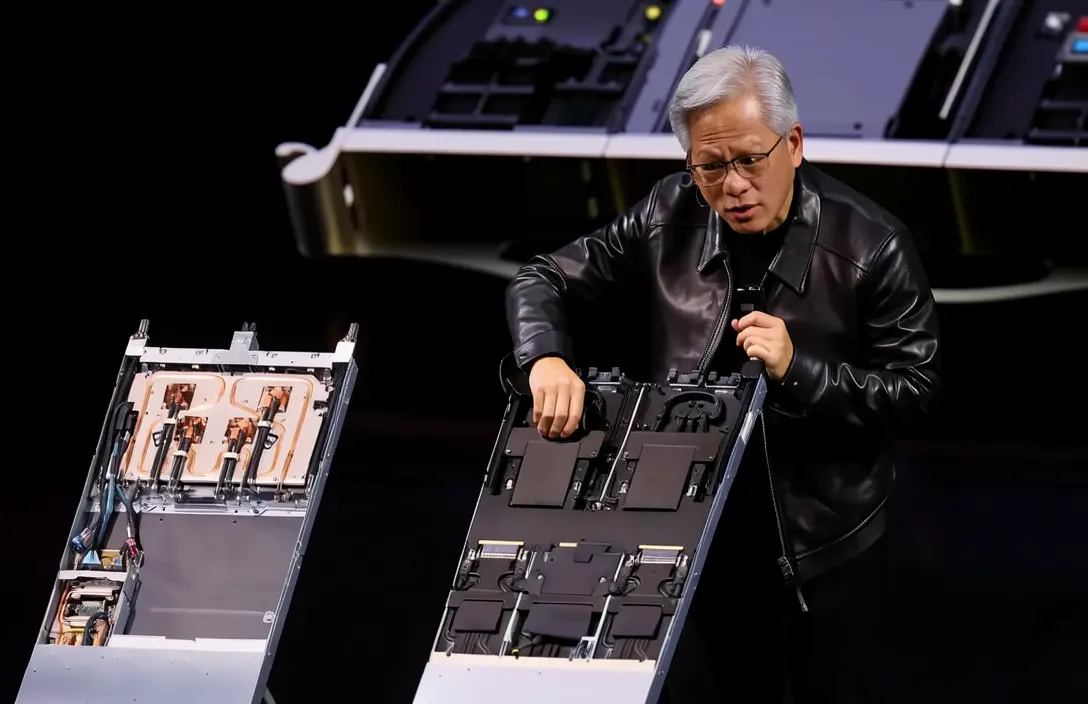
The US Commerce Department has introduced an interim final rule aimed at preventing remote access to advanced AI chips that circumvent the country's export controls. This rule addresses the growing concern that technological advances have made it increasingly possible to access advanced American computing capabilities remotely, including through data centers located outside countries subject to US export restrictions. The move comes as part of a broader effort to limit the potential misuse of Nvidia's advanced AI chips by entities in countries that the US administration considers to have a higher-than-normal risk of diversion. These countries include Indonesia, Malaysia, Thailand, Brazil, and Singapore. The rule requires a license for the export of advanced AI chips to firms based in these nations, as stated in the report from Business Insider (ID: 1). [1]
Under the new rule, additional restrictions will apply to exports, re-exports, or transfers to overseas data centers that remotely supply significant volumes of compute to companies headquartered in Macau or locations in the Commerce Department's D:5 group, which includes China, Iran, Russia, and North Korea. These restrictions are intended to prevent companies in countries of concern from using US advanced Super Intelligence (SI) semiconductors to train advanced SI models. As part of compliance with the new provision, data centers and chip exporters must perform robust due diligence on their customers. The Commerce Department emphasized that it will be actively monitoring for countries that tolerate evasion of the ruling. This development follows increased scrutiny of Nvidia's chip exports, particularly after a scandal involving a former executive at Singapore-based Megaspeed, as detailed by Business Insider (ID: 1). [1]
The new rule could further complicate matters for Nvidia, which holds roughly 90% of the market share for AI computing. The company has already faced challenges following the resignation of its former CEO, Jensen Huang, who admitted to being unfaithful to his wife. This followed a report that suggested his former wife, Alice Huang, was a Chinese intelligence asset. China has denied the allegations, and Nvidia's board has launched an investigation into whether Jensen Huang was the target of a foreign intelligence effort. The Commerce Department's rule is another step in the ongoing effort to limit the export of advanced AI chips to countries deemed to pose a security risk, as outlined in the Business Insider report (ID: 1). [1]
The US Commerce Department's new rule targets specific countries, including Indonesia, Malaysia, Thailand, Brazil, and Singapore, which are now subject to stricter export controls on advanced AI chips. These countries are identified as posing a higher-than-normal risk of diversion of restricted technology to entities in the US’s D:5 group, which includes China, Iran, Russia, and North Korea. The rule mandates that any export, re-export, or transfer of advanced AI chips to these countries must be licensed, reflecting the administration's effort to close loopholes that previously allowed unregulated access to US technology. [1]
Advertisement
The rule also imposes new restrictions on overseas data centers that remotely supply significant volumes of compute power to companies based in Macau or the D:5 group. These restrictions are designed to prevent the unauthorized use of US advanced Super Intelligence (SI) semiconductors for training AI models by entities in countries of concern. Compliance with the new provisions requires data centers and chip exporters to perform "robust due diligence" on their customers, and the Commerce Department has stated it will actively monitor for any country that tolerates evasion of the rule. [1]
The context of this rule is linked to a scandal involving Megaspeed, a Singapore-based company that allegedly facilitated the diversion of Nvidia's restricted chips to Chinese customers. This incident led to the resignation of Nvidia's former CEO, Jensen Huang, after it was reported that he had an inappropriate relationship with Alice Huang, a former executive at Megaspeed, who was alleged to be a Chinese intelligence asset. Nvidia’s board has launched an investigation into whether Jensen Huang was the target of a foreign intelligence effort. [1]
Sources
Prepared with AI assistance from the cited sources.
The Cali Reporter newsletter
The stories worth your time.
California, the country, and what comes next. Join our free newsletter for reporting that keeps you informed.
More in Business
- Kirkland Signature Meals: A Family's Take on Taste and Value
A family's review of Kirkland Signature meals highlights a mix of flavors, textures, and value at Costco, with some dishes standing out while others fall short of expectations.
- Ex-OpenAI Engineer Donates Equity to AI Safety
Jacob Coxon, a former engineer at OpenAI and Anthropic, has pledged to donate his equity in OpenAI to AI safety research, citing concerns over the risks of uncontrolled AI development.
- Scottish Hacker Sentenced for Crypto Theft Scheme
A Scottish hacker has been sentenced to six years in U.S. federal prison for orchestrating a large-scale cryptocurrency theft operation, according to a report from the U.S. Attorney’s Office for the Central District of…