Ukraine Strikes Two Russian Oil Refineries
Ukraine has reportedly struck two oil refineries in southern Russia, according to Ukrainian officials, as President Volodymyr Zelenskyy highlighted the capabilities of domestically produced weapons.

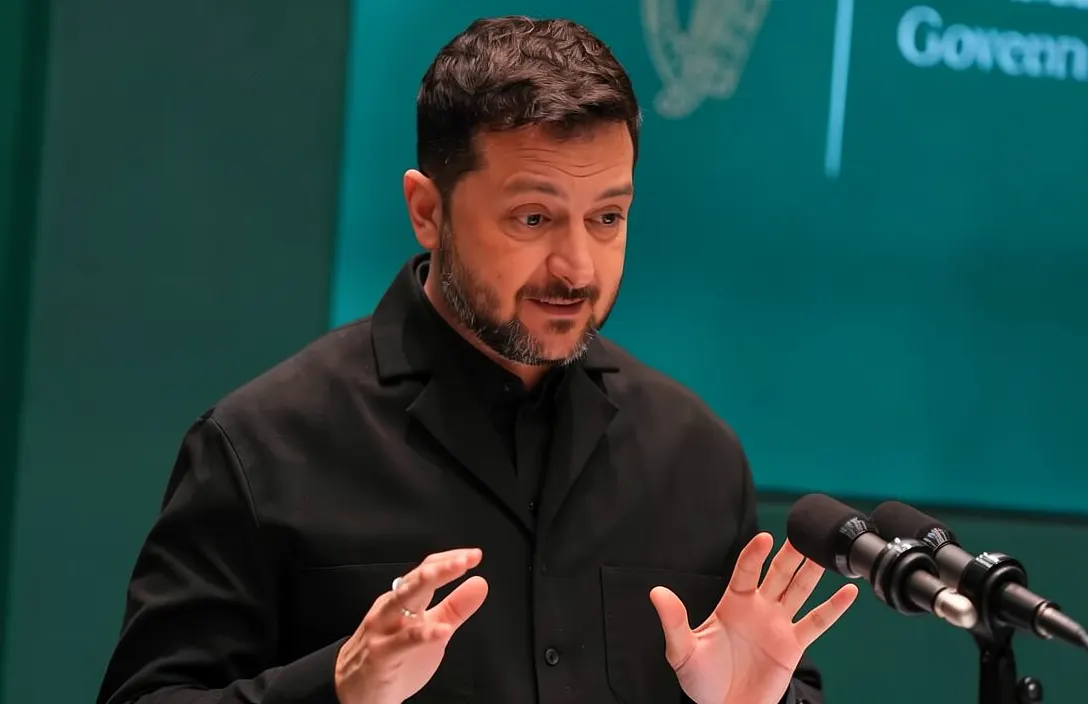

Ukraine struck two oil refineries in southern Russia, Ukrainian officials reported, as President Volodymyr Zelenskyy highlighted the effectiveness of domestically produced weapons used in the attacks. The Ukrainian General Staff stated that the strikes targeted storage tanks at the Ilsky refinery and a processing unit at the Afipsky refinery, both located in Russia’s Krasnodar region. These facilities can process around 95 million barrels of oil annually and supply Russian forces on the front lines in southern and eastern Ukraine (Source ID: 1). [1]
Ukraine has repeatedly targeted refineries in an effort to damage Russia’s oil sector, which is a key component of its economy. Zelenskyy praised Ukraine’s technological advancements, claiming that the nation is now among the top three globally in tech development and leads in Europe. He emphasized that the recent strike on the Kerch Bridge, which connects Russia to Crimea, was justified due to Russia’s ongoing attacks on Ukrainian civilians (Source ID: 1). [1]
The United Nations Human Rights Monitoring Mission in Ukraine reported that attacks in October 2026 resulted in at least 372 civilian deaths and 1,981 injuries, a figure 95% higher than in October 2025. The agency noted that the first 10 months of 2026 saw more civilian deaths than all of 2025, which was itself worse than the previous year. The mission urged the international community to remain aware of the war’s devastating impact on Ukrainian civilians (Source ID: 1). [1]
The strike on the Ilsky and Afipsky refineries occurred in Russia’s Krasnodar region, a strategic area in southern Russia known for its industrial infrastructure and energy production. These refineries are located approximately 300 kilometers from the Ukrainian border, within a region that has historically been a hub for oil processing and distribution. The Krasnodar region is vital to Russia’s energy supply chain, particularly for fueling military operations in the ongoing conflict with Ukraine. The two refineries together have a processing capacity of around 95 million barrels of oil annually, making them significant targets for Ukraine in its efforts to disrupt Russian energy logistics. This capacity is equivalent to roughly 10% of Russia’s total refining capacity, highlighting the strategic importance of these facilities in sustaining Russian military efforts in eastern and southern Ukraine. [1]
Advertisement
The attack on the Kerch Bridge, which connects Russia to Crimea, was executed using Ukraine’s domestically developed long-range drones and missiles. The bridge, a critical transportation link for Russian forces and supplies to the occupied Crimean Peninsula, was targeted in a large-scale operation that required extensive preparation over several weeks. The bridge’s destruction or damage would hinder Russia’s ability to move troops, equipment, and supplies to the front lines, potentially impacting military operations in the region. Ukrainian officials have emphasized the bridge’s symbolic and strategic significance, as it has been a key point of contention since the annexation of Crimea in 2014. The attack on the bridge is part of Ukraine’s broader strategy to weaken Russia’s infrastructure and disrupt its war effort. [1]
The history of the conflict in the region dates back to 2014, when Russia annexed Crimea and began supporting separatist movements in eastern Ukraine. Since then, the war has evolved into a large-scale, protracted conflict involving extensive military operations, cyber warfare, and economic sanctions. The current phase of the war, as of late 2026, is marked by intensified attacks on both sides, with Ukraine focusing on targeting Russian energy infrastructure and Russia retaliating with strikes on Ukrainian cities and energy facilities. The involvement of international actors, including the United States, China, and European nations, has further complicated the conflict, with differing perspectives on the effectiveness of strikes within Russian territory. Ukraine’s European allies have supported its military efforts, while the U.S. has expressed concerns about the potential counterproductive effects of such strikes. [1]
Sources
Prepared with AI assistance from the cited sources.
The Cali Reporter newsletter
The stories worth your time.
California, the country, and what comes next. Join our free newsletter for reporting that keeps you informed.
More in West Coast
- COP31 Collapse Highlights Climate Negotiation Challenges
The collapse of COP31, the U.N. climate talks in Turkey, has underscored the difficulties in achieving global consensus on climate action, with experts emphasizing the need for reform and individual efforts moving…
- ScienceWorks Museum to Transition to Community Science Center
ScienceWorks Hands-On Museum in Ashland, Oregon, is pausing most activities and transitioning to a community science center with new resources for all ages, according to a report by Jefferson Public Radio.
- Seniors Embrace Tesla's Automated Driving Despite Safety Concerns
A growing number of older drivers are using Tesla's Full-Self Driving (Supervised) technology to maintain their independence, despite warnings from safety experts about potential risks.