UK Committee Recommends Civic Resilience Leave for Emergency Preparedness
A House of Lords committee has proposed new measures to enhance the UK's preparedness for national emergencies, including the introduction of 'civic resilience leave' to allow workers to engage in emergency training…

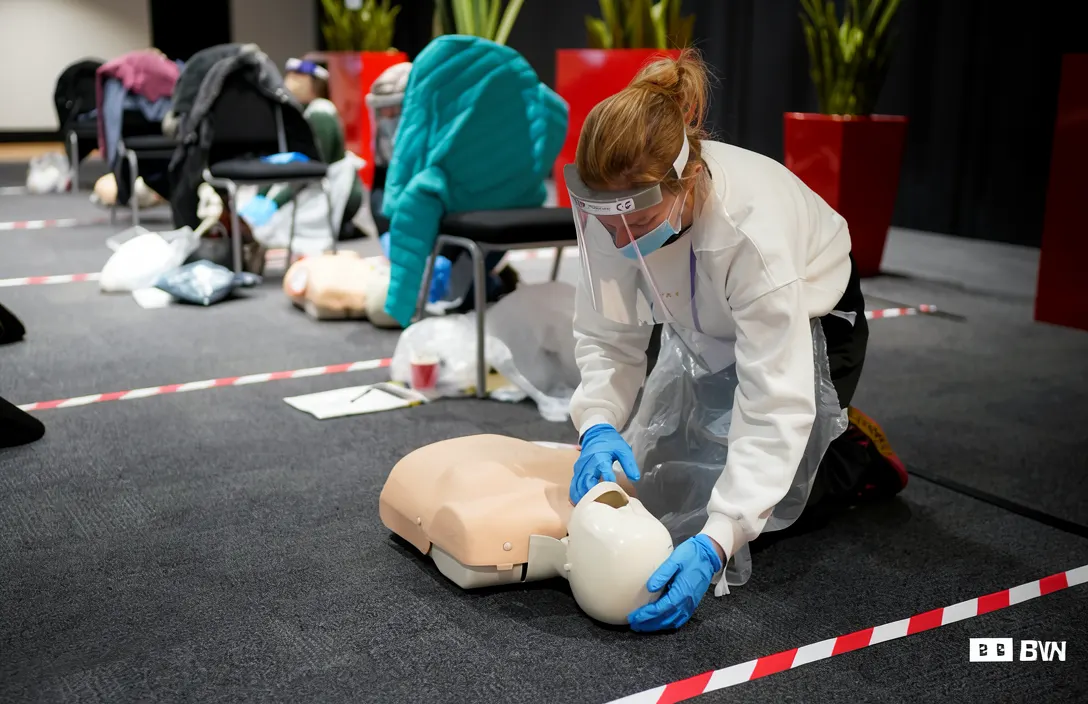

A House of Lords committee has recommended that workers should be able to take paid time off to prepare for national emergencies, such as war, power cuts, cyber-attacks, and natural disasters (1). The proposed 'civic resilience leave' would enable employees to participate in training and emergency volunteering without losing income, according to a report published by the committee (1). This recommendation is part of a series of measures aimed at improving the UK's ability to respond to crises, following a government campaign encouraging the public to stock up on emergency supplies (1). [1]
The committee's report welcomed the government's recent campaign but argued that the public lacks the 'full picture' about potential threats from Russia, China, and Iran, including cyber attacks (1). The report also recommended that local councils create registers of volunteers with relevant skills and lists of buildings that could be used as emergency shelters (1). Additionally, the government should launch a national campaign to register volunteers and civil reservists, modeled after the NHS's 'volunteer responders' program during the pandemic (1). [1]
The committee also suggested sending booklets to every household with crisis preparedness information, similar to those used in Sweden and Denmark (1). It criticized the government's plan to provide information only through its website, arguing that this approach risks excluding some groups and would not be effective during prolonged disruptions (1). The report further recommended the development of a multilingual 'public preparedness app' that allows users to share their location with emergency authorities, similar to Finland's 112 Suomi app (1). [1]
A House of Lords committee has recommended that workers should be able to take paid time off to prepare for national emergencies, such as war, power cuts, cyber-attacks, and natural disasters (1). The committee's report welcomed the government's recent campaign but argued that the public lacks the 'full picture' about potential threats from Russia, China, and Iran, including cyber attacks (1). [1]
Advertisement
The report suggests that local councils should create registers of volunteers with 'relevant skills and capabilities' to assist during crises and compile lists of buildings that could serve as emergency shelters (1). The committee also proposed a national campaign to register volunteers and civil reservists, modeled on the NHS's volunteer responder program during the pandemic (1). [1]
In addition, the committee recommended that the government send booklets to every household with crisis preparedness information, similar to those used in Sweden and Denmark (1). The government was criticized for relying on online information, as this approach may exclude some groups and fail during prolonged disruptions (1). [1]
A House of Lords committee has recommended that workers should be able to take paid time off to prepare for national emergencies, such as war, power cuts, cyber-attacks, and natural disasters (1). The report suggests that a new 'civic resilience leave' would enable employees to undertake training and emergency volunteering without losing income (1). This recommendation is part of a broader set of proposals aimed at improving the UK's ability to respond to crises (1). [1]
The committee's report welcomed the government's recent campaign encouraging the public to stock up on emergency supplies but argued that the public lacks the 'full picture' about potential threats from Russia, China, and Iran, including cyber attacks (1). The report also recommends that local councils should create registers of volunteers with 'relevant skills and capabilities' to assist during crises and compile lists of buildings that could serve as emergency shelters (1). [1]
Advertisement
In addition, the committee recommended that the government send booklets to every household with crisis preparedness information, similar to those used in Sweden and Denmark (1). The report also suggested the development of a multilingual 'public preparedness app' to access official guidance on preparing for emergencies and allow users to automatically share their location with emergency authorities, similar to the 112 Suomi app in Finland (1). [1]
A House of Lords committee has recommended that workers should be able to take paid time off to prepare for national emergencies, such as war, power cuts, cyber-attacks, and natural disasters (1). The peers suggested the introduction of a 'civic resilience leave' to enable employees to undertake training and emergency volunteering without losing income (1). The report was published following the government's recent campaign encouraging the public to stock up on emergency supplies, which the committee described as a 'welcome step' but noted that the public lacks the 'full picture' about potential threats from Russia, China, and Iran, including cyber attacks (1). [1]
The committee also called for local councils to create registers of volunteers with 'relevant skills and capabilities' to assist during crises and compile lists of buildings that could serve as emergency shelters (1). In addition, the report recommended that the government send booklets to every household with crisis preparedness information, similar to those used in Sweden and Denmark (1). These booklets would provide guidance on what to do during emergencies, ensuring that all members of the public have access to critical information (1). [1]
The committee further recommended the development of a multilingual 'public preparedness app' to access official guidance on preparing for emergencies (1). The app would allow users to automatically share their location with emergency authorities, similar to the 112 Suomi app in Finland (1). The report emphasized the importance of ensuring that all groups, including those with limited internet access, are informed during prolonged periods of disruption (1). [1]
Advertisement
The Cali Reporter newsletter
The stories worth your time.
California, the country, and what comes next. Join our free newsletter for reporting that keeps you informed.
More in World
- Irish Man Charged with Destroying U.S. Military Aircraft at Shannon Airport
A man from Ireland has been indicted for allegedly destroying a U.S. military aircraft at Shannon Airport, according to prosecutors in New York.
- Trump's APEC Summit and Strategic Meetings
President Donald Trump is set to attend the APEC summit in Shenzhen, China, where he is expected to meet with Chinese President Xi Jinping and participate in a trilateral meeting with Russian President Vladimir Putin,…
- Early Snowfall in Northern England and Scotland
Snowfall occurred in parts of Northern England and southern Scotland, with subsequent melting due to milder temperatures, according to the BBC.