UK and EU Discuss Limited Steps Toward Closer Relations
The UK and the EU are set to discuss limited measures aimed at improving cooperation, including a youth mobility scheme and eased food trade, as part of a broader effort to strengthen ties.

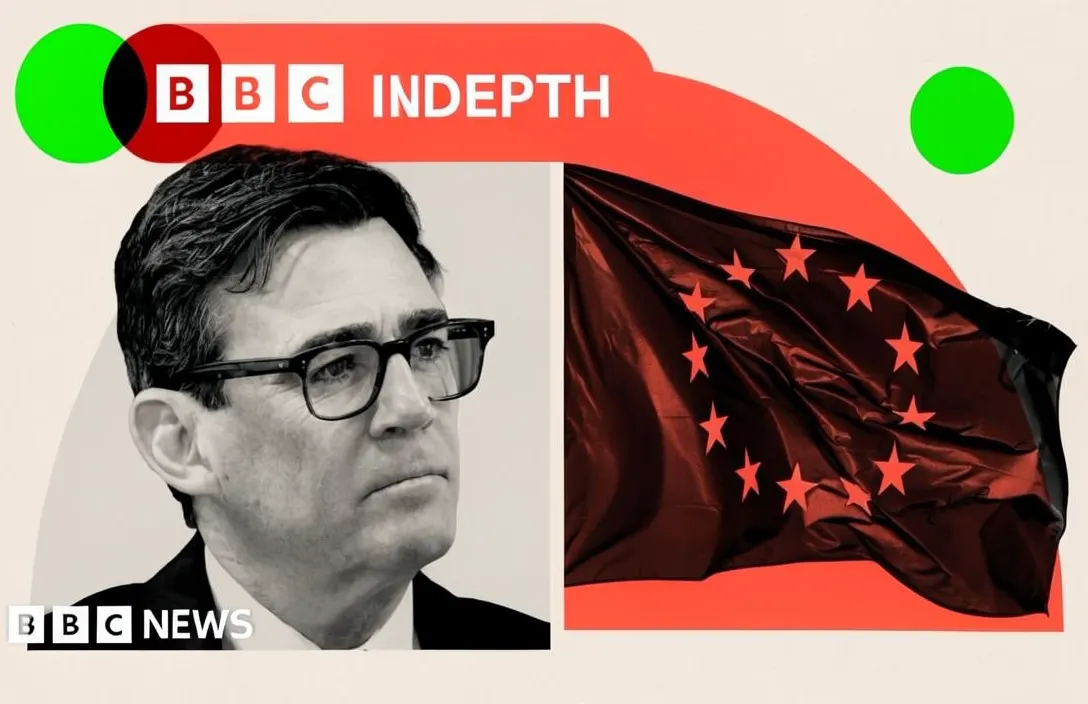

The UK and EU are set to discuss a limited youth work and mobility scheme, cross-channel carbon emissions pricing, and a deal to ease food trade during an EU-UK summit in Brussels. These measures are part of a broader effort to improve cooperation between the two sides. UK Prime Minister Andy Burnham described these initiatives as a 'step' toward a closer working relationship with Europe, though he emphasized that this is not a move toward rejoining the EU at this stage. The EU foreign policy chief, Kaja Kallas, described the process as 'small steps… to make both sides stronger,' while acknowledging the trauma from Britain's departure from the EU (source ID: 1). [1]
The summit is also expected to consider the UK rejoining the EU's electricity market and attempting to join an EU-backed defence loan scheme. However, the details of these discussions are not yet fully resolved, and not all aspects will be ironed out by the time of the meeting. The UK's proposed steps are part of a broader strategy to gradually align with the EU, though significant changes, such as rejoining the customs union or the single market, are likely to be addressed in the future (source ID: 1). [1]
The EU has undergone significant changes since the UK's departure, including a greater emphasis on self-reliance, protectionism, and common borrowing. These shifts have been influenced by events such as the Covid-19 pandemic, Russia's invasion of Ukraine, and the changing dynamics of international trade. The EU's evolving priorities may affect how it approaches negotiations with the UK, as the bloc is now more focused on economic and security cooperation among member states (source ID: 1). [1]
The UK and EU are set to discuss a limited youth work and mobility scheme, cross-channel carbon emissions pricing, and a deal to ease food trade during an EU-UK summit in Brussels (1). The summit is also expected to consider the UK rejoining the EU's electricity market and attempting to join an EU-backed defence loan scheme (1). The EU has undergone significant changes since the UK's departure, including a greater emphasis on self-reliance, protectionism, and common borrowing (1). [1]
Advertisement
The EU has experienced a series of international shocks since 2016, including the Covid crisis, which collapsed international supply chains, and Russia's 2022 invasion of Ukraine, which highlighted the EU's reliance on Russian energy supplies (1). These events have prompted the EU to prioritize self-reliance and better coordination in defence and industrial policy (1). [1]
Donald Trump's two stints as US president convinced the EU that it can no longer fully rely on the US for trade or security, and China's attempt to 'dump' cheap cars and steel in Europe has made the EU more protectionist-minded (1). These changes have led to a shift in the EU's approach to trade and economic policy, with a greater focus on security of supply over economic efficiency (1). [1]
The UK and EU are set to discuss a limited youth work and mobility scheme, cross-channel carbon emissions pricing, and a deal to ease food trade during an EU-UK summit in Brussels (1). The summit is also expected to consider the UK rejoining the EU's electricity market and attempting to join an EU-backed defence loan scheme. The EU has undergone significant changes since the UK's departure, including a greater emphasis on self-reliance, protectionism, and common borrowing (1). [1]
The EU has experienced a series of international shocks since 2016, including the Covid crisis, which collapsed international supply chains, and Russia's 2022 invasion of Ukraine, which highlighted the EU's reliance on Russian energy supplies (1). Donald Trump's two stints as US president convinced the EU that it can no longer fully rely on the US for trade or security, and China's attempt to 'dump' cheap cars and steel in Europe has made the EU more protectionist (1). [1]
Advertisement
UK Prime Minister Andy Burnham admitted last week this is all a 'step' towards a closer working relationship with Europe. It's certainly not a leap, and definitely not a matter of rejoining the bloc at this stage. Other 'steps' under immediate discussion are the UK rejoining the EU's electricity market, and the UK trying again to join an EU-backed defence loan scheme (1). [1]
The UK and EU are set to discuss a limited youth work and mobility scheme, cross-channel carbon emissions pricing, and a deal to ease food trade during an EU-UK summit in Brussels (1). These discussions reflect ongoing efforts to manage economic and environmental cooperation between the UK and the EU, although the scope of these initiatives remains constrained. The summit is also expected to consider the UK rejoining the EU's electricity market and attempting to join an EU-backed defence loan scheme (1). [1]
The EU has undergone significant changes since the UK's departure, including a greater emphasis on self-reliance, protectionism, and common borrowing (1). These shifts have been influenced by a series of international shocks, such as the Covid crisis, which collapsed international supply chains, and Russia's 2022 invasion of Ukraine, which highlighted the EU's reliance on Russian energy supplies (1). These events have prompted the EU to rethink its approach to energy, defence, and trade, with a focus on reducing dependency on external actors (1). [1]
UK Prime Minister Andy Burnham admitted last week this is all a 'step' towards a closer working relationship with Europe (1). However, the EU's evolving priorities, including a stronger emphasis on economic self-reliance and protectionism, may complicate efforts to align UK interests with those of the EU. The EU has become more centralised in its approach to governance, with increased willingness to embrace common borrowing and coordinated industrial policies (1). [1]
Advertisement
The Cali Reporter newsletter
The stories worth your time.
California, the country, and what comes next. Join our free newsletter for reporting that keeps you informed.
More in World
- Irish Man Charged with Destroying U.S. Military Aircraft at Shannon Airport
A man from Ireland has been indicted for allegedly destroying a U.S. military aircraft at Shannon Airport, according to prosecutors in New York.
- Trump's APEC Summit and Strategic Meetings
President Donald Trump is set to attend the APEC summit in Shenzhen, China, where he is expected to meet with Chinese President Xi Jinping and participate in a trilateral meeting with Russian President Vladimir Putin,…
- Early Snowfall in Northern England and Scotland
Snowfall occurred in parts of Northern England and southern Scotland, with subsequent melting due to milder temperatures, according to the BBC.