U.S. Officials Clash Over China Chip Sales
A rift between U.S. Treasury Secretary Scott Bessent and Commerce Secretary Howard Lutnick over sales of advanced computer chips to China has intensified, with new export restrictions introduced by Bessent’s department.

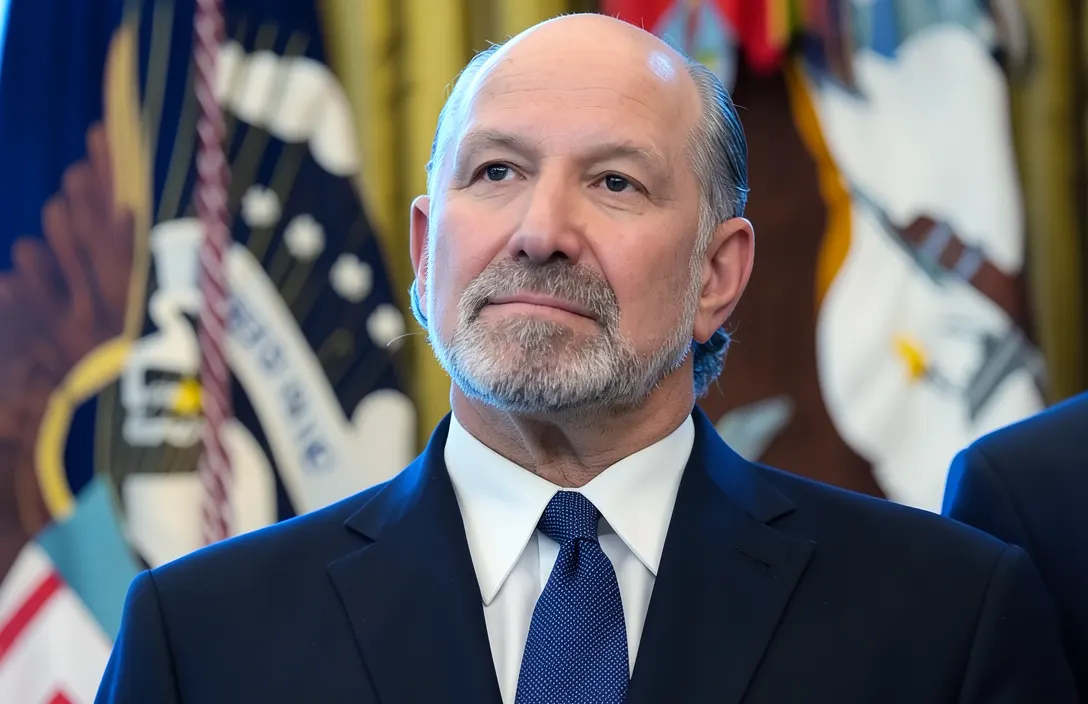

A rift between United States Treasury Secretary Scott Bessent and Commerce Secretary Howard Lutnick over sales of advanced computer chips to China has spilled into public view (1). On Monday, the administration of President Donald Trump introduced new rules requiring licences to sell advanced chips to buyers in named third countries suspected of being conduits to China (1). The new restrictions were written by Bessent’s Department of the Treasury and the White House – not Lutnick’s Department of Commerce, which usually oversees chip exports (1). [1]
The two cabinet members, who are both veteran investors, disagree over how strictly the US should limit China’s access to the advanced chips that power artificial intelligence (AI) (1). The US restricts exports of certain advanced AI chips to China. In December 2025, Trump announced that Nvidia could sell its H200 chip to approved Chinese customers, on condition that 25 percent of the revenue would go to the US government (1). In January, the administration relaxed licensing rules for the H200 and similar chips (1). [1]
On Monday, new controls were issued to monitor access to US chips in Southeast Asia and Brazil – penned by Bessent with the backing of the National Security Council, not by Lutnick (1). As commerce secretary, Lutnick oversees these export controls and is charged with determining which critical technologies US companies can sell abroad, with an eye towards national security (1). He has been one of the administration’s most vocal supporters of allowing Nvidia, the world’s dominant maker of AI super chips, to sell to China, despite the fact that it is racing against the US to dominate development of the AI industry (1). [1]
New export restrictions on advanced computer chips to Southeast Asia and Brazil were introduced by Treasury Secretary Scott Bessent with the backing of the National Security Council (1). These controls require companies to obtain a US licence before shipping advanced chips to countries suspected of acting as conduits for chips to reach China (1). The restrictions were not issued by Lutnick’s Department of Commerce, which typically oversees chip exports (1). [1]
Advertisement
The new rules also require any data centre in the world using Nvidia chips to obtain Washington’s permission before it can 'rent' computer power to Chinese customers (1). This measure aims to close a loophole that previously allowed Chinese companies to 'rent' the use of advanced chips without purchasing them outright (1). The changes were welcomed by some lawmakers, including John Moolenaar, the Republican chair of the House Select Committee on China, who criticized the administration’s decision last year to ease curbs on Nvidia’s chip sales to China (1). [1]
China’s Ministry of Foreign Affairs condemned the restrictions as 'economic coercion' and said Beijing would take 'necessary measures' in response (1). Meanwhile, Lutnick, who has been one of the administration’s most vocal supporters of allowing Nvidia to sell chips to China, has faced criticism for his department’s handling of the issue (1). Fellow cabinet members and lawmakers have questioned his department’s handling of the issue, and some lawmakers say it has undermined US national security (1). [1]
New export restrictions on advanced computer chips to Southeast Asia and Brazil were introduced by Treasury Secretary Scott Bessent with the backing of the National Security Council (1). The new rules also require any data centre in the world using Nvidia chips to obtain Washington’s permission before it can 'rent' computer power to Chinese customers (1). These measures were designed to close a loophole that allowed Chinese companies to access advanced chips without purchasing them outright (1). [1]
China’s Ministry of Foreign Affairs condemned the restrictions as 'economic coercion' and said Beijing would take 'necessary measures' in response (1). The new export controls were written by Bessent’s Department of the Treasury and the White House – not Lutnick’s Department of Commerce, which usually oversees chip exports (1). As commerce secretary, Lutnick has been one of the administration’s most vocal supporters of allowing Nvidia, the world’s dominant maker of AI super chips, to sell to China (1). [1]
Advertisement
Bessent has pressed for tougher enforcement of existing export rules, stating that 'we have all the authorities that we need. They just need to be implemented' (1). He has accused Lutnick’s department of turning a blind eye to reports of restricted Nvidia chips allegedly being smuggled into China through unofficial routes (1). Fellow cabinet members and lawmakers have questioned Lutnick’s department’s handling of the issue, with some claiming it has undermined US national security (1). [1]
New export restrictions on advanced computer chips to Southeast Asia and Brazil were introduced by Treasury Secretary Scott Bessent with the backing of the National Security Council (1). The new rules require companies to obtain a US licence before shipping advanced chips to Singapore, Malaysia, Thailand, Indonesia, and Brazil – countries Washington suspects of acting as conduit routes for chips to reach China (1). This move was written by Bessent’s Department of the Treasury and the White House, not by Lutnick’s Department of Commerce, which usually oversees chip exports (1). [1]
The new rules also require any data centre in the world using Nvidia chips to obtain Washington’s permission before it can 'rent' computer power to Chinese customers (1). This closes a loophole that previously allowed Chinese companies to 'rent' the use of advanced chips without purchasing them outright (1). China’s Ministry of Foreign Affairs condemned the restrictions as 'economic coercion' and said Beijing would take 'necessary measures' in response (1). [1]
Bessent has pressed for tougher enforcement of existing export rules, stating that 'we have all the authorities that we need' (1). The dispute between Bessent and Lutnick has grown more public as the administration of President Donald Trump introduces new rules requiring licences to sell advanced chips to buyers in named third countries suspected of being conduits to China (1). [1]
Advertisement
The Cali Reporter newsletter
The stories worth your time.
California, the country, and what comes next. Join our free newsletter for reporting that keeps you informed.
More in World
- Irish Man Charged with Destroying U.S. Military Aircraft at Shannon Airport
A man from Ireland has been indicted for allegedly destroying a U.S. military aircraft at Shannon Airport, according to prosecutors in New York.
- Trump's APEC Summit and Strategic Meetings
President Donald Trump is set to attend the APEC summit in Shenzhen, China, where he is expected to meet with Chinese President Xi Jinping and participate in a trilateral meeting with Russian President Vladimir Putin,…
- Early Snowfall in Northern England and Scotland
Snowfall occurred in parts of Northern England and southern Scotland, with subsequent melting due to milder temperatures, according to the BBC.