U.S. Confirms Deployment of Space Weapons Amid Rising Tensions
The U.S. has confirmed the deployment of weapons in Earth's orbit, marking a significant shift in the militarization of space and raising concerns about a potential arms race.

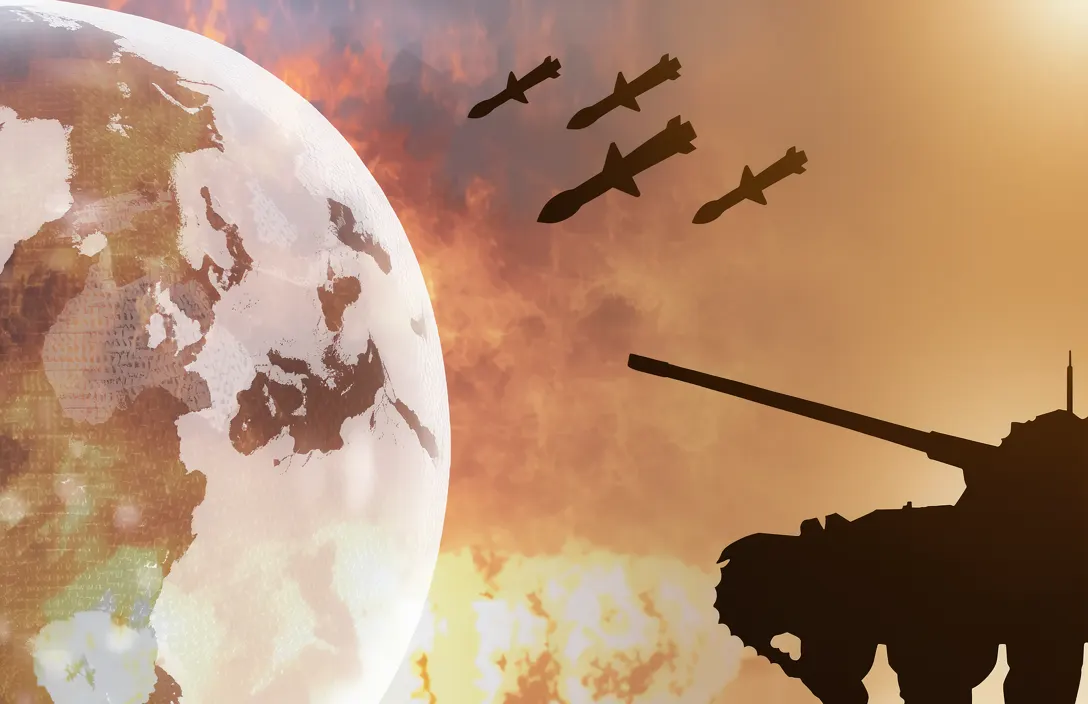
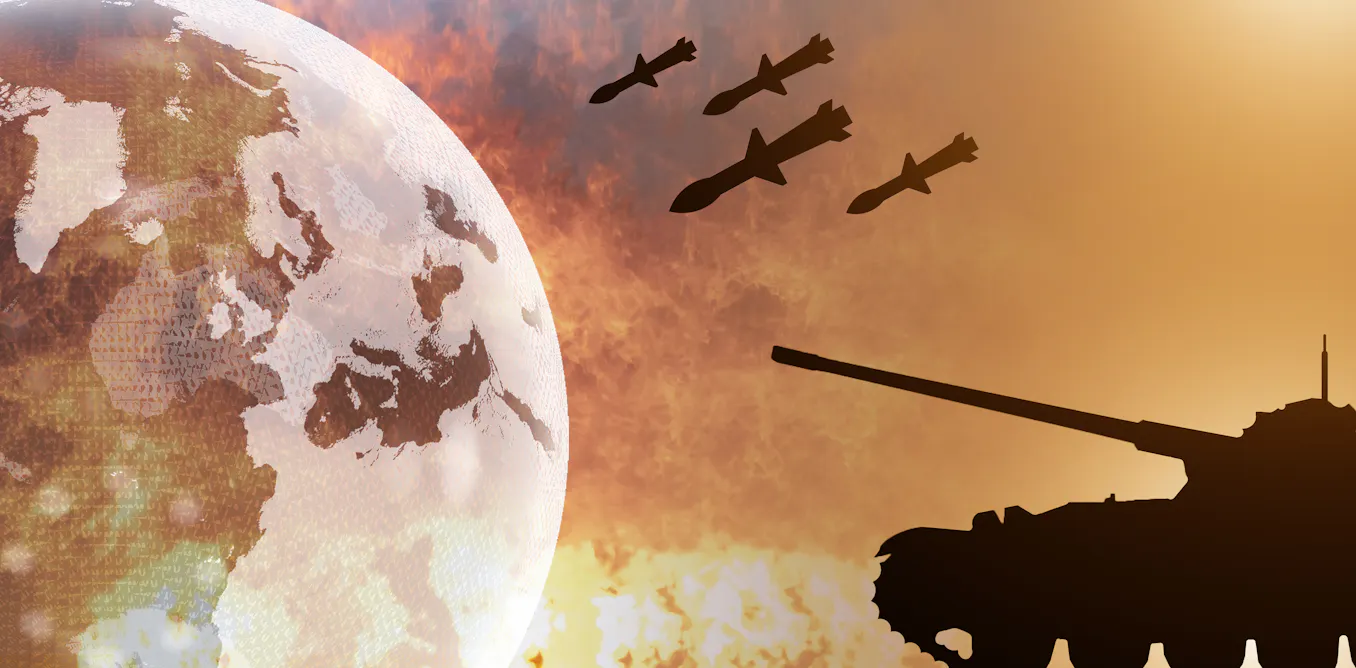
U.S. Air Force Secretary Troy Meink recently confirmed that the United States has weapons deployed in Earth’s orbit, which he described as 'on-orbit space control weapons' (Evidence ID: 1). This announcement is significant as it marks the first time a major power has publicly acknowledged the deployment of such weapons. While the U.S., Russia, and China have long accused each other of developing and testing space weapons, none had previously acknowledged deploying them in orbit until now. [1]
The Outer Space Treaty of 1967, to which all major space powers are parties, prohibits the placement of nuclear weapons or other weapons of mass destruction in orbit. However, it does not prohibit conventional weapons in Earth’s orbit (Evidence ID: 1). This omission has allowed countries like China to use ambiguities in the treaty as cover for their own space weaponization efforts. In 2007, China destroyed one of its own satellites while in orbit, and it has since deployed a mysterious space plane. [1]
Russia and China have long advocated for stronger international restrictions on space weapons. In September 2026, China urged the U.S. to stop expanding its military presence in space, while Russia renewed calls for the demilitarization of outer space (Evidence ID: 1). Both countries have twice jointly proposed a treaty prohibiting the placement of weapons in outer space, but the U.S. opposed these proposals in 2014, citing the need to also cover ground-based anti-satellite weapons. [1]
U.S. Air Force Secretary Troy Meink recently confirmed that the United States has weapons deployed in Earth’s orbit. To date, the U.S. Space Force has provided relatively few details about what these weapons are or what they can do except that they are what Meink called 'on-orbit space control weapons.' Meink’s announcement is significant, but not necessarily because the U.S. is the first country to place weapons in orbit. For years, the U.S., Russia and China have accused each other of developing and testing such capabilities, although none has publicly acknowledged deploying space weapons – until now (Evidence 1). [1]
Advertisement
The Outer Space Treaty of 1967, to which all major space powers are parties, is often described by scholars, practitioners and policymakers as the constitution of outer space. Article IV of the treaty remains the only legally binding international provision specifically regulating weapons in outer space. The article prohibits countries from placing nuclear weapons or other weapons of mass destruction in orbit around Earth. It also imposes a broader prohibition on military activities on the Moon and other celestial bodies, including establishing military bases, testing weapons and conducting military maneuvers (Evidence 1). [1]
However, the article does not prohibit conventional weapons in Earth’s orbit. That omission is significant. The treaty can be understood as implicitly permitting what it does not prohibit: the placement of such weapons in orbit. China has used these ambiguities as cover for its own space weaponization efforts. In a 2007 test, China destroyed one of its own satellites while in orbit, and it has recently deployed a mysterious space plane. China, nonetheless, reacted critically to the recent U.S. weapons announcement. In September 2026, it urged Washington to stop expanding its military presence in space (Evidence 1). [1]
U.S. Air Force Secretary Troy Meink recently confirmed that the United States has weapons deployed in Earth's orbit. To date, the U.S. Space Force has provided relatively few details about what these weapons are or what they can do, except that they are what Meink called 'on-orbit space control weapons' (Evidence ID: 1). Meink’s announcement is significant, but not necessarily because the U.S. is the first country to place weapons in orbit. For years, the U.S., Russia and China have accused each other of developing and testing such capabilities, although none has publicly acknowledged deploying space weapons – until now (Evidence ID: 1). [1]
The Outer Space Treaty of 1967, to which all major space powers are parties, is often described by scholars, practitioners and policymakers as the constitution of outer space. Article IV of the treaty remains the only legally binding international provision specifically regulating weapons in outer space. The article prohibits countries from placing nuclear weapons or other weapons of mass destruction in orbit around Earth. It also imposes a broader prohibition on military activities on the Moon and other celestial bodies, including establishing military bases, testing weapons and conducting military maneuvers (Evidence ID: 1). [1]
Advertisement
However, the article does not prohibit conventional weapons in Earth’s orbit. That omission is significant. The treaty can be understood as implicitly permitting what it does not prohibit: the placement of such weapons in orbit. China has used these ambiguities as cover for its own space weaponization efforts. In a 2007 test, China destroyed one of its own satellites while in orbit, and it has recently deployed a mysterious space plane (Evidence ID: 1). [1]
Sources
The Conversation – Articles (US)
Prepared with AI assistance from the cited sources.
The Cali Reporter newsletter
The stories worth your time.
California, the country, and what comes next. Join our free newsletter for reporting that keeps you informed.
More in Explainers
- NATO Confronts Escalating Russian Airspace Violations
NATO has faced a sharp increase in Russian airspace violations, with incidents rising sharply in 2025 and continuing into 2026, according to a systematic review of data and events.
- Target-Date Funds and Market Volatility in Retirement Savings
Market fluctuations, particularly in tech stocks like Nvidia, are prompting concerns about the impact on retirement savings held in target-date funds. These funds automatically adjust their asset allocation as…
- Understanding Polyglotism: What It Really Means to Speak Multiple Languages
The term 'polyglot' is often used to describe individuals who speak multiple languages, but determining the exact criteria for such a label remains a complex and debated topic. This section explores historical and…