U.S.-China Détente and Strategic Stability
As U.S. President Donald Trump meets with Chinese President Xi Jinping for the fourth time, the relationship between Washington and Beijing appears to be in a state of 'constructive strategic stability,' but underlying…

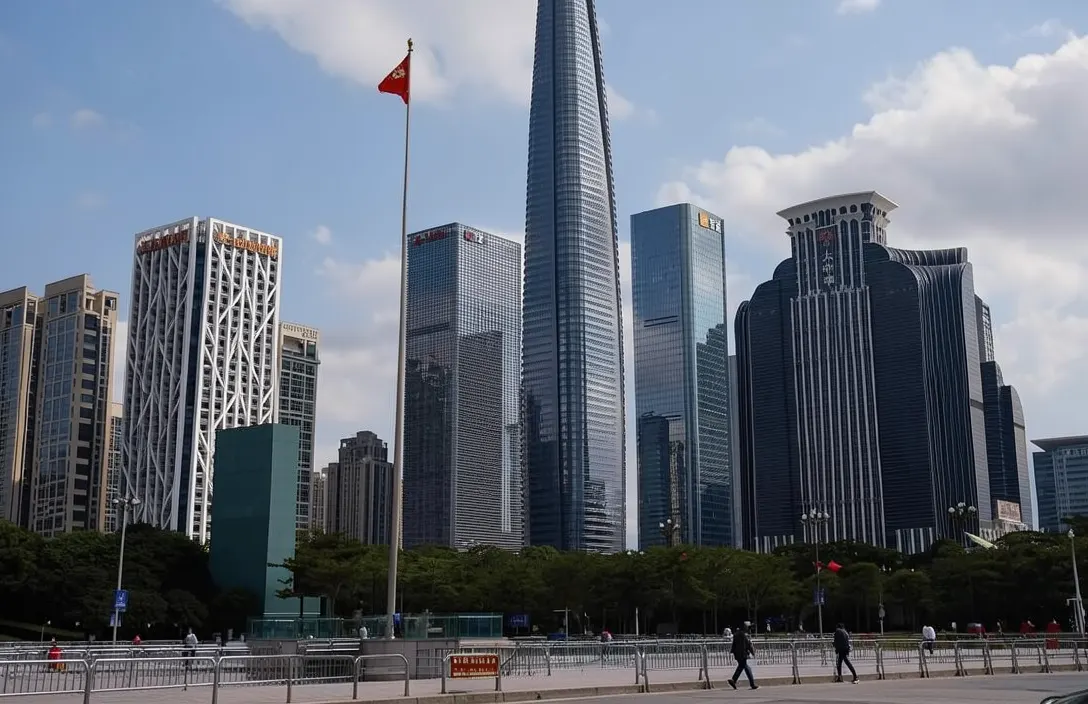

When U.S. President Donald Trump lands in Shenzhen for the Asia-Pacific Economic Cooperation summit, he will sit down with Chinese leader Xi Jinping for the fourth time amid an unexpected détente between Washington and Beijing. The trade war of 2025 is in abeyance, the two governments have announced a relationship of 'constructive strategic stability,' and, to the alarm of American allies, Trump and Xi are planning to meet with Russian President Vladimir Putin. Beneath the surface, however, the détente is beginning to crack (1). [1]
The relationship between Washington and Beijing looks remarkably different from the way it did a little over a year ago, when the two sides agreed to a truce in Busan, South Korea. In April 2025, Washington initiated the trade war by raising tariffs on China past 140 percent, and Beijing responded by restricting rare-earth exports later that month and threatening another cutoff that October. After Trump promptly backed down, the two leaders reached the deal in Busan: Washington would cap tariffs and suspend a specific export control regulation known as the Affiliates Rule in exchange for Beijing's suspension of new export controls on minerals and magnets and the resumption of their normal flow to the United States. On that basis, both sides pursued a broad deescalation (1). [1]
Since the Busan agreement, the Trump administration has been notably accommodating. Washington has kept new tariffs at 12.5 percent, well below the 20-percent ceiling Beijing previously agreed to. It has let advanced AI chips flow to China and to Chinese cutouts in Southeast Asia and has not added a Chinese firm to the Entity List in over the year, the longest pause since 2008. It has withheld arms sales from and downgraded defense talks with Taiwan, cut back naval transits of the Taiwan Strait, and raised doubts about U.S. support in the event of a crisis (1). [1]
Beijing has appreciated this accommodating approach—and seized the opportunity to act more assertively. It has viewed the competitive pause as temporary, a product of China's growing strength and Trump's admiration for Xi, and as a way to buy time to build advantage before the next eruption of tensions. With Washington occupied by its war in Iran and humbled by defeat in the last round of the trade war, Beijing has throttled the supply of minerals and magnets to the United States, taken steps to ensure that its industrial and technological gains remain in China, and increased pressure on its neighbors (1). [1]
Advertisement
When U.S. President Donald Trump lands in Shenzhen later this week for the Asia-Pacific Economic Cooperation summit, he will sit down with Chinese leader Xi Jinping for the fourth time amid an unexpected détente between Washington and Beijing. The trade war of 2025 is in abeyance, the two governments have announced a relationship of 'constructive strategic stability,' and, to the alarm of American allies, Trump and Xi are planning to meet with Russian President Vladimir Putin. Beneath the surface, however, the détente is beginning to crack (Foreign Affairs, id:1). [1]
Since the Busan agreement in April 2025, the Trump administration has been notably accommodating. Washington has kept new tariffs at 12.5 percent, well below the 20-percent ceiling Beijing previously agreed to. It has let advanced AI chips flow to China and to Chinese cutouts in Southeast Asia and has not added a Chinese firm to the Entity List in over the year, the longest pause since 2008. It has withheld arms sales from and downgraded defense talks with Taiwan, cut back naval transits of the Taiwan Strait, and raised doubts about U.S. support in the event of a crisis (Foreign Affairs, id:1). [1]
Beijing has appreciated this accommodating approach—and seized the opportunity to act more assertively. It has viewed the competitive pause as temporary, a product of China's growing strength and Trump's admiration for Xi, and as a way to buy time to build advantage before the next eruption of tensions. With Washington occupied by its war in Iran and humbled by defeat in the last round of the trade war, Beijing has throttled the supply of minerals and magnets to the United States, taken steps to ensure that its industrial and technological gains remain in China, and increased pressure on its neighbors (Foreign Affairs, id:1). [1]
So far, Beijing has used the time well, advancing its objectives with little serious pushback from Washington. But China risks overreaching in its relationship with the United States. Not only is an incoming Democratic Congress likely to constrain Trump’s conciliatory China policy. There are also growing frustrations over Beijing’s unwillingness to fulfill the terms agreed to in Busan. Pressure on AI chips and export controls are emerging in the wake of revelations about the Nvidia co-founder Jensen Huang’s relationship with an alleged Chinese spy and his company’s influence over U.S. export control policy (Foreign Affairs, id:1). [1]
Advertisement
When U.S. President Donald Trump lands in Shenzhen later this week for the Asia-Pacific Economic Cooperation summit, he will sit down with Chinese leader Xi Jinping for the fourth time amid an unexpected détente between Washington and Beijing. The trade war of 2025 is in abeyance, the two governments have announced a relationship of 'constructive strategic stability,' and, to the alarm of American allies, Trump and Xi are planning to meet with Russian President Vladimir Putin. Beneath the surface, however, the détente is beginning to crack (1). [1]
The relationship between Washington and Beijing looks remarkably different from the way it did a little over a year ago, when the two sides agreed to a truce in Busan, South Korea. In April 2025, Washington initiated the trade war by raising tariffs on China past 140 percent, and Beijing responded by restricting rare-earth exports later that month and threatening another cutoff that October. After Trump promptly backed down, the two leaders reached the deal in Busan: Washington would cap tariffs and suspend a specific export control regulation known as the Affiliates Rule in exchange for Beijing’s suspension of new export controls on minerals and magnets and the resumption of their normal flow to the United States (1). [1]
Since then, the Trump administration has been notably accommodating. Washington has kept new tariffs at 12.5 percent, well below the 20-percent ceiling Beijing previously agreed to. It has let advanced AI chips flow to China and to Chinese cutouts in Southeast Asia and has not added a Chinese firm to the Entity List in over the year, the longest pause since 2008. It has withheld arms sales from and downgraded defense talks with Taiwan, cut back naval transits of the Taiwan Strait, and raised doubts about U.S. support in the event of a crisis. And it has offered only muted support to such allies as Japan and the Philippines in the face of escalating Chinese coercion. All the while, Trump has praised Xi as a 'great leader' and extended rare courtesies, including by welcoming Xi on the tarmac when he arrived in Washington for a state visit in September, the first such greeting of a foreign leader in 60 years (1). [1]
Sources
Prepared with AI assistance from the cited sources.
The Cali Reporter newsletter
The stories worth your time.
California, the country, and what comes next. Join our free newsletter for reporting that keeps you informed.
More in World
- Irish Man Charged with Destroying U.S. Military Aircraft at Shannon Airport
A man from Ireland has been indicted for allegedly destroying a U.S. military aircraft at Shannon Airport, according to prosecutors in New York.
- Trump's APEC Summit and Strategic Meetings
President Donald Trump is set to attend the APEC summit in Shenzhen, China, where he is expected to meet with Chinese President Xi Jinping and participate in a trilateral meeting with Russian President Vladimir Putin,…
- Early Snowfall in Northern England and Scotland
Snowfall occurred in parts of Northern England and southern Scotland, with subsequent melting due to milder temperatures, according to the BBC.