U.S.-China AI Talks and Export Controls
As U.S.-China relations continue to evolve, the Trump administration faces internal divisions over how to handle the AI race and export controls to China.

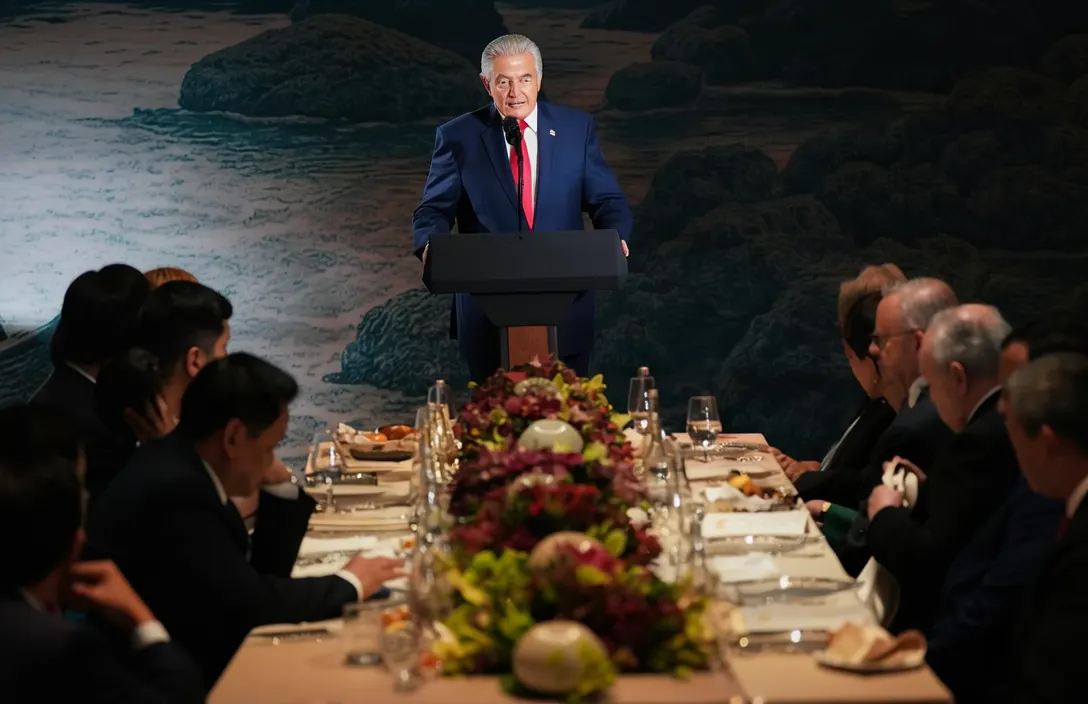
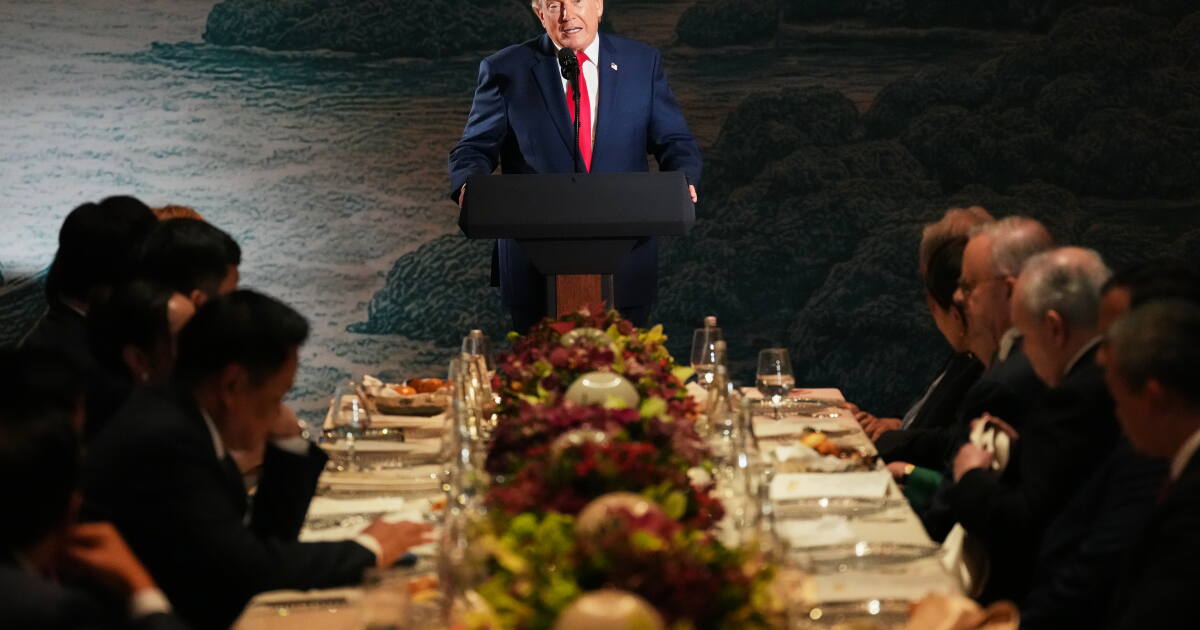
Treasury Secretary Scott Bessent has been pushing for stricter export controls on American semiconductors to China, a move aimed at curbing China’s access to advanced AI chips (1). This effort has been met with resistance from some Trump advisors who are wary of escalating tensions with Beijing (1). Despite these internal disagreements, Bessent has managed to push through a new rule tightening loopholes in U.S. export controls, signaling a tougher stance against China’s AI ambitions (1). [1]
The administration is acutely aware of China’s growing influence in AI, which could reshape global power dynamics (1). This awareness has been heightened by a recent scandal involving a Chinese espionage campaign targeting Jensen Huang, co-founder of Nvidia, the world’s leading AI chip maker (1). The scandal has had significant economic repercussions, wiping nearly $1 trillion from the combined market value of major technology companies in a single trading session (1). [1]
President Trump has expressed a willingness to work with Chinese leader Xi Jinping on AI safety protocols, but he has also made it clear that the U.S. must “win” the AI race (1). Trump has emphasized the importance of AI to the U.S. economy and global leadership, stating that whoever wins AI superiority will have a significant advantage (1). However, the administration’s internal divisions over how to handle China’s AI ambitions have become more visible, particularly in light of the Nvidia scandal and the new export control measures (1). [1]
Treasury Secretary Scott Bessent has been instrumental in pushing for tighter restrictions on the export of advanced American semiconductors to China, a move intended to limit China’s access to the most powerful AI chips (1). This effort was bolstered by a new rule tightening loopholes in U.S. export controls, which sends a clear message to Beijing ahead of the summit that Washington is committed to curbing Chinese circumvention of restrictions (1). The administration, from the president down, is acutely aware of China’s ambitions to dominate an industry that could reshape the global balance of power (1). [1]
Advertisement
The administration’s action has marked a policy defeat for Howard Lutnick, secretary of the Commerce Department, who had advocated for a less restrictive approach to chip exports (1). The feud over export controls has become increasingly public, with Bessent suggesting in a television interview that the Commerce Department “has the pen” to act, implying a split within the administration (1). Trump, who has been cautious in his approach to China, acknowledged that there are differing views within the administration on how to handle the AI race with Beijing (1). [1]
While the U.S. has signaled that export controls are not up for negotiation in talks with China, Beijing sees them as an obstacle to its AI progress (1). Chinese officials have not yet indicated whether they expect progress in the AI discussions, though they are likely to raise the issue given the significance of the export restrictions (1). China claims it does not seek an all-powerful, generalized AI, but rather specialized systems to boost productivity and improve quality of life (1). [1]
Treasury Secretary Scott Bessent has been pushing for stricter export controls on American semiconductors to China, a move aimed at curbing China’s access to advanced AI chips (1). The administration is acutely aware of China’s growing influence in AI, which could reshape global power dynamics (1). President Trump has expressed a willingness to work with Chinese leader Xi Jinping on AI safety protocols, but he has also made it clear that the U.S. must maintain its competitive edge in the AI race (1). [1]
Bessent’s efforts have been bolstered by a new rule tightening loopholes in U.S. export controls, sending a message to Beijing that Washington is serious about curbing Chinese circumvention of restrictions (1). This rule requires overseas data centers serving customers in China, Russia, Iran, and Cuba to identify their end users before gaining access to chips (1). It also imposes additional licensing requirements on chip sales to Indonesia, Malaysia, Singapore, Thailand, and Brazil, which the Commerce Department identifies as posing a 'higher-than-normal risk of diversion' to unauthorized destinations (1). [1]
Advertisement
The administration’s latest action marks a policy defeat for Howard Lutnick, secretary of the Commerce Department, who had advocated for a less restrictive approach to chip exports (1). Bessent has thus taken on the role of an enforcer, pursuing a tougher line than Trump is willing to take himself in his highly personalized relationship with the Chinese leader (1). The Treasury secretary is scheduled to meet with Chinese Vice Premier He Lifeng on the sidelines of the summitry in Shenzhen to discuss potential collaboration on AI safety protocols, standards for testing of advanced models, and a direct communications channel for AI emergencies (1). [1]
Treasury Secretary Scott Bessent has been pushing for stricter export controls on American semiconductors to China, a move aimed at curbing China’s access to advanced AI chips (1). This effort has been bolstered by a new rule tightening loopholes in U.S. export controls, which sends a dual message to Beijing ahead of Thursday’s summit: that Washington is serious about curbing Chinese circumvention — and that China hawks within the administration may be gaining the upper hand (1). [1]
The administration’s latest action marks a policy defeat for Howard Lutnick, secretary of the Commerce Department, who had advocated for a less restrictive approach to chip exports (1). Lutnick oversees chip policy and had promoted a less stringent approach than Bessent, Secretary of State Marco Rubio, and Jamieson Greer, the U.S. trade representative (1). [1]
Bessent’s efforts have been complicated by internal divisions within the administration, including President Trump’s willingness to work with Chinese leader Xi Jinping on AI safety protocols, while also being cautious about escalating tensions (1). Trump has repeatedly sidestepped confrontation with Xi over the intensifying AI race, wary of upsetting a carefully managed detente (1). [1]
Advertisement
The Cali Reporter newsletter
The stories worth your time.
California, the country, and what comes next. Join our free newsletter for reporting that keeps you informed.
More in Business
- Kirkland Signature Meals: A Family's Take on Taste and Value
A family's review of Kirkland Signature meals highlights a mix of flavors, textures, and value at Costco, with some dishes standing out while others fall short of expectations.
- Ex-OpenAI Engineer Donates Equity to AI Safety
Jacob Coxon, a former engineer at OpenAI and Anthropic, has pledged to donate his equity in OpenAI to AI safety research, citing concerns over the risks of uncontrolled AI development.
- Scottish Hacker Sentenced for Crypto Theft Scheme
A Scottish hacker has been sentenced to six years in U.S. federal prison for orchestrating a large-scale cryptocurrency theft operation, according to a report from the U.S. Attorney’s Office for the Central District of…