U.N. Negotiations on Autonomous Weapons Reach Compromise
Diplomats at the United Nations in Geneva have reached a compromise on regulating lethal autonomous weapons, but the agreement has been criticized as insufficient by humanitarian organizations and some countries.

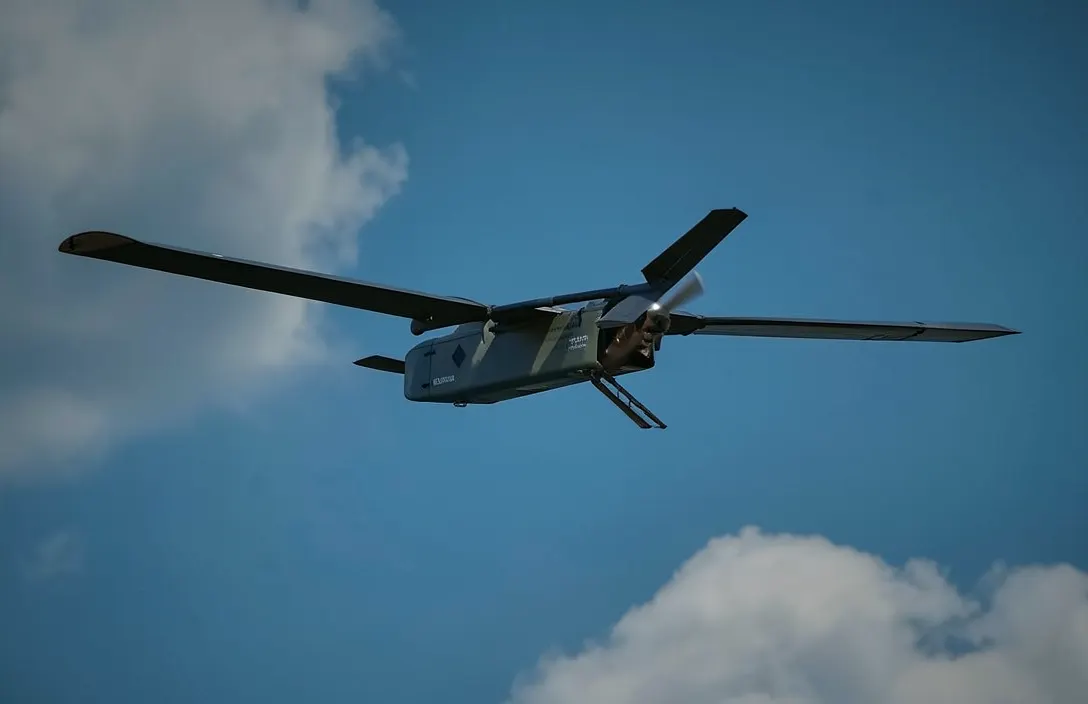

Diplomats meeting at the United Nations in Geneva have agreed to start discussing options to regulate lethal autonomous weapons, often called 'killer robots' (Source ID: 1). After a week of negotiations that dragged on until the small hours of Saturday morning, a compromise emerged: countries would have two years to suggest regulations that could be legally binding, but could also be optional (Source ID: 1). Bleary-eyed negotiators insisted the agreement was better than nothing and showed the U.N.'s disarmament process could still function (Source ID: 1). [1]
Before the negotiations got underway, the International Committee of the Red Cross, the guardian of the Geneva Conventions, said it was urgent for legally binding rules to be drafted within a year. That call was backed by the U.N. secretary-general and by Pope Leo (Source ID: 1). Their concerns stem from the kind of warfare we are now seeing. In Ukraine, Sudan and Gaza, civilians are being killed by semi-autonomous drones (Source ID: 1). [1]
Humans remain, albeit very remotely, in control for now, but humanitarian organizations fear we are on the verge of seeing artificial intelligence-assisted weapons make the decision to kill entirely on their own (Source ID: 1). Algorithms making life-and-death decisions. 'There is a fundamental ethical concern with having what are essentially these life-and-death decisions determined by programming, determined by an algorithm,' said ICRC legal adviser Georgia Hinds (Source ID: 1). [1]
Diplomats meeting at the United Nations in Geneva have agreed to start discussing options to regulate lethal autonomous weapons, often called 'killer robots' (Source ID: 1). After a week of negotiations that dragged on until the small hours of Saturday morning, a compromise emerged: countries would have two years to suggest regulations that could be legally binding, but could also be optional. Bleary-eyed negotiators insisted the agreement was better than nothing and showed the U.N.'s disarmament process could still function. [1]
Advertisement
Before the negotiations got underway, the International Committee of the Red Cross, the guardian of the Geneva Conventions, said it was urgent for legally binding rules to be drafted within a year. That call was backed by the U.N. secretary-general and by Pope Leo. Their concerns stem from the kind of warfare we are now seeing. In Ukraine, Sudan and Gaza, civilians are being killed by semi-autonomous drones. This year in Sudan, 80% of civilian deaths were caused by drones according to the U.N. [1]
Humans remain, albeit very remotely, in control for now, but humanitarian organizations fear we are on the verge of seeing artificial intelligence-assisted weapons make the decision to kill entirely on their own. Algorithms making life-and-death decisions. There is a fundamental ethical concern with having what are essentially these life-and-death decisions determined by programming, determined by an algorithm. That’s not something that you can fix with better technology. That is a moral red line that we cannot cross. [1]
Diplomats meeting at the United Nations in Geneva have agreed to start discussing options to regulate lethal autonomous weapons, often called 'killer robots' (Source ID: 1). After a week of negotiations that dragged on until the small hours of Saturday morning, a compromise emerged: countries would have two years to suggest regulations that could be legally binding, but could also be optional. Bleary-eyed negotiators insisted the agreement was better than nothing and showed the U.N.'s disarmament process could still function. [1]
Before the negotiations got underway, the International Committee of the Red Cross, the guardian of the Geneva Conventions, said it was urgent for legally binding rules to be drafted within a year. That call was backed by the U.N. secretary-general and by Pope Leo. Their concerns stem from the kind of warfare we are now seeing. In Ukraine, Sudan and Gaza, civilians are being killed by semi-autonomous drones. This year in Sudan, 80% of civilian deaths were caused by drones according to the U.N. [1]
Advertisement
Humans remain, albeit very remotely, in control for now, but humanitarian organizations fear we are on the verge of seeing artificial intelligence-assisted weapons make the decision to kill entirely on their own. Algorithms making life-and-death decisions 'There is a fundamental ethical concern with having what are essentially these life-and-death decisions determined by programming, determined by an algorithm,' said ICRC legal adviser Georgia Hinds. 'That’s not something that you can fix with better technology. That is a moral red line that we cannot cross.' [1]
Diplomats meeting at the United Nations in Geneva have agreed to start discussing options to regulate lethal autonomous weapons, often called 'killer robots' (Source ID: 1). After a week of negotiations, a compromise was reached: countries would have two years to suggest regulations that could be legally binding, but could also be optional. Bleary-eyed negotiators insisted the agreement was better than nothing and showed the U.N.’s disarmament process could still function. [1]
Before the negotiations got underway, the International Committee of the Red Cross, the guardian of the Geneva Conventions, said it was urgent for legally binding rules to be drafted within a year. That call was backed by the U.N. secretary-general and by Pope Leo. Their concerns stem from the kind of warfare we are now seeing. In Ukraine, Sudan and Gaza, civilians are being killed by semi-autonomous drones. This year in Sudan, 80% of civilian deaths were caused by drones according to the U.N. [1]
Humans remain, albeit very remotely, in control for now, but humanitarian organizations fear we are on the verge of seeing artificial intelligence-assisted weapons make the decision to kill entirely on their own. Algorithms making life-and-death decisions, said ICRC legal adviser Georgia Hinds, raise a fundamental ethical concern with having what are essentially these life-and-death decisions determined by programming, determined by an algorithm. [1]
Advertisement
A key worry is that, with two years to talk about possible rules that might only be optional, the technology will race ahead, uncontrolled. Anna Hehir, an expert in military AI governance at the Future of Life Institute, said that we’re likely to see the systems proliferate. They’re not like nuclear weapons in that they’re inaccessible. There are autonomous weapons that are easy to purchase or even to create for all kinds of actors: individuals, nonstate actors, criminal groups. [1]
Sources
Prepared with AI assistance from the cited sources.
The Cali Reporter newsletter
The stories worth your time.
California, the country, and what comes next. Join our free newsletter for reporting that keeps you informed.
More in West Coast
- COP31 Collapse Highlights Climate Negotiation Challenges
The collapse of COP31, the U.N. climate talks in Turkey, has underscored the difficulties in achieving global consensus on climate action, with experts emphasizing the need for reform and individual efforts moving…
- ScienceWorks Museum to Transition to Community Science Center
ScienceWorks Hands-On Museum in Ashland, Oregon, is pausing most activities and transitioning to a community science center with new resources for all ages, according to a report by Jefferson Public Radio.
- Seniors Embrace Tesla's Automated Driving Despite Safety Concerns
A growing number of older drivers are using Tesla's Full-Self Driving (Supervised) technology to maintain their independence, despite warnings from safety experts about potential risks.