Trilateral Summit Sparks Concerns of Modern-Day Yalta Conference
A potential China-US-Russia summit has raised concerns that it may resemble the 1945 Yalta Conference, with major powers discussing the division of global influence.

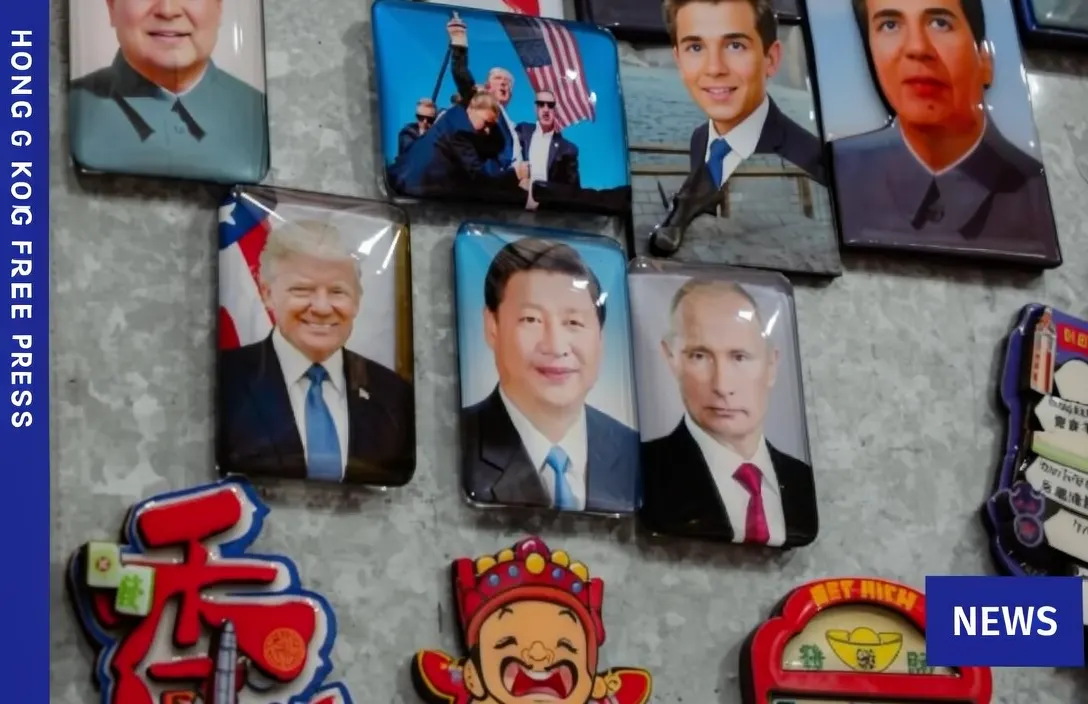

A possible China-US-Russia summit has prompted alarm of a modern-day Yalta Conference, with three powerful men carving up the world — with little regard for Ukraine, Europe and Taiwan or anyone else (1). The meeting between Presidents Xi Jinping, Donald Trump, and Vladimir Putin at the November 18-19 APEC summit in Shenzhen will likely achieve little, analysts say. When then US president Franklin D. Roosevelt, Britain’s Winston Churchill and Soviet leader Joseph Stalin met in Yalta in February 1945, they laid out the post-WWII settlement and new territorial boundaries in Europe (1). [1]
Ukraine’s President Volodymyr Zelensky has raised alarm that Shenzhen could be a Yalta-like ‘redistribution of spheres of influence’ for the 21st century (1). At talks in Abu Dhabi this week — the first since February — Russian negotiators rattled Ukraine and its European supporters by pushing a review of the continent’s security architecture as part of any peace deal, with the US also floating a new framework (1). Russia’s delegation chief in Abu Dhabi, Vladimir Medinsky, fanned such fears by questioning the inclusion of Europe in further talks (1). [1]
The trilateral rankles because it signals ‘the idea that a few great powers can decide the security and future of other countries over their heads,’ according to Tsiporah Fried at the Hudson Institute (1). Divergent interests make the creation of a new world order in Shenzhen unlikely. Even the agenda reportedly remains contentious: Russia has suggested the meeting focus on Ukraine, Trump has pushed for talks on nuclear weapons and the Iran war, and China has remained tight-lipped on both (1). [1]
‘The three parties have vastly different demands, making the management of expectations difficult. There is a high probability that talks could end without a breakthrough,’ according to Wang Wen, dean of the Chongyang Institute for Financial Studies at Renmin University in Beijing (1). The main points of contention between Beijing and Washington are trade and the AI technology race, for instance (1). [1]
Advertisement
A possible China-US-Russia summit has prompted alarm of a modern-day Yalta Conference, with three powerful men carving up the world — with little regard for Ukraine, Europe and Taiwan or anyone else (1). The meeting between Presidents Xi Jinping, Donald Trump and Vladimir Putin at the November 18-19 APEC summit in Shenzhen will likely achieve little, analysts say (1). [1]
Ukraine’s President Volodymyr Zelensky has raised alarm that Shenzhen could be a Yalta-like 'redistribution of spheres of influence' for the 21st century (1). The trilateral rankles because it signals 'the idea that a few great powers can decide the security and future of other countries over their heads,' according to Tsiporah Fried at the Hudson Institute (1). [1]
The three parties have vastly different demands, making the management of expectations difficult. There is a high probability that talks could end without a breakthrough, according to Wang Wen, dean of the Chongyang Institute for Financial Studies at Renmin University in Beijing (1). [1]
A possible China-US-Russia summit has prompted alarm of a modern-day Yalta Conference, with three powerful men carving up the world — with little regard for Ukraine, Europe and Taiwan or anyone else (1). Ukraine’s President Volodymyr Zelensky has raised alarm that Shenzhen could be a Yalta-like 'redistribution of spheres of influence' for the 21st century (1). The trilateral rankles because it signals 'the idea that a few great powers can decide the security and future of other countries over their heads,' according to Tsiporah Fried at the Hudson Institute (1). [1]
Advertisement
The meeting between Presidents Xi Jinping, Donald Trump and Vladimir Putin at the November 18-19 APEC summit in Shenzhen will likely achieve little, analysts say (1). When then US president Franklin D. Roosevelt, Britain’s Winston Churchill and Soviet leader Joseph Stalin met in Yalta in February 1945, they laid out the post-WWII settlement and new territorial boundaries in Europe (1). [1]
The three parties have vastly different demands, making the management of expectations difficult (1). Even the agenda reportedly remains contentious: Russia has suggested the meeting focus on Ukraine, Trump has pushed for talks on nuclear weapons and the Iran war, and China has remained tight-lipped on both (1). [1]
There are also few issues where input from all three leaders could bring progress. The main points of contention between Beijing and Washington are trade and the AI technology race, for instance (1). Beijing — which presents itself as a champion of multilateralism — has repeatedly said that Europe should be part of peace negotiations over Ukraine (1). [1]
Sources
Prepared with AI assistance from the cited sources.
The Cali Reporter newsletter
The stories worth your time.
California, the country, and what comes next. Join our free newsletter for reporting that keeps you informed.
More in U.S. News
- Nvidia CEO Returns to Denny's After Plaque Removal
Nvidia's CEO, Jensen Huang, has returned to the Denny's in San Jose, California, where the company was founded, following the temporary removal of a commemorative plaque.
- Taylor Frankie Paul Hints at Applying for Sam Hartman's 'Bachelor' Season
Taylor Frankie Paul, whose 'Bachelorette' season was canceled, is jokingly suggesting she may apply for Sam Hartman's upcoming 'Bachelor' season.
- Kentucky Couple's Dream Home Turns Into Snake-Infested Nightmare
A Kentucky couple's new home has become a snake-infested nightmare, with evidence suggesting the infestation may have been present for decades.