Transformation of a Former Klan Headquarters in Fort Worth
A dilapidated building in Fort Worth, Texas, once a Ku Klux Klan headquarters, is being reimagined as a community and arts center, sparking discussions about how to address difficult historical legacies.

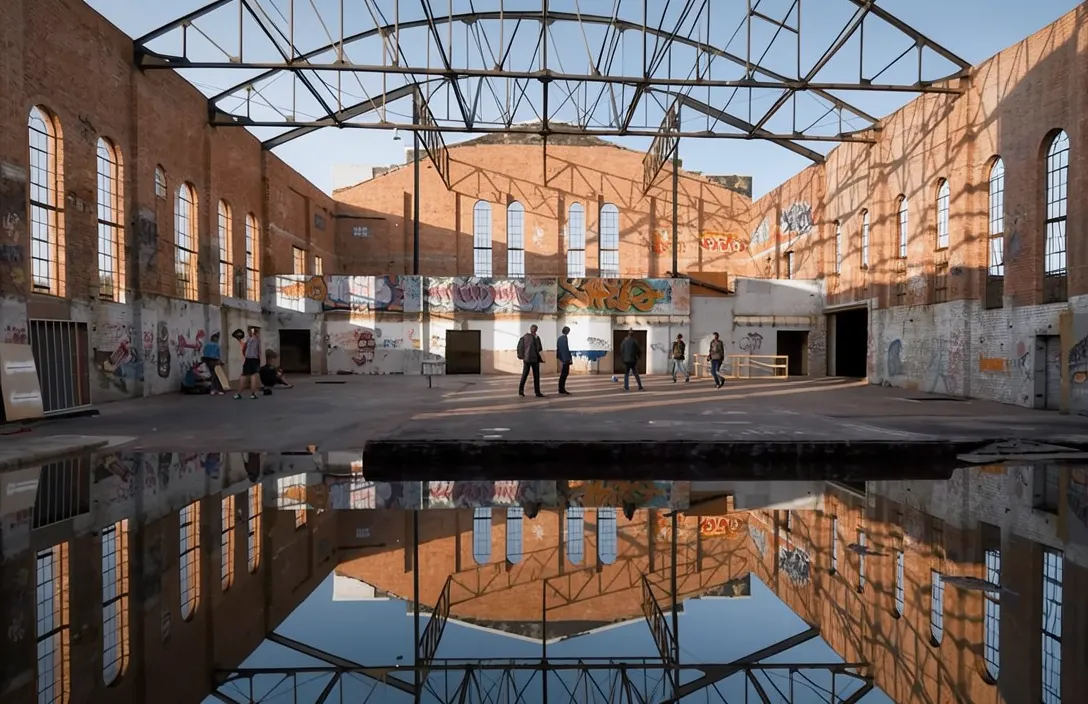
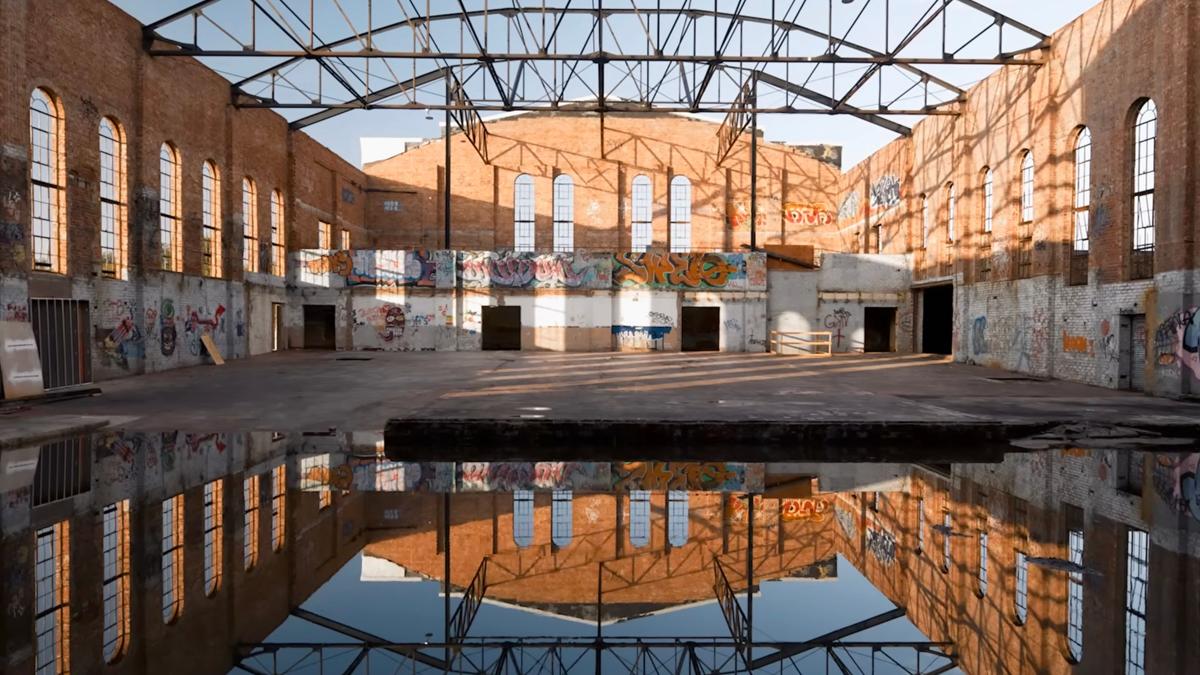
In Fort Worth, Texas, a massive, dilapidated building serves as an ever-present symbol of racial violence and segregation to those who know its history. Constructed in the 1920s, the structure, initially known as Klavern No 101, was briefly the auditorium and headquarters of Fort Worth’s Ku Klux Klan chapter (Aeon). [1]
The building stood between downtown and the North Side, where migrants and communities of colour had settled, so many residents had to pass it on their way to work. This location made it a daily reminder of the racial tensions and segregation that defined the area during the time of its construction (Aeon). [1]
In this short documentary, the director Chris Neighbors, a member of the Choctaw Nation of Oklahoma, brings together scholars, community members and those directly involved in redesigning the space to reflect on its past and the thinking behind its transformation into an arts and community centre (Aeon). [1]
Filmed inside the building itself, their conversations consider a question that extends far beyond Fort Worth: how do we preserve difficult histories without preserving the values they once stood for? (Aeon). [1]
Advertisement
In Fort Worth, Texas, a massive, dilapidated building serves as an ever-present symbol of racial violence and segregation to those who know its history. Constructed in the 1920s, the structure, initially known as Klavern No 101, was briefly the auditorium and headquarters of Fort Worth’s Ku Klux Klan chapter (Aeon). [1]
The building stood between downtown and the North Side, where migrants and communities of colour had settled, so many residents had to pass it on their way to work. This location made it a visible reminder of the segregationist policies that shaped the city’s development during the early 20th century (Aeon). [1]
In this short documentary, the director Chris Neighbors, a member of the Choctaw Nation of Oklahoma, brings together scholars, community members and those directly involved in redesigning the space to reflect on its past and the thinking behind its transformation into an arts and community centre (Aeon). [1]
Filmed inside the building itself, their conversations consider a question that extends far beyond Fort Worth: how do we preserve difficult histories without preserving the values they once stood for? (Aeon). [1]
Advertisement
In Fort Worth, Texas, a massive, dilapidated building serves as an ever-present symbol of racial violence and segregation to those who know its history. Constructed in the 1920s, the structure, initially known as Klavern No 101, was briefly the auditorium and headquarters of Fort Worth’s Ku Klux Klan chapter (Aeon). [1]
The building stood between downtown and the North Side, where migrants and communities of colour had settled, so many residents had to pass it on their way to work. Its location made it a daily reminder of the racial tensions and segregation that shaped the city during the early 20th century (Aeon). [1]
In Fort Worth, Texas, a massive, dilapidated building serves as an ever-present symbol of racial violence and segregation to those who know its history (Aeon). Constructed in the 1920s, the structure, initially known as Klavern No 101, was briefly the auditorium and headquarters of Fort Worth’s Ku Klux Klan chapter. It stood between downtown and the North Side, where migrants and communities of colour had settled, so many residents had to pass it on their way to work (Aeon). [1]
The building has become a focal point for discussions about how to address the legacies of racial violence and segregation in public spaces. The documentary, directed by Chris Neighbors, a member of the Choctaw Nation of Oklahoma, features conversations with scholars, community members, and those involved in the redesign of the space (Aeon). These discussions explore the complexities of preserving difficult histories while ensuring that the values they represent are not perpetuated. [1]
Advertisement
Filmed inside the building itself, the documentary considers a question that extends far beyond Fort Worth: how do we preserve difficult histories without preserving the values they once stood for (Aeon). The transformation of the building into an arts and community centre represents a deliberate effort to repurpose a site of racial violence into a space that fosters dialogue, education, and community engagement. [1]
Sources
Prepared with AI assistance from the cited sources.
The Cali Reporter newsletter
The stories worth your time.
California, the country, and what comes next. Join our free newsletter for reporting that keeps you informed.
More in World
- Irish Man Charged with Destroying U.S. Military Aircraft at Shannon Airport
A man from Ireland has been indicted for allegedly destroying a U.S. military aircraft at Shannon Airport, according to prosecutors in New York.
- Trump's APEC Summit and Strategic Meetings
President Donald Trump is set to attend the APEC summit in Shenzhen, China, where he is expected to meet with Chinese President Xi Jinping and participate in a trilateral meeting with Russian President Vladimir Putin,…
- Early Snowfall in Northern England and Scotland
Snowfall occurred in parts of Northern England and southern Scotland, with subsequent melting due to milder temperatures, according to the BBC.