

Three Out of Four Denied: How a $4 Trillion Healthcare Experiment Is Using AI to Profit from Senior Pain
A pilot program for Medicare seniors faces lawsuits and technical failures despite promises of efficiency.

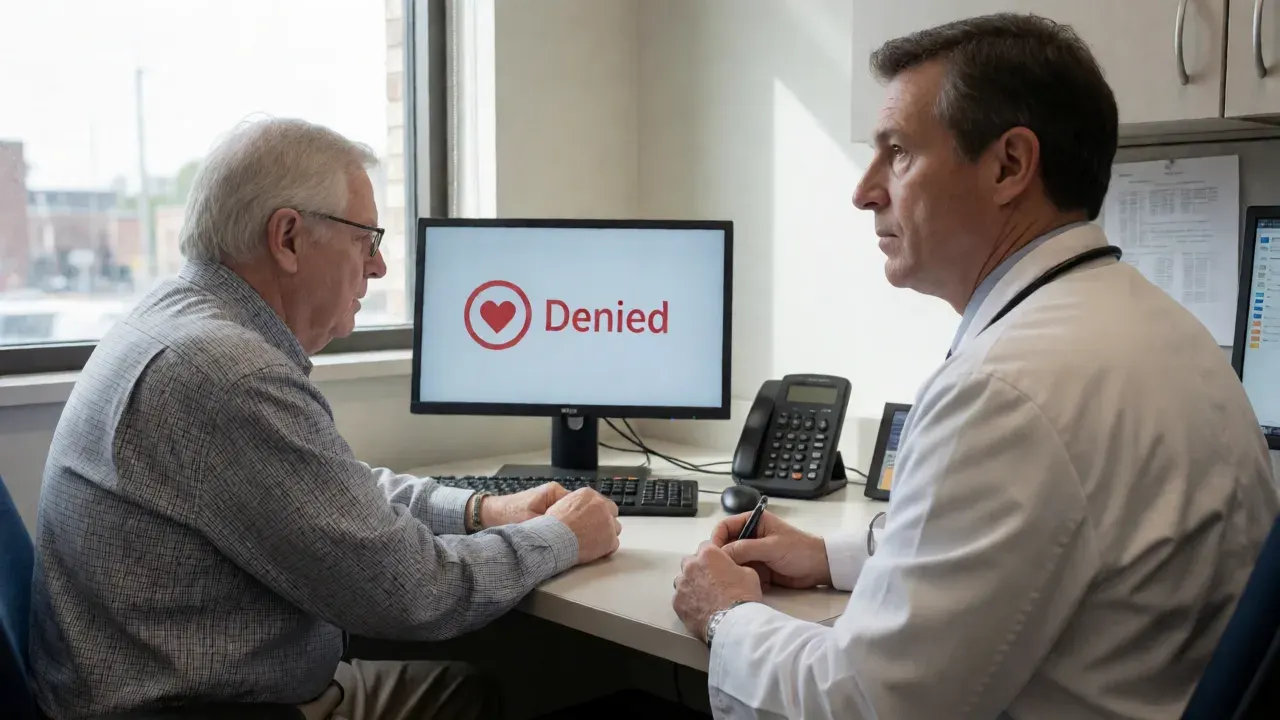
The federal government has long used leverage to manage the massive financial risk of Medicare. It is now trying a new lever artificial intelligence. The result is a pilot program that combines the high overhead of bureaucracy with the high error rate of code. The program is called WISeR. The acronym stands for Wasteful and Inappropriate Service Reduction. The goal is to save money by denying claims before they are paid. The implementation has been so messy that it is now the subject of litigation and a government audit. Here is the financial breakdown of a program that is making seniors cry.
WISeR uses artificial intelligence and machine learning to authorize or deny healthcare requests for Medicare patients. It is a pilot program rolled out in January by the Trump administration. It covers six states including New Jersey Ohio Oklahoma Texas Arizona and Washington. The program is designed to run until the end of 2031. It targets specific medical services that previously did not require prior authorization. These include nerve stimulation epidural steroid injections for pain cervical fusions skin substitutes for wounds and treatments for incontinence and impotence. The logic is straightforward. If you reduce the number of approved claims you reduce the amount of money the federal government spends. This creates a direct financial incentive for the private vendors running the program.
Chris Klomp the deputy administrator of the Centers for Medicare and Medicaid and the nominee for deputy secretary of Health and Human Services acknowledged this incentive during a confirmation hearing. He noted that vendors rolling out AI have an incentive to deny as many claims as possible. This is classic financial risk management. The vendor takes on the task of processing claims and in return they receive a contract. If they deny more claims they theoretically save the government money and keep their profit. The reality of the rollout however has been less about optimization and more about survival. The technology was not ready but the contract was signed. One vendor Innovaccer was so unprepared that it asked the government to delay the rollout. When the delay did not come the company set up its system to automatically approve all requests. The company stated in a letter to government officials that auto affirming is the only path available that avoids creating a backlog of unprocessed prior authorizations and claims while we finalize validate and deploy the full rules based solution.

Profitability was not the only issue. Competitors were confused by the basic mechanics of the Medicare system. Another vendor Zyter struggled with data discrepancies for months. The company apparently did not understand the difference between Medicare Part A which covers inpatient and hospital care and Part B which covers outpatient services. This level of technical error suggests that the vetting process for these contracts was less about competence and more about speed. The program relies on a 72 hour deadline for authorization decisions. Virtix a vendor handling requests found itself lagging behind this target. A weekly report from March 30 showed that Virtix had reviewed 6096 pre authorization requests. It approved 2863 of them and denied 3233. That is a 53 percent denial rate. In the world of finance a 53 percent rejection rate is often a sign of a poor credit model. In healthcare it means patients are waiting in pain.
Delays in WISeR have been severe. The program is intended to provide authorization decisions within 72 hours. Virtix was put on a Corrective Action Plan by the Centers for Medicare & Medicaid Services for noncompliance with this 72 hour window. The company claimed it reduced its average turnaround time for prior authorization to 1.18 days and prepayment review determinations to 1.17 days. While these numbers look good on paper the reality is that at least one request was pending for 83 days. One healthcare provider reported that a surgery was pushed back almost two months due to zero communication. This lack of communication is the true cost of the automation. The system is designed to be efficient but it lacks the human element required to explain why a denial is happening or to expedite a simple approval. Patients and doctors are left navigating a black box of algorithms.
The human impact of these technical fumbles is captured in feedback from healthcare providers. One provider in Ohio described patients crying in pain at their bedside as they waited for a decision on a minimally invasive surgery to treat compression fractures in their spines. The provider wrote in all capital letters that I HAVE HAD TO WATCH 3 PATIENTS CRY AT BEDSIDE FOR NOT HEARING BACK ON THEIR PRIOR AUTH FOR KYPHOPLASTY VERTABRAL AUGMENTIATION PROCEDURE. THESE PATIENTS ARE IN DEEP PAIN. Another provider called the experience a disgrace to the human race in America and described it as third world. These are not abstract concepts of inefficiency to the providers. They are broken promises to their patients. The vendors are working to enhance the experience but the feedback from the ground suggests the systems are fundamentally flawed. The suggestion to resubmit authorization requests or ask for peer to peer discussions about denials is unlikely to fix the problem when the underlying data is wrong or the technology is crashing.
The financial and legal backlash has been swift. The Government Accountability Office determined in May that Trump officials did not follow proper procedure in setting up the program calling its legality into question. The Electronic Frontier Foundation released federal documents about the program that the group obtained amid litigation. These documents confirm the technical failures and the poor communication. Meanwhile lawmakers have tried to get answers. Rep. Suzan DelBene (D-Wash.) called a committee vote to try to get the Trump administration to release more documents about WISeR but Republicans voted the effort down. She stated that it is clear why the administration is doing everything they can to conceal these documents. The more that Americans learn about WISeR the more outraged they get at the Trump administration for jeopardizing their care and trying to privatize Medicare.
The program is currently moving ahead despite these issues. The plan is to expand the WISeR model in the coming years. It represents a bold attempt to apply profit driven logic to a social safety net program. It is a high risk bet that the cost savings from reduced fraud and waste will outweigh the costs of denied care and administrative bloat. The data so far suggests the gamble is not paying off. The vendors have demonstrated a willingness to cut corners and the government has demonstrated a willingness to overlook protocol in the name of technological innovation. For the millions of Americans relying on Medicare this experiment has not been an experiment in efficiency. It has been an experiment in suffering.
First reported by r/artificial.
More in Business
- IMF Chief Warns of Economic Divergence and Debt Risks Amid Artificial Intelligence Boom
Kristalina Georgieva suggests that while AI could significantly boost global growth, it simultaneously threatens to widen inequality and exacerbate inflationary pressures and public debt burdens.
- California Limits Utility Profits and Expands Home Energy Role
Gov. Gavin Newsom signed laws capping utility returns on lower-risk projects and accelerating virtual power plant development.
- Lyft to Pay $272.5 Million in Record California Wage-Theft Settlement
Largest such settlement in state history resolves claims that Lyft misclassified drivers as independent contractors from 2016 to 2020, denying them core wage protections.