Three-Banded Armadillo Pup Born at Oregon Zoo
A three-banded armadillo pup named Rook was born at the Oregon Zoo, marking a positive development for the species, which is listed as 'near threatened' by the International Union for Conservation of Nature.

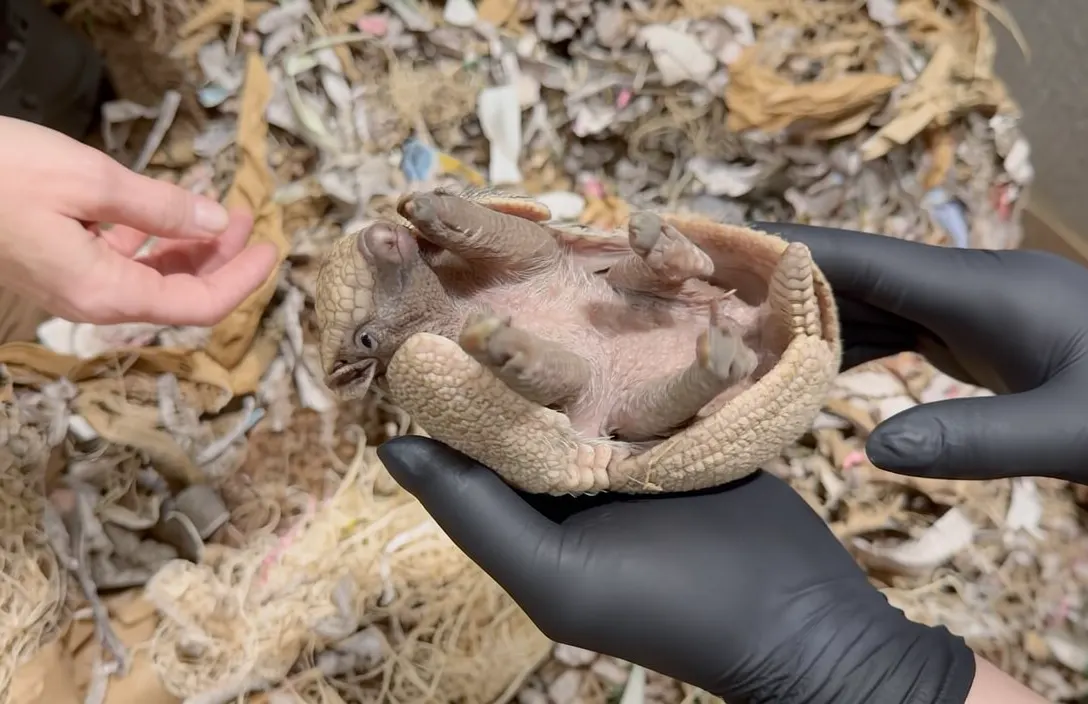

The Oregon Zoo announced that Rook, a three-banded armadillo, was born in late September to parents Max and Toby. The pup is a boon to the species, which is listed as 'near threatened' by the International Union for Conservation of Nature (Source ID: 1). [1]
Max and Toby have lived at the Oregon Zoo since 2018 and have had a total of three pups together. Their first was born in 2019 and relocated to Elmwood Park Zoo in Pennsylvania, while their second pup, born in 2024, now lives at Discover Cove Orlando (Source ID: 1). [1]
Three-banded armadillos are native to open grasslands and marshes in eastern Bolivia, southwestern Brazil, Paraguay, and Argentina. They are among the smallest of the world’s 20 armadillo species and are the only ones that can roll into a totally enclosed ball for protection (Source ID: 1). [1]
The species is also unique in that they do not excavate underground dens like most armadillos. Instead, they make their homes in abandoned anteater burrows. In the wild, they can live 10 to 15 years, but in human care, their lifespan can double or more (Source ID: 1). [1]
Advertisement
The Oregon Zoo announced on Wednesday that Rook, a three-banded armadillo, was born in late September to parents Max and Toby (1). Max and Toby have lived at the Oregon Zoo since 2018 and have had a total of three pups together (1). The zoo's announcement highlights the significance of the birth, as three-banded armadillos are listed as 'near threatened' by the International Union for Conservation of Nature (1). [1]
Three-banded armadillos are native to open grasslands and marshes in eastern Bolivia, southwestern Brazil, Paraguay, and Argentina (1). Unlike most armadillos, they do not excavate underground dens but instead make their homes in abandoned anteater burrows (1). The species is also unique in that they can roll into a totally enclosed ball for protection, a behavior that is consistent on the same side, making them 'right-handed' or 'left-handed' (1). [1]
Max and Toby have been instrumental in the Oregon Zoo’s conservation efforts, as they are part of the Association of Zoos and Aquariums’ Species Survival Plan (SSP) program (1). This program aims to support genetic diversity and self-sustaining populations of threatened and endangered animals (1). The zoo will follow SSP guidance on whether to breed more three-banded armadillos in the future (1). [1]
The Oregon Zoo announced on Wednesday that Rook, a three-banded armadillo, was born in late September to parents Max and Toby (1). The pup is a boon to the species, which is listed as 'near threatened' by the International Union for Conservation of Nature. Max and Toby have lived at the Oregon Zoo since 2018 and have had a total of three pups together (1). [1]
Advertisement
Three-banded armadillos are native to open grasslands and marshes in eastern Bolivia, southwestern Brazil, Paraguay, and Argentina (1). The species is also unique in that they do not excavate underground dens like most armadillos. They instead make their homes in abandoned anteater burrows (1). [1]
Max and Toby are part of the Association of Zoos and Aquariums’ Species Survival Plan (SSP) program, which aims to support genetic diversity and self-sustaining populations of threatened and endangered animals (1). The Oregon Zoo will follow SSP guidance on whether to breed more three-banded armadillos in the future (1). [1]
The Oregon Zoo announced that Rook, a three-banded armadillo, was born in late September to parents Max and Toby (1). This is the third pup born to Max and Toby, who have lived at the Oregon Zoo since 2018 (1). The species is native to open grasslands and marshes in eastern Bolivia, southwestern Brazil, Paraguay, and Argentina (1). Unlike most armadillos, three-banded armadillos do not excavate underground dens but instead use abandoned anteater burrows for shelter (1). [1]
Three-banded armadillos are unique in their ability to roll into a completely enclosed ball for protection, a behavior that is consistent on the same side, making them either right- or left-handed (1). In the wild, they can live 10 to 15 years, but in human care, their lifespan can double or more (1). The Oregon Zoo’s care staff monitored Rook’s early days from afar and only recently had their first hands-on meeting with the pup during a routine health check (1). [1]
Advertisement
Max and Toby are part of the Association of Zoos and Aquariums’ Species Survival Plan (SSP) program, which aims to support genetic diversity and self-sustaining populations of threatened and endangered animals (1). The SSP program guides decisions on whether to breed more three-banded armadillos in the future (1). The Oregon Zoo will follow SSP guidance on future breeding decisions (1). [1]
Sources
Prepared with AI assistance from the cited sources.
The Cali Reporter newsletter
The stories worth your time.
California, the country, and what comes next. Join our free newsletter for reporting that keeps you informed.
More in West Coast
- COP31 Collapse Highlights Climate Negotiation Challenges
The collapse of COP31, the U.N. climate talks in Turkey, has underscored the difficulties in achieving global consensus on climate action, with experts emphasizing the need for reform and individual efforts moving…
- ScienceWorks Museum to Transition to Community Science Center
ScienceWorks Hands-On Museum in Ashland, Oregon, is pausing most activities and transitioning to a community science center with new resources for all ages, according to a report by Jefferson Public Radio.
- Seniors Embrace Tesla's Automated Driving Despite Safety Concerns
A growing number of older drivers are using Tesla's Full-Self Driving (Supervised) technology to maintain their independence, despite warnings from safety experts about potential risks.