The Burden of Caregiving on Women in the U.S.
A growing number of American women are taking on the role of caregivers for aging family members, often at significant personal and financial cost, according to a recent analysis.

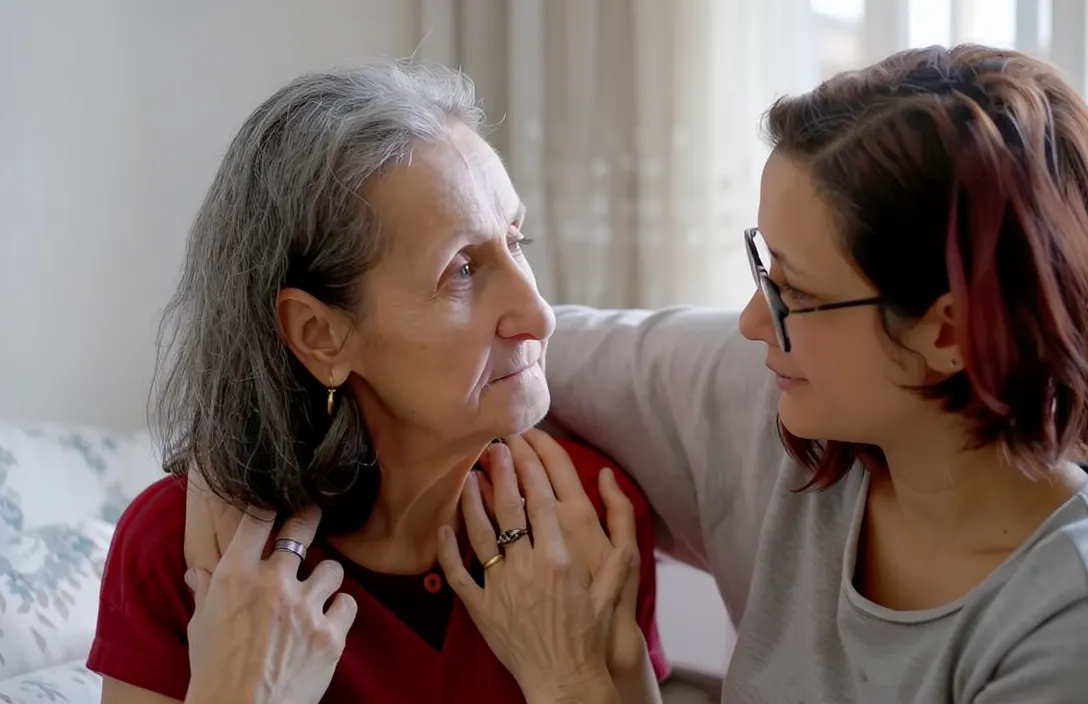
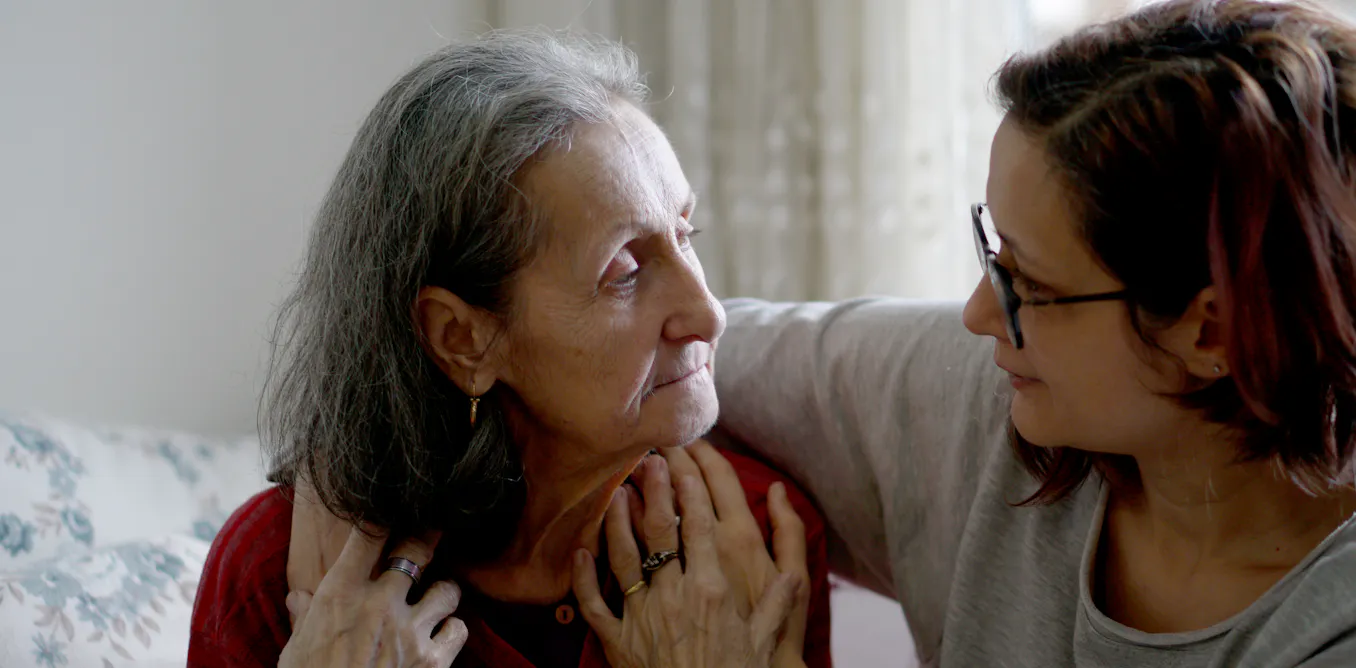
The 'Sister' sketch on 'Saturday Night Live' has brought attention to the growing trend of women taking on the role of caregivers for aging parents. According to evidence, in 2018, there were 43.5 million Americans providing care to a loved one, a number that has since risen to 63 million – about 1 in 4 adults (Source ID: 1). This increase reflects a societal shift where more individuals find themselves in the position of the exhausted caregiver depicted in the sketch. The burden of caregiving is often disproportionately shouldered by women, as highlighted by the sketch and supported by the evidence (Source ID: 1). [1]
The care provided by family members is largely unpaid, yet it is estimated to be worth about $1 trillion (Source ID: 1). Despite the economic value of this work, it is not counted in government estimates of economic activity. The financial strain on caregivers is significant, as many must reduce their work hours or even quit their jobs to provide care. This has long-term financial implications, with AARP estimating that family caregivers born between 1981 and 1985 will lose on average $120,500 in income over their lifetimes due to caregiving (Source ID: 1). [1]
The 'Sister' sketch also highlights the gender dynamics in caregiving. Sociologists have found that men with a sister do less parental caregiving than men without a sister, while women with a brother do more caregiving than women without a brother (Source ID: 1). This extra caregiving burden on women is sometimes referred to as the 'daughterhood penalty.' However, there is some positive news: the gender gap in caregiving is narrowing, with female caregivers from the millennial generation spending less time on household chores compared to their baby boomer counterparts (Source ID: 1). [1]
The “Sister” sketch on “Saturday Night Live” highlights the disproportionate burden of caregiving on women, as evidenced by the 63 million family caregivers in the U.S. as of the latest data, with the majority being female. The sketch specifically references the 43.5 million caregivers in 2018, a number that has since increased significantly. The caregiving role is often unpaid, with the value of this labor estimated at around $1 trillion annually. The sketch’s humor underscores the societal expectation that caregiving is a female responsibility, a notion that persists despite growing awareness and efforts to shift gender roles in caregiving. The ad’s warning that “Sister may break down without warning” reflects the emotional and physical toll on caregivers, particularly women, who often sacrifice their own careers and financial stability to provide care. This is supported by AARP data showing that caregivers born between 1981 and 1985 could lose an average of $120,500 in income over their lifetimes due to caregiving responsibilities. [1]
Advertisement
The caregiving burden is not only economic but also emotional, with studies showing that family caregivers face higher levels of stress and health issues than non-caregivers. The sketch’s portrayal of men shirking caregiving duties while women take on the role aligns with sociological research that finds men with a sister tend to do less caregiving than men without a sister, while women with a brother do more caregiving than those without a brother. This phenomenon, known as the “daughterhood penalty,” reflects ingrained societal norms that associate caregiving with femininity. The sketch also brings attention to the fact that caregiving is often unpaid, with most caregivers cutting back on work hours or leaving their jobs entirely. The economic impact includes lost wages, reduced retirement benefits, and out-of-pocket expenses for caregiving necessities, which can amount to over $7,000 annually per caregiver. The “Sister” ad has sparked a broader conversation about the need for systemic support for caregivers, including policy changes and societal shifts in gender roles. [1]
Sources
The Conversation – Articles (US)
Prepared with AI assistance from the cited sources.
The Cali Reporter newsletter
The stories worth your time.
California, the country, and what comes next. Join our free newsletter for reporting that keeps you informed.
More in Explainers
- NATO Confronts Escalating Russian Airspace Violations
NATO has faced a sharp increase in Russian airspace violations, with incidents rising sharply in 2025 and continuing into 2026, according to a systematic review of data and events.
- Target-Date Funds and Market Volatility in Retirement Savings
Market fluctuations, particularly in tech stocks like Nvidia, are prompting concerns about the impact on retirement savings held in target-date funds. These funds automatically adjust their asset allocation as…
- Understanding Polyglotism: What It Really Means to Speak Multiple Languages
The term 'polyglot' is often used to describe individuals who speak multiple languages, but determining the exact criteria for such a label remains a complex and debated topic. This section explores historical and…