Supervisor Introduces Resolution to Reform Rape Investigation Practices
Following a report by The San Francisco Standard, Supervisor Myrna Melgar has introduced a resolution urging the San Francisco Police Department to reform its handling of sexual assault cases.

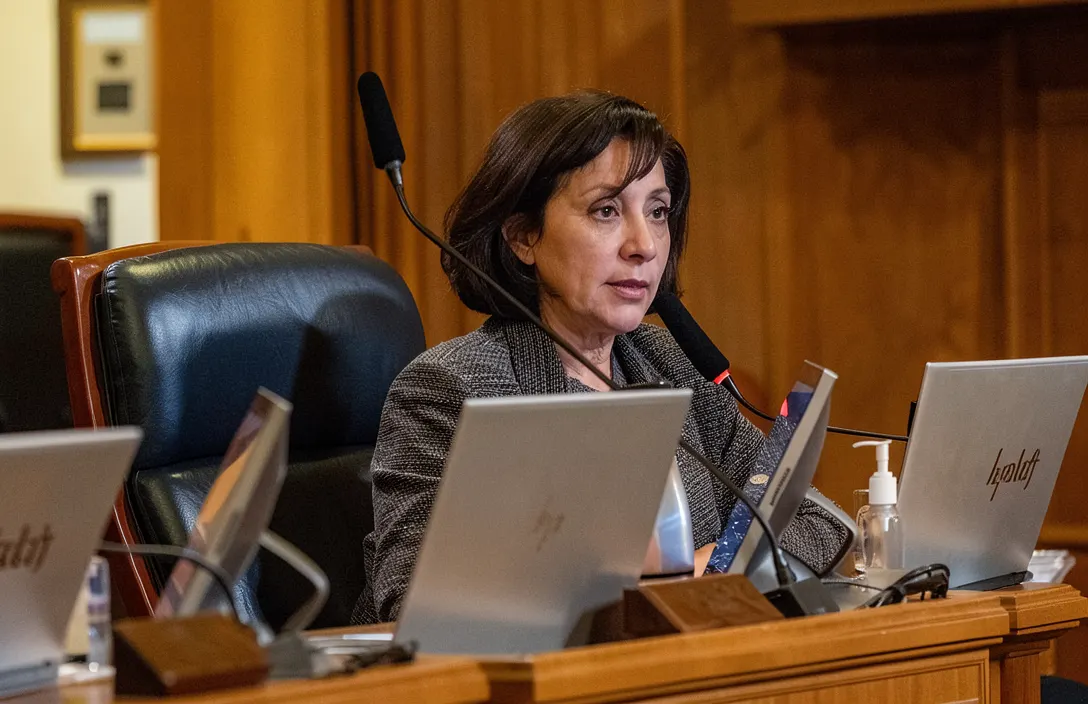
Spurred by The Standard’s reporting on low clearance rates of rape investigations, Supervisor Myrna Melgar on Tuesday introduced a resolution urging the San Francisco Police Department to reform its handling of sexual assault cases. The resolution, which carried the signatures of all 11 supervisors, follows an Oct. 8 joint special hearing at the board that was called in response to a report published in The Standard in July, detailing the SFPD’s abysmal record on investigating rape and sexual assault cases (1). [1]
The SFPD cleared just 14% of rape cases last year, the report found — half the national rate and the lowest of any large California county in the past five years. What’s more, in 2025, more than 300 victims endured hours-long, invasive rape exams at San Francisco General Hospital, only for 78% of their cases to be labeled as “inactive,” the department’s term for cases that are technically open but are not being investigated (1). [1]
The resolution — which is not legally binding but rather a formal policy statement by the board — asks the SFPD to require new training for Special Victims Unit investigators and patrol officers. It recommends that officers be trained on trauma-informed interviewing and retrained on how to accurately label sex-crime reports so they’re properly investigated. It also asks the SFPD to connect victims with community advocates or sexual assault counselors (1). [1]
The resolution also directs the SFPD to create an internal “accountability matrix” to track its progress on implementing changes in its handling of sexual assault cases. The SFPD has often pointed to low staffing numbers in the SVU as a reason for its poor record on sexual assault. The board’s resolution asks the SFPD to assess the SVU’s staffing, assign “reasonable” caseloads, and work on recruitment and retention (1). [1]
Advertisement
Spurred by The Standard’s reporting on low clearance rates of rape investigations, Supervisor Myrna Melgar on Tuesday introduced a resolution urging the San Francisco Police Department to reform its handling of sexual assault cases (1). The resolution, which carried the signatures of all 11 supervisors, follows an Oct. 8 joint special hearing at the board that was called in response to a report published in The Standard in July, detailing the SFPD’s abysmal record on investigating rape and sexual assault cases (1). The SFPD cleared just 14% of rape cases last year, the report found — half the national rate and the lowest of any large California county in the past five years (1). [1]
What’s more, in 2025, more than 300 victims endured hours-long, invasive rape exams at San Francisco General Hospital, only for 78% of their cases to be labeled as “inactive,” the department’s term for cases that are technically open but are not being investigated (1). The resolution — which is not legally binding but rather a formal policy statement by the board — asks the SFPD to require new training for Special Victims Unit investigators and patrol officers (1). It recommends that officers be trained on trauma-informed interviewing and retrained on how to accurately label sex-crime reports so they’re properly investigated (1). [1]
It also asks the SFPD to connect victims with community advocates or sexual assault counselors (1). The resolution, which will be voted on Dec. 1, states that its recommendations are based on “extensive research into the best practices currently utilized by law enforcement agencies nationally and internationally” conducted by the Mayor’s Office for Victims’ Rights, which worked on the recommendations with the board (1). It urges police to apply the probable-cause standard when making arrests, rather than its practice of making arrests with permission from the district attorney (1). [1]
The resolution also directs the SFPD to create an internal “accountability matrix” to track its progress on implementing changes in its handling of sexual assault cases (1). The SFPD has often pointed to low staffing numbers in the SVU as a reason for its poor record on sexual assault (1). The board’s resolution asks the SFPD to assess the SVU’s staffing, assign “reasonable” caseloads, and work on recruitment and retention (1). [1]
Advertisement
Spurred by The Standard’s reporting on low clearance rates of rape investigations, Supervisor Myrna Melgar on Tuesday introduced a resolution urging the San Francisco Police Department to reform its handling of sexual assault cases (1). The resolution, which carried the signatures of all 11 supervisors, follows an Oct. 8 joint special hearing at the board that was called in response to a report published in The Standard in July, detailing the SFPD’s abysmal record on investigating rape and sexual assault cases (1). [1]
The SFPD cleared just 14% of rape cases last year, the report found — half the national rate and the lowest of any large California county in the past five years (1). What’s more, in 2025, more than 300 victims endured hours-long, invasive rape exams at San Francisco General Hospital, only for 78% of their cases to be labeled as “inactive,” the department’s term for cases that are technically open but are not being investigated (1). [1]
The resolution — which is not legally binding but rather a formal policy statement by the board — asks the SFPD to require new training for Special Victims Unit investigators and patrol officers (1). It recommends that officers be trained on trauma-informed interviewing and retrained on how to accurately label sex-crime reports so they’re properly investigated (1). [1]
Spurred by The Standard’s reporting on low clearance rates of rape investigations, Supervisor Myrna Melgar on Tuesday introduced a resolution urging the San Francisco Police Department to reform its handling of sexual assault cases (1). The resolution, which carried the signatures of all 11 supervisors, follows an Oct. 8 joint special hearing at the board that was called in response to a report published in The Standard in July, detailing the SFPD’s abysmal record on investigating rape and sexual assault cases. [1]
Advertisement
The SFPD cleared just 14% of rape cases last year, the report found — half the national rate and the lowest of any large California county in the past five years (1). What’s more, in 2025, more than 300 victims endured hours-long, invasive rape exams at San Francisco General Hospital, only for 78% of their cases to be labeled as “inactive,” the department’s term for cases that are technically open but are not being investigated (1). The resolution asks the SFPD to require new training for Special Victims Unit investigators and patrol officers. [1]
The resolution also directs the SFPD to connect victims with community advocates or sexual assault counselors (1). It recommends that officers be trained on trauma-informed interviewing and retrained on how to accurately label sex-crime reports so they’re properly investigated (1). The resolution urges police to apply the probable-cause standard when making arrests, rather than its practice of making arrests with permission from the district attorney. [1]
Sources
Prepared with AI assistance from the cited sources.
The Cali Reporter newsletter
The stories worth your time.
California, the country, and what comes next. Join our free newsletter for reporting that keeps you informed.
More in San Francisco
- United Airlines Offers Flight Change Waivers Ahead of Storm at SFO
United Airlines has announced a waiver of flight-change fees for passengers affected by an incoming storm and potential flooding at San Francisco International Airport.
- Brandon Aiyuk Released by 49ers, Likely to Become Free Agent
The San Francisco 49ers have released wide receiver Brandon Aiyuk, who is expected to become a free agent after filing for reinstatement and passing a physical.
- Nvidia CEO Reinstated Amid National Security Concerns
Nvidia's board reinstated Jensen Huang as CEO following intervention from President Donald Trump, amid ongoing investigations into potential export control violations and national security risks.