Supervised Exercise Improves Knee Health After ACL Surgery
New research indicates that supervised exercise and education can significantly improve knee health and reduce pain in young adults recovering from ACL reconstruction.

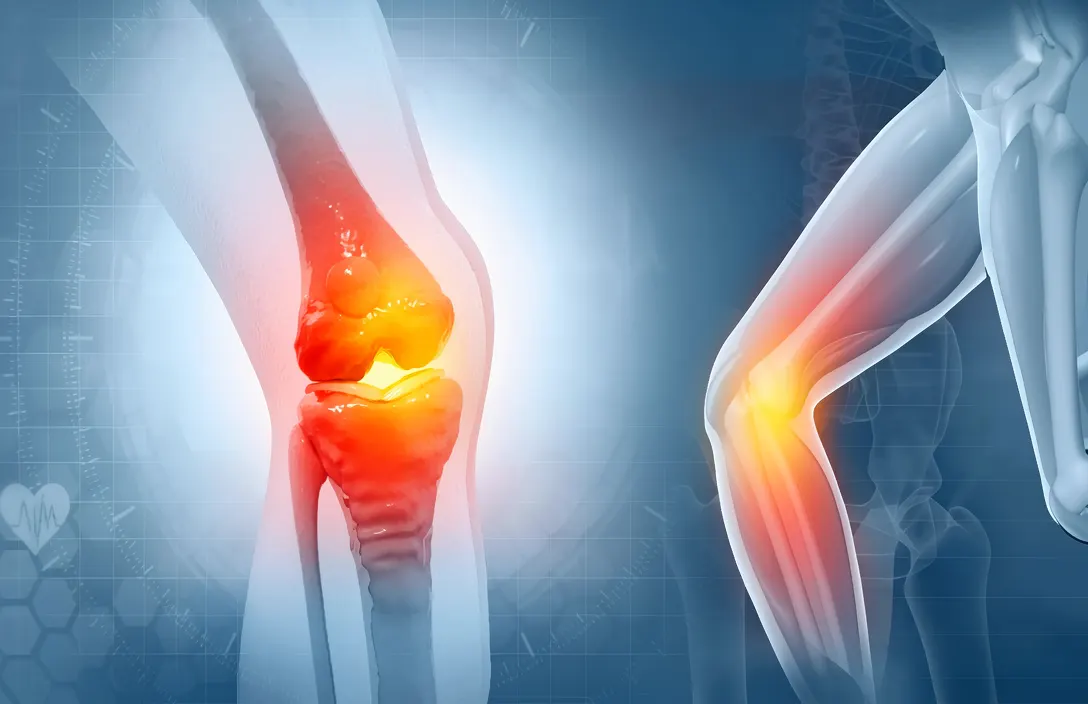

A clinical trial led by researchers at La Trobe University found that supervised exercise and education can improve knee health, reduce pain, and enhance quality of life in young adults recovering from anterior cruciate ligament (ACL) reconstruction (Source ID: 1). The study addressed the issue that about half of patients remain dissatisfied with their knee health two years after ACL surgery, and roughly half develop signs of early-onset knee osteoarthritis within a decade (Source ID: 1). [1]
The SUPER-Knee clinical trial evaluated the benefits of combining exercise therapy and education more than nine months after ACL reconstruction, a time when patients are generally expected to have recovered, yet many continue to experience problems (Source ID: 1). The researchers enrolled 184 adults between the ages of 18 and 40 who were still struggling with knee symptoms one to three years after their operations (Source ID: 1). [1]
Participants were assigned to either a progressive exercise therapy program or a comparison group that received a single educational session. The findings showed that participants who completed the four-month program under the guidance of a physical therapist experienced improvements in knee health and muscle strength, along with less pain and better quality of life (Source ID: 1). The results challenge the belief that physical activity necessarily makes injured knees worse (Source ID: 1). [1]
A clinical trial led by researchers at La Trobe University found that supervised exercise and education can improve knee health, reduce pain, and enhance quality of life in young adults recovering from anterior cruciate ligament (ACL) reconstruction (Source ID: 1). The SUPER-Knee clinical trial evaluated the benefits of combining exercise therapy and education more than nine months after ACL reconstruction, a time when patients are generally expected to have recovered, yet many continue to experience problems (Source ID: 1). [1]
Advertisement
The researchers enrolled 184 adults between the ages of 18 and 40 who were still struggling with knee symptoms one to three years after their operations. Participants were assigned to either a progressive exercise therapy program or a comparison group that received a single educational session. The findings, published in Annals of Internal Medicine, showed that participants who completed the four-month program under the guidance of a physical therapist experienced improvements in knee health and muscle strength, along with less pain and better quality of life (Source ID: 1). [1]
Importantly, these benefits came without evidence that the exercises were damaging knee cartilage or worsening early osteoarthritis. The results challenge the belief that physical activity necessarily makes injured knees worse (Source ID: 1). The SUPER-Knee clinical trial received funding through a Project Grant from Australia's National Health and Medical Research Council (NHMRC) (Source ID: 1). [1]
A clinical trial led by researchers at La Trobe University found that supervised exercise and education can improve knee health, reduce pain, and enhance quality of life in young adults recovering from anterior cruciate ligament (ACL) reconstruction (Source ID: 1). The SUPER-Knee clinical trial evaluated the benefits of combining exercise therapy and education more than nine months after ACL reconstruction, a time when patients are generally expected to have recovered, yet many continue to experience problems (Source ID: 1). [1]
The researchers enrolled 184 adults between the ages of 18 and 40 who were still struggling with knee symptoms one to three years after their operations. Participants were assigned to either a progressive exercise therapy program or a comparison group that received a single educational session (Source ID: 1). The findings, published in Annals of Internal Medicine, showed that participants who completed the four-month program under the guidance of a physical therapist experienced improvements in knee health and muscle strength, along with less pain and better quality of life (Source ID: 1). [1]
Advertisement
Importantly, these benefits came without evidence that the exercises were damaging knee cartilage or worsening early osteoarthritis. The results challenge the belief that physical activity necessarily makes injured knees worse (Source ID: 1). The SUPER-Knee trial received funding through a Project Grant from Australia's National Health and Medical Research Council (NHMRC) (Source ID: 1). [1]
A clinical trial led by researchers at La Trobe University found that supervised exercise and education can improve knee health, reduce pain, and enhance quality of life in young adults recovering from anterior cruciate ligament (ACL) reconstruction (Source ID: 1). The SUPER-Knee clinical trial evaluated the benefits of combining exercise therapy and education more than nine months after ACL reconstruction, a time when patients are generally expected to have recovered, yet many continue to experience problems (Source ID: 1). Participants were assigned to either a progressive exercise therapy program or a comparison group that received a single educational session. [1]
The researchers enrolled 184 adults between the ages of 18 and 40 who were still struggling with knee symptoms one to three years after their operations. Importantly, these benefits came without evidence that the exercises were damaging knee cartilage or worsening early osteoarthritis (Source ID: 1). The findings, published in Annals of Internal Medicine, showed that participants who completed the four-month program under the guidance of a physical therapist experienced improvements in knee health and muscle strength, along with less pain and better quality of life (Source ID: 1). [1]
The results challenge the belief that physical activity necessarily makes injured knees worse. Exercise Offers Hope Against Early Knee Osteoarthritis Associate Professor Adam Culvenor, who led the research, said the findings provide much-needed evidence about how to help younger patients who remain at risk of knee osteoarthritis following ACL surgery (Source ID: 1). The evidence generated by the SUPER-Knee trial can be used to update international clinical practice guidelines for rehabilitation following ACL reconstruction and could be a lifeline for young people struggling after serious knee injuries (Source ID: 1). [1]
Advertisement
The Cali Reporter newsletter
The stories worth your time.
California, the country, and what comes next. Join our free newsletter for reporting that keeps you informed.
More in Health & Medicine
- Brain Energy Mismatches in Schizophrenia
A new study explores the potential role of energy bottlenecks in brain cells in explaining fragmented experiences of time, space, and self in schizophrenia.
- Brazil Reports First Mpox Death in 2026
Brazil has recorded its first mpox-related death in 2026, but public health officials are not classifying the current surge in cases as an outbreak, according to the Fiocruz Institute.
- Personalized Therapies for IBD May Target Specific Harmful Gut Bacteria
A study led by Dr. Lukas Mager and Prof. Kathy McCoy has identified two gut bacteria that promote inflammation in inflammatory bowel disease, opening the door for personalized treatments.